Weekly Neuroscience Update

Crime films, action films, comedies, or documentaries? A person’s favourite film genre reveals a lot about how their brain works. This is the finding of a new study that compared data on film preferences with recordings of the brain activity of around 260 people.

Using functional magnetic resonance imaging (fMRI), neuroscientists have identified several regions of the brain that are responsible for processing language.

Certain regions of the brain show changes during the early stages after quitting drinking that may contribute to increased anxiety and relapse rates in people attempting recovery from alcohol use disorder, according to a recent study.

A research team has found evidence suggesting that minor brain injuries that occur early in life, may have health impacts later on.

Scientists have discovered a mutation in SARS-CoV-2, the virus that causes COVID-19, that plays a key role in its ability to infect the central nervous system. The findings may help scientists understand its neurological symptoms and the mystery of “long COVID,” and they could one day even lead to specific treatments to protect and clear the virus from the brain.

Scientists have identified how gene variations lead to brain changes associated with essential tremor, a common movement disorder affecting over 60 million people worldwide.

A new study reveals that non-cognitive skills like motivation and self-regulation are as crucial as intelligence in determining academic success. These skills, influenced by both genetics and environment, grow increasingly important throughout a child’s education.

Researchers have developed an innovative device that can diagnose glioblastoma, an aggressive brain cancer, in under an hour using a novel biochip.

A recent study investigates how the brain reacts to different types of love, ranging from parental to romantic, through sophisticated imaging methods. The findings indicate that the love for one’s children elicits the strongest brain response, particularly within the reward system.

Researchers have developed a system that detects genetic markers of autism in brain images with 89-95% accuracy, potentially enabling earlier diagnosis and treatment.

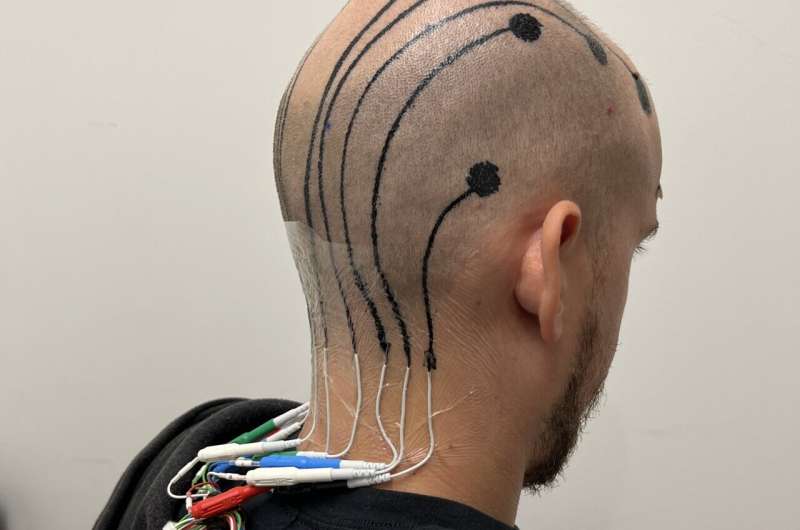
In a small pilot study, researchers used a new closed-loop system to measure the electrical brain patterns of individual patients and then stimulate those patterns with a weak electrical current, resulting in significantly improved symptoms of major depressive disorder.

A deeper understanding of the communication inside the body when someone is going through opioid withdrawal has led to a new clinical trial at the University of Calgary.

Researchers have developed a brain-inspired AI technique that utilizes neural networks to model the complex quantum states of molecules, which are essential for technologies such as solar panels and photocatalyst.

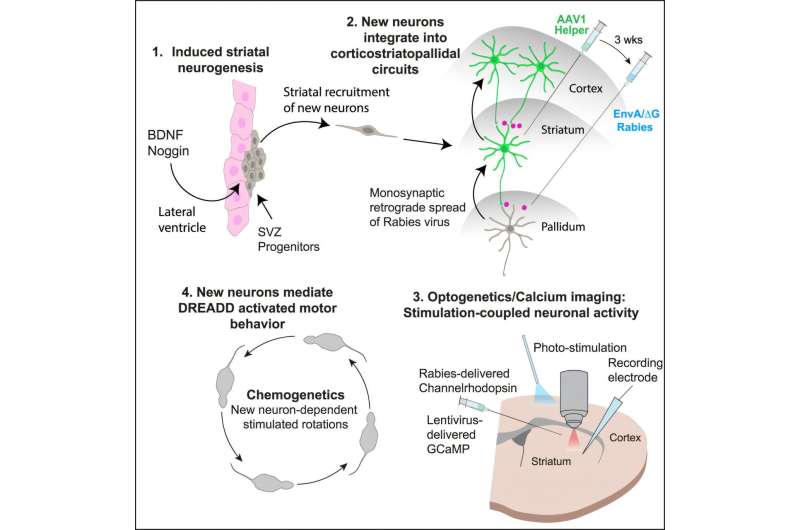
Finally this week, a new finding could open doors to new treatments for a range of psychiatric and neurological disorders attributed to dysfunctions in specific dopamine pathways.

Weekly Neuroscience Update

Credit: Frontiers in Human Neuroscience (2024)

Scientists have determined that more than 60% of people who contracted COVID-19 have neurological symptoms that impact their cognitive function and quality of life, even two and three years after COVID-19.

Lip-read words can be decoded from the brain’s auditory regions similarly to heard speech, according to a new report that looked at how vision supports verbal perception.

Exercising is healthy, but not always appealing. Now research may have found a “switch” that activates the desire to get moving, as it shows that during exercise the muscle activates proteins which encourage further activity. The paper is published in Science Advances.

Researchers have demonstrated that a simple blood test that reflects brain health can predict which people are most at risk of suffering a stroke.

Our brain interprets visual information by combining what we see with what we already know. A study published in the journal Neuron, reveals a mechanism for learning and storing this existing knowledge about the world.

A newly developed brain-computer interface translates brain signals into speech with up to 97% accuracy, making it the most precise system of its kind.

Researchers have discovered that spontaneous brain activity during early development drives neural wiring before sensory experiences shape the brain. This spontaneous activity in neurons strengthens connections, following Hebb’s rule, where “cells that fire together wire together.”

According to new research, cognitive impairments in psychotic disorders, such as schizophrenia and bipolar disorder, are linked to brain network organization. 

A recently published study has unveiled significant findings that could enhance brain-computer interface (BCI) technologies, marking a crucial step towards more intuitive neuroprosthetic control and advanced rehabilitation therapies.

Researchers have discovered that the hippocampus stores multiple copies of a single memory, each within different neuron groups that develop at different stages.

Scientists have developed a promising preventative therapeutic approach against Alzheimer’s disease, targeting the amyloid beta biomolecule that typically triggers nerve cell hyperactivity in the early stages of the brain disease.

A new study finds that COVID-19 proteins left in the brain may lower cortisol levels, leading to heightened inflammation and an exaggerated response to stressors.

Through a large-scale brain imaging study, an international research team has identified five patterns of age-related degeneration in older people experiencing mental decline. In their study, the team conducted the multi-year study of thousands of MRI scans using machine learning applications to find patterns in brain degeneration as people age.

A new machine learning model, AutMedAI, can predict autism in children under two with nearly 80% accuracy, offering a promising tool for early detection and intervention.

Researchers have discovered the neurons responsible for “item memory,” deepening our understanding of how the brain stores and retrieves the details of “what” happened and offering a new target for treating Alzheimer’s disease.

Contrary to previous research, a new study of female participants finds no link between migraine and the risk of developing Parkinson’s disease.

Children who have persistently raised inflammation are at a higher risk of experiencing serious mental health disorders including psychosis and depression in early adulthood, according to a study published today in JAMA Psychiatry.

Researchers have identified a link between brain overgrowth and the severity of social and communication symptoms in children with autism spectrum disorder. 

People with multiple sclerosis (MS) are far less likely than those without the condition to have the molecular hallmarks of Alzheimer’s disease, according to new research. The discovery suggests a new avenue of research through which to seek Alzheimer’s treatment.

Scientists have discovered a new method to regulate the receptors responsible for the sense of touch, potentially leading to more effective treatments for chronic pain.

Researchers have found that nondeceptive placebos—placebos given with the full knowledge that they are placebos—can effectively manage stress, even when administered remotely. In a two-week randomized controlled trial, participants experiencing prolonged stress were divided into two groups: one group received nondeceptive placebos, while the other served as a control.

Return to work two years after a breast cancer diagnosis is associated with higher cognitive speed performance before and after treatment, according to a study published in JAMA Network Open.

Researchers have discovered a mutation in the SARS-CoV-2 spike protein that enhances its ability to infect the central nervous system, potentially explaining neurological symptoms and long COVID. The mutation was found to allow the virus to better infiltrate the brain, with implications for future treatments targeting COVID-19’s effects on the brain. 

Finally, this week, while everyone knows that a good night’s sleep restores energy, a new study finds it resets another vital function: memory.

Weekly Neuroscience Update

Serotonin changes how people learn and respond to negative information

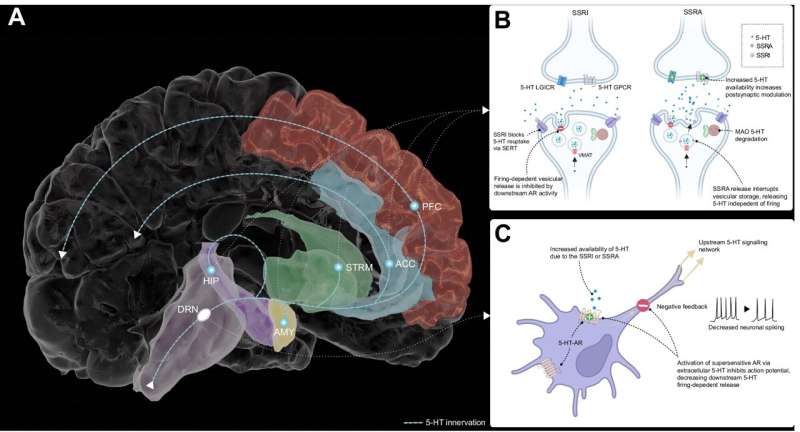
Selective serotonin releasing agent is not negated by 5-HT1A supersensitivity, resulting in a rapid onset of pro-serotonergic activity. Credit: Nature Communications (2024).

Increasing serotonin can change how people learn from negative information, as well as improving how they respond to it, according to a new study published in the journal Nature Communications.

A recent review outlines the genetic complexity of schizophrenia, highlighting nearly 300 common genetic variants and over 20 rare variants linked to the disorder. Researchers emphasize that schizophrenia’s genetic basis is multifaceted, involving multiple genes rather than a single cause. Environmental factors like lifestyle and stress also play crucial roles.

Researchers have conducted a study examining the impact of alcohol on the electrical conductivity of the brain, highlighting its sedative effects.

New research indicates that 20% of children with an older sibling diagnosed with autism are also likely to be diagnosed with autism spectrum disorder (ASD), with this rate increasing to 36% when there are multiple siblings with ASD.

A new study suggests that the risk of developing dementia in Parkinson’s disease patients may be lower or occur later than previously reported.

An international team of researchers has investigated the neural mechanisms underlying imitative behavior: a phenomenon that facilitates interaction and social cohesion and allows people to engage spontaneously with others. The study—published in Proceedings of the National Academy of Sciences (PNAS)—has uncovered new insights into how the brain regulates this behavior, opening up new perspectives for clinical and therapeutic applications.

Advanced MRI scans, particularly diffusion tensor imaging (DTI), have shown promise in predicting which concussion patients are at risk for long-term symptoms. 

A significant breakthrough in the understanding of sleep mechanism opens new promise for treating sleep disorders and associated neuropsychiatric conditions: Scientists have pinpointed the melatonin receptor MT1 as a crucial regulator of REM (Rapid Eye Movement) sleep.

Innovative new research has revealed that the activity of different versions of genes expressed in the brain is associated with the accumulation of the protein tau, which is a hallmark of Alzheimer’s disease.

Finally this week, western classical music can significantly affect brain activity, particularly in people with treatment-resistant depression. By measuring brainwaves and neural imaging, scientists discovered that music synchronizes neural oscillations between brain regions associated with sensory and emotional processing, enhancing mood.

Weekly Neuroscience Update

Mapping network connectivity to cycles of seizure likelihood. Credit: Nature Medicine (2024)

A team of epilepsy specialists has developed a method to forecast the risk of a seizure within 24 hours. The researchers demonstrated that the surge of brain activity indicative of a seizure is preceded by unusual communication among certain brain regions. By examining a mere 90 seconds of these atypical brain signals, the researchers were able to predict the likelihood of a seizure.

A significant discovery by Australian scientists has the potential to improve the effectiveness of drugs currently used to manage cognitive decline in patients with Alzheimer’s disease.

A new study reveals that quick learners of motor skills have distinct brain activity patterns. Using brain-monitoring electrodes, they found that visual processing plays a crucial role in learning new movements. Fast learners showed higher activity in brain regions linked to visual information and muscle movement planning. These findings highlight the importance of vision in acquiring motor skills and its implications for older adults.

Exercising our brains with daily habits like naps and memory workouts, instead of relying on smartphones, can reduce the risk of age-related dementia. 

Star-shaped glial cells, so-called astrocytes, are more than just a supporting cell of the brain. They are actively involved in learning processes and interact with nerve cells. Now scientists are using a biophysical model to clarify how astrocytes interact with nerve cells to regulate rapid adaptation to new information. The results of the study have now been published in Communications Biology.

New research shows that inflammation outside the brain, such as that caused by common infections such as colds and urine infections, is linked to the progression of multiple sclerosis (MS).

Recent advances in the study of proteomes (i.e., the entire range of proteins expressed by human cells and tissues) have opened new opportunities for identifying the biological markers of specific diseases or mental disorders. This could in turn inform the prevention, diagnosis and treatment of these medical conditions.

A new experimental cancer drug could ease cognitive difficulties for those with Rett syndrome, a rare autism-linked disorder, by enhancing brain cell functions. 

An MIT study published in Nature provides new evidence for how specific cells and circuits become vulnerable in Alzheimer’s disease, and hones in on other factors that may help some people show resilience to cognitive decline, even amid clear signs of disease pathology.

Neuroscientists have discovered the brain circuitry of placebo effect for pain relief.

A new study demonstrates how the external representation of physiological signals (interoception) can affect our perception of them and teach us how to improve them in order to balance the body in stressful situations, for example. The study was recently published in the journal Scientific Reports.

An interdisciplinary team of scientists has found differences between male and female brain structure in areas associated with decision-making, memory processing and handling emotions.

A new study proposes a novel approach to studying consciousness through behavioural observations and learning curves, highlighting that learning often occurs in sudden leaps, suggesting these “eureka moments” are preceded by conscious cognitive processes.

Finally this week, there is a potential connection between a diagnosis of certain gastrointestinal (GI) syndromes and the formation and rupture of intracranial (brain) aneurysms according to new research.

Weekly Neuroscience Update

Massively parallel characterization and prediction of gene regulatory activity in the developing brain. Credit: Science (2024).

Scientists have leveraged machine learning to decode gene regulation in the developing human brain.

A new study has unveiled the most detailed view of the complex biological mechanisms underlying autism, showing the first link between genetic risk of the disorder to observed cellular and genetic activity across different layers of the brain.

Researchers have identified the unique features of an exceptionally rare set of childhood brain tumors—a discovery that could pave the way for more effective treatments.

Scientists have found that a new class of light-sensitive proteins are capable of turning off brain cells with light, offering scientists an unprecedentedly effective tool to investigate brain function. The study, published in Nature Communications, opens exciting new opportunities to apply optogenetics to investigate the brain activity underlying neurodegenerative and psychiatric disorders such as Parkinson’s disease and depression.

A new study suggests that increased nightmares and hallucinations can signal the onset of autoimmune diseases like lupus.

Researchers are investigating the connection between gut bacteria and Alzheimer’s disease. They believe harmful metabolites from bad bacteria can travel to the brain, causing inflammation and potentially triggering dementia.

Nostalgic music activates brain areas linked to memory, reward, and self-processing. This discovery could help improve the quality of life for those with dementia.

A new study finds widespread differences in brain development between autistic boys and girls ages 2-13. The study found that girls have a thicker cortex at age 3 and faster cortical thinning into middle childhood compared to boys.

A research team has made a major stride in using AI to replicate how the brain organizes sensory information to make sense of the world, opening up new frontiers for virtual neuroscience.

Researchers who have studied how dehydration affects cognitive performance found that even mild dehydration can diminish a person’s ability to pay attention to tasks over time. The findings underscore the importance of proper hydration to the healthy functioning of people as they age.

By exploring the effects of sport on memory, scientists have discovered compensatory mechanisms in the brains of young individuals at genetic risk of developing Alzheimer’s disease.

A new 3D model shows how implantable stimulators—the kind used to treat chronic pain—can target neurons that control specific muscles to provide rehabilitation for people with neurological disorders such as stroke and spinal cord injuries.

A new study published in the journal Brain has identified a specific brain network hub that plays a key role in stuttering.

Regular high caffeine consumption affects dopamine function in patients with Parkinson’s disease, shows a new international study. Caffeine consumption before undergoing diagnostic brain dopamine imaging may also affect the imaging results. The research results were published in the Annals of Neurology.

Finally this week new research shows aging reduces sensitivity and discriminative ability for heat pain, but not pressure pain. 

Weekly Neuroscience Update

Credit: Nature Neuroscience(2024).

Researchers at University of Cambridge and other institutes worldwide recently carried out a study that linked gene expression in healthy brains to the imaging, transcriptomics and genetics of autism spectrum disorder and schizophrenia. Their paper, published in Nature Neuroscience, unveiled three distinct spatial patterns of cortical gene expression each with specific associations to autism and schizophrenia

A study published in the Journal of the American College of Cardiology suggests that physical activity may reduce cardiovascular disease risk by lowering stress-related brain activity.

A team of researchers at Baylor College of Medicine and Yale University incorporated generative artificial intelligence (AI) to create a foundational model for brain activity. The Brain Language Model (BrainLM) was developed to model the brain in silico and to determine how brain activities are related to human behavior and brain diseases.

Using MRI, engineers have found a way to detect light deep in the brain.

Stressful life events, such as the death of a loved one or divorce, put a person at greater risk of developing dementia in later life, a recent study has found. But only if the stressful event happened in childhood or midlife.

Our brains process odours differently depending on the names assigned to them, according to new research. 

People with neurological disease have a greater chance of death after contracting COVID-19, according to a new study. The research also confirms a higher risk of developing new neurological disorders after COVID infection.

Children who experience chronic lack of sleep from infancy may be at increased risk of developing psychosis in early adulthood, new research shows. 

A team of brain specialists at the California Institute of Technology has developed a brain–computer interface approach to decode words “spoken” entirely in the brain by recording signals from individual neurons in real time.

A new study shows that the cerebellum is involved in processing emotions, with implications for ataxia care.

A research team has revealed the link between the frequency of sleep apnea events during the rapid-eye-movement stage and the severity of verbal memory impairment in older adults at risk for Alzheimer’s disease. Verbal memory refers to the cognitive ability to retain and recall information presented through spoken words or written text and is particularly vulnerable to Alzheimer’s.

Results from a recent neuroplasticity study show how singing rehabilitates speech production in post-stroke aphasia.

For the first time, researchers have succeeded in explaining the propagation of traveling waves of activity in the human brain using a computer simulation. Previous studies indicate that these waves are important for various cognitive functions such as memory.

A new publication in Scientific Reports unveils a promising non-opioid pain treatment.

Repeated blows to the heads of football players can damage the small blood vessels of the brain, according to research by scientists who believe this damage may contribute to brain dysfunction in some athletes years after play has ended.

New research has shed light in the complex interplay between cell proteins, and how they impact on neurons in neurodevelopmental disorders and Alzheimer’s disease.

Artificial intelligence (AI) computer programs that process MRI results show differences in how the brains of men and women are organized at a cellular level, a new study shows. These variations were spotted in white matter, tissue primarily located in the human brain’s innermost layer, which fosters communication between regions.

Finally, this week, climate change, and its effects on weather patterns and adverse weather events is likely to negatively affect the health of people with brain conditions.

Weekly Neuroscience Update

Vertex-wise comparisons between ADHD (N = 60) and controls (N = 23), and between ADHD responders (N = 42) and non-responders (N = 18). Credit: Nature Mental Health (2024).

New research has found that the effectiveness of ADHD medication may be associated with an individual’s neuroanatomy.

Although there are still some aspects pending confirmation for its use in the clinical setting, and its resolution needs to be improved slightly, a new study has shown that a method routinely used to carry out ophthalmological tests can also be used to monitor the neurodegeneration that occurs in Parkinson’s patients.

Scientists have uncovered a mechanism in the brain that allows cocaine and morphine to take over natural reward processing systems.

New research has identified a specific pattern of autoantibodies in the blood that precedes the clinical onset of multiple sclerosis (MS), potentially paving the way for early diagnosis and treatment. Their study found that 10% of MS patients displayed a unique set of autoantibodies against both human proteins and common pathogens like the Epstein-Barr Virus years before showing symptoms.

Researchers have identified a promising new approach to treating persistent neurological symptoms associated with Lyme disease.

A new study investigates why everyday actions like locking a door are often forgotten. The study revealed that while emotionally charged or unique events are initially memorable, even these can fade within 24 hours, particularly positive experiences. This research provides insight into the selective nature of memory and suggests that our brains prioritize and even forget information to manage cognitive load.

Managing a stroke patient’s blood sugar levels after they receive powerful clot-busting drugs might help them survive their health crisis, a new trial finds.

Researchers have created a thin film that combines an electrode grid and LEDs that can both track and produce a visual representation of the brain’s activity in real time during surgery. The device is designed to provide neurosurgeons with visual information about a patient’s brain to monitor brain states during surgical interventions to remove brain lesions including tumors and epileptic tissue.

A new study identifies a new metric for diagnosing autism.

New research has found a significant association between participating in low to moderate intensity exercise and reduced rates of depression.  However, this was not strongly observed for high-intensity exercise. Physical activity was also significantly associated with reduced risk of severe mental health conditions, including a reduction in psychosis/schizophrenia by 27%.

An international collaborative research team has discovered a novel mechanism underlying memory involving rapid changes in a specific DNA structure.

People who take acid-reducing drugs may have a higher risk of migraine and other severe headache than people who do not take these medications, according to a study published in the online issue of Neurology Clinical Practice. 

Finally this week, new research has highlighted the profound link between dietary choices and brain health.

Weekly Neuroscience Update

Eye movements associated with blinks and their consequences on luminance transients. (A) Distributions of blink-induced gaze displacements. Data represent the offsets in horizontal (top) and vertical eye position (bottom) between the times at which the eyelid starts moving and its return to normal opening. (B) Contributions of eye movements to the strength of the luminance modulations caused by blinks. Credit: Proceedings of the National Academy of Sciences

Scientists at the University of Rochester, in the U.S., have found that eye blinking does more than simply wet the eyes—it also helps to keep vision sharp by maintaining the strength of visual signals.

A new study investigates the brain’s mechanisms behind deep focus. The research employs fMRI to explore low-frequency fluctuations in brain networks during focused and less-focused states. The team discovered that certain brain networks synchronize and desynchronize, affecting an individual’s ability to maintain attention. This insight into the dynamic nature of brain activity could lead to better strategies for enhancing focus and attention in various cognitive tasks.

New research indicates that physical activity lowers cardiovascular disease risk in part by reducing stress-related signaling in the brain.

Researchers released new findings on how sex and gender influence cognitive abilities. The research found that while spatial cognition correlates more with biological factors such as sex at birth and hormones, verbal cognition is more influenced by sociocultural factors like gender identity.

Scientists have published a study in Neuron that identified two types of interneurons, the inhibitory neurons of the brain, as instructors of a key developmental process in the brain.

A new study involving jazz guitarists has explored the brain processes that enable creative flow. The research reveals that achieving flow requires a solid foundation of expertise, after which one must learn to relax conscious control to allow creativity to flourish.

Researchers have developed a groundbreaking approach using Diffusion MRI to explore the brain structures of individuals with autism spectrum disorder (ASD).

A new study emphasizes the importance of brain rhythms in understanding cognition. The research explores how rhythmic electrical fields, generated by neurons, influence and align neighboring neurons, enhancing cognitive function.

The harder your brain works at your job, the less likely you may be to have memory and thinking problems later in life, according to a new study published in Neurology.

Researchers have shed light on how individuals with treatment-resistant depression (TRD) process emotions differently due to abnormalities in the amygdala and prefrontal cortex. By using stereotactic electroencephalography (sEEG), they were able to observe how these brain regions react to positive and negative stimuli, revealing a significant imbalance in emotional processing.

A new study offers new insight into the development of the human forebrain.

Researchers have linked a region in the brain to how humans redirect thoughts and attention when distracted. The connection is important because it offers insights into the cognitive and behavioral side effects of a technique being used to treat patients with Parkinson’s disease.

Finally this week, some people with tough-to-treat epilepsy might benefit if doctors target a brain region newly linked to the disorder, a new study suggests.

Weekly Neuroscience Update

To the left of the figure, the red-yellow color denotes the regions that degenerate earlier than the rest of the brain, and are vulnerable to Alzheimer’s disease. These brain areas are higher-order regions that process and combine information coming from our different senses. To the right of the figure, each dot represents the brain data from one UK Biobank participant. The overall curve shows that, in these particularly fragile regions of the brain, there is accelerated degeneration with age. Credit: G. Douaud and J. Manuello.

In a new study published in Nature Communications, researchers investigated the genetic and modifiable influences on fragile brain regions by looking at the brain scans of 40,000 UK Biobank participants aged over 45.

Scientists have shown for the first time that a type of thinking that has been described for over a century as a developmental milestone of adolescence may grow teenagers’ brains over time.

A team of neurologists, stem cell specialists and molecular biologists affiliated with several institutions in the U.S. and led by a group at Stanford University School of Medicine has found evidence that the root cause of Alzheimer’s disease may be fat buildup in brain cells. The study is published in the journal Nature.

New research highlights the critical role of unique gut bacteria in newborns, producing serotonin to educate immune cells and prevent allergic reactions early in life.

People continuously exposed to bright, artificial light at night may be at increased risk of developing conditions that affect blood flow to the brain and having a stroke, according to research published in Stroke.

Researchers reveal new findings on the complexity of age-related memory decline and neural dedifferentiation, challenging existing theories on cognitive aging.

A new study has found that amyotrophic lateral sclerosis (ALS) and frontotemporal lobar degeneration (FTLD) exhibit strikingly similar cellular and molecular characteristics, despite affecting different brain regions and showing distinct clinical symptoms.

New research reveals how the human brain processes vital signals from the heart and lungs, offering new insights into the complex brain-body integration essential for health and cognition.

In a new study, AI processed text from health histories and neurologic examinations to locate lesions in the brain. The study, which looked specifically at the large language model called generative pre-trained transformer 4 (GPT-4), is published in the online issue of Neurology Clinical Practice.

New research shows that disturbed gut flora during the first years of life is associated with diagnoses such as autism and ADHD later in life.

Bilingualism may serve as a powerful tool against age-related cognitive decline, particularly in social cognition areas such as the theory of mind. A new study demonstrates that early bilingualism leads to beneficial structural changes in the brain, including increased gray matter volume and cortical thickness, which contribute to a stronger cognitive reserve.

In a study published in Nature Mental Health, scientists have found that individuals suffering from chronic musculoskeletal pain (CMP) may face a higher risk of brain aging.

A new analysis involving over 13,000 people has found changes to blood vessels in the brain that can increase the risk of stroke and dementia are common in people with a range of heart conditions, regardless of whether they have experienced a stroke.

A Canadian-led study has identified genes that may be partially responsible for the development of cerebral palsy.

Researchers have introduced a new, refined method for analyzing brain signals, enhancing our understanding of brain functionality. This research has the potential to improve treatments for neurological conditions such as Parkinson’s disease, pain, epilepsy and depression.

A study reveals that Lewy body disease, a major neurodegenerative disorder, may start developing in individuals as early as middle age, well before symptoms manifest.

Researchers have shown that the brain chemical GABA regulates activity in the retina of the eye in autistic and non-autistic individuals differently. Autistic people have larger responses to single light flashes in the retina of the eye and this new study shows that increasing GABA activity can reduce this response.

Finally this week, a study by the University of Sheffield has cast doubt on the efficacy of non-invasive brain stimulation techniques in improving visual working memory.

Weekly Neuroscience Update

Synergetic framework. Credit: Trends in Cognitive Sciences

A new model for understanding the brain paves the way for more accurate diagnoses and treatments.

For people with drug-resistant epilepsy, having a dog companion trained in detecting seizures and other epilepsy-related tasks may reduce the amount of seizures they have, according to new research published in Neurology

New research shows that continued cocaine use disrupts communication between major brain networks.

Researchers are embarking on a pioneering study to uncover how genes associated with autism spectrum disorders (ASD) converge to affect brain neurons, particularly leading to heightened sound sensitivity. This research aims to identify common neural circuit mechanisms that may underlie the diverse genetic pathways contributing to ASD, focusing on auditory hypersensitivity, a condition that significantly impacts individuals’ lives.

Two new studies explore how closely attention and eye movements are linked and reveal how the brain coordinates the two processes.

A pioneering new study using virtual reality (VR) aims to identify early signs of Alzheimer’s disease through impaired spatial navigation in asymptomatic adults at risk. By testing 100 middle-aged adults with genetic, familial, or lifestyle risk factors for Alzheimer’s, the study discovered that spatial navigation difficulties in VR environments precede traditional cognitive decline symptoms. Notably, this impairment was more pronounced in men than women, suggesting a gender-specific vulnerability

Mounting research shows that COVID-19 leaves its mark on the brain, including significant drops in IQ scores.

A daily fiber supplement improved brain function in people over 60 in just 12 weeks. The study, published recently in Nature Communications showed that this simple and cheap addition to diet can improve performance in memory tests associated with early signs of Alzheimer’s disease.

A new study has found mutations in key brain cells among individuals with chronic opioid use that could shift how we think about treatment strategies for opioid use disorder.

According to a Mayo Clinic study published in Nature Neuroscience, the cells that act as the central nervous system’s first line of defense against harm also play a role in helping the brain awaken from anesthesia. This discovery could help pave the way for innovative methods that address post-anesthesia complications.

Scientists have trained a bank of AI models to identify patterns of brain activity that signal memory formation.

People who experience sleep apnea may be more likely to also have memory or thinking problems, according to a preliminary study that will be presented at the American Academy of Neurology’s 76th Annual Meeting taking place April 13–18, 2024.

Schizophrenia is associated with an increased risk of subsequent cardiovascular disease events, with the association stronger in women, according to a new study.

New research delves into the genetic underpinnings of language development in early childhood and its implications for later cognitive abilities and neurodevelopmental disorders such as Attention-Deficit/Hyperactivity Disorder (ADHD) and Autism Spectrum Disorder (ASD). Interestingly, the research highlights a developmental shift in the genetic associations with ADHD symptoms, suggesting that the role of genetics in language development and its impact on neurodevelopmental outcomes is complex and changes over time. This study underscores the importance of understanding the early linguistic journey as a window into a child’s future mental health and cognitive prowess.

Finally this week, a new neuroimaging study is the first to reveal how the brain gets to the creative flow state.