Weekly Neuroscience Update

Mapped is the proportion of participants with a high rate of atrophy in cortical (left) and subcortical (right) areas. AD, Alzheimer’s disease; MCI, mild cognitive impairment. Credit: Alzheimer’s & Dementia (2024).

The way in which brains shrink in those who develop Alzheimer’s disease follows no specific or uniform pattern, finds a new study by researchers at UCL and Radboud University in the Netherlands.

A McGill University study has shown that hearing plays a crucial role in how people coordinate and control speech movements in real-time. Published in The Journal of the Acoustical Society of America, the research shows that when people cannot hear their own speech, even briefly, their ability to move their jaw and tongue in a coordinated manner is impaired.

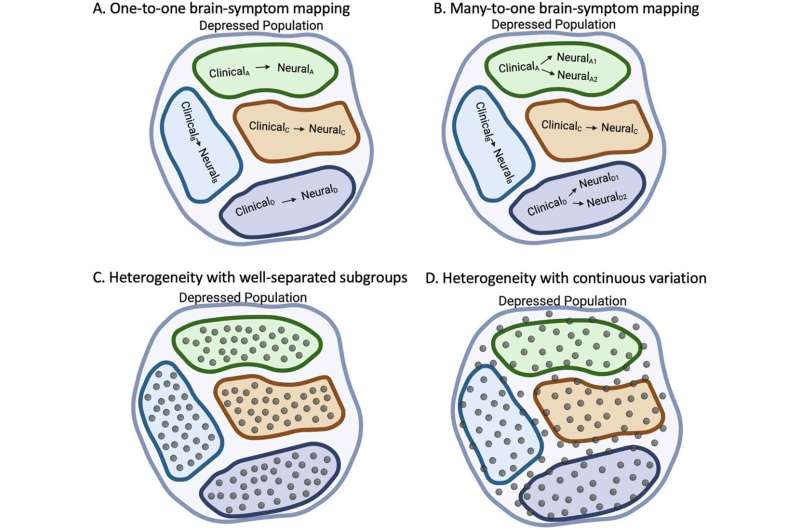
Recent research offers novel insights about the biological mechanisms behind major depressive disorder and especially on the role of the immune system.

A new analysis from Imperial’s human challenge study of COVID-19 has revealed subtle differences in the memory and cognition scores of healthy volunteers infected with SARS-CoV-2, which lasted up to a year after infection. The findings, published in the journal eClinicalMedicine, show a small but measurable difference following highly intensive cognitive testing of 18 healthy young people with infection compared to those who did not become infected, monitored under controlled clinical conditions

A simple scoring system may help doctors predict which patients will likely become seizure-free after minimally invasive epilepsy surgery.

The European Commission has released the 10-year assessment of the Human Brain Project (HBP), an EU-Flagship initiative that concluded in 2023. The report highlights that the HBP made major contributions and had a transformative impact on brain research. One of the main outcomes of the HBP is EBRAINS, the open research infrastructure that continues to push neuroscience research forward.

A new, large study from France underscores the link between adult hearing loss and dementia. In addition, hearing loss is linked to loss of volume in critical areas of the brain.

Scientists are investigating the extraordinary longevity of neurons, which can survive for over 90 years, in a new research project. The findings could not only improve understanding of neural aging but also lead to treatments for neurodegenerative diseases like Parkinson’s and ALS. The research could potentially expand beyond neurons, offering insights into extending the health span of other cell types.

Bright light therapy is an effective adjunctive treatment for nonseasonal depressive disorder, according to a review published in JAMA Psychiatry.

A recent study has shown that conscious thought relies on synchronized brain rhythms to maintain communication between sensory and cognitive brain regions. Under general anesthesia, this rhythm-based communication breaks down, disrupting the brain’s ability to detect and process surprising stimuli.

A new trial reveals that weekly injections of the weight-loss drug Wegovy (semaglutide) lowered the risk of death from COVID-19 by about a third and reduced overall mortality by 19%.

In a breakthrough study, researchers have imaged a network of pathways in the human brain believed to clear waste proteins that can lead to Alzheimer’s and dementia. Using advanced MRI techniques, they revealed perivascular channels that guide cerebrospinal fluid through the brain, providing strong evidence of the glymphatic system’s role in waste removal.

New research has discovered that disruptions in the brain’s salience network, often tied to tau protein buildup, correlate strongly with behavioural changes in people with early-stage dementia.

A research team has published a comprehensive review on the application of brain network models (BNMs) in the medical field. This study summarizes recent advances and challenges in using BNMs to simulate brain activities, understand neuropathological mechanisms, evaluate therapeutic effects, and predict disease progression.

New research reveals that immune responses play a crucial role in the formation of Lewy bodies, protein aggregates that mark Parkinson’s disease and other neurological conditions. 

A new study has found microplastics in human brains for the first time, raising concerns about the potential health impact. Researchers analyzed samples from autopsies and discovered an accumulation of plastic particles in brain tissue, likely due to exposure through food, water, and air. Although the study is still in its preliminary stages, it highlights the need for further investigation into the effects of microplastics on brain health. While microplastics have been shown to cause inflammation and damage in laboratory experiments, their long-term impact on human health remains unclear.

Finally this week, researchers are working on a novel gene therapy that holds potential in treating patients with epilepsy.

Weekly Neuroscience Update

Microscopic photos observed through changes of the flourescence of the synapse sensor (SynapShot) by cultivating the neurons of an experimental rat and expressing the SynapShot. The changes in the synapse that is created when the pre- and post-synaptic terminals come into contact and the synapse that disappears after a certain period of time are measured by the fluorescence of the SynapShot. Credit: KAIST Optogenetics & RNA therapeutics Lab

New research has observed the processes of memory and cognition in real-time.

A new study reveals significant findings in the fight against Long Covid. Through a comprehensive analysis of blood serum from 113 patients, researchers discovered changes in blood serum proteins related to the complement system, coagulation, and tissue injury in Long Covid patients.

New research has found that exercising both before and after learning optimizes memory formation, with a notable 10% improvement in remembering motor skills.

A new study employs generative AI to shed light on how the human brain processes memories for learning, imagination, and planning. The study used a computational model resembling the hippocampus and neocortex’s neural networks to simulate memory encoding and retrieval.

A new study has reported that SARS-CoV-2, the virus that causes COVID, can infect dopamine neurons in the brain and trigger senescence—when a cell loses the ability to grow and divide.

Researchers have taken the first steps to treat Alzheimer’s disease, Parkinson’s disease and Type 2 diabetes by creating multiple patent-pending compounds shown to inhibit protein aggregation associated with those diseases.

A neuroscientific study is paving the way for improving the diagnosis and treatment of Alzheimer’s.

A new study reveals limitations in the current use of mathematical models for personalized medicine, particularly in schizophrenia treatment. Although these models can predict patient outcomes in specific clinical trials, they fail when applied to different trials, challenging the reliability of AI-driven algorithms in diverse settings.

Research into the nature of memory reveals how cells that store information are stabilized over time.

A new study explores how infants and toddlers acquire language. Findings reveal early comprehension begins around 6-7 months, and significant improvements in language understanding occur around a child’s first birthday.

New research looks at ways to predict when a migraine attack will occur.

Researchers at the National Institutes of Health have found overactivation in many brain regions, including the frontal and parietal lobes and the amygdala, in unmedicated children with anxiety disorders. They also showed that treatment with cognitive behavioral therapy (CBT) led to improvements in clinical symptoms and brain functioning.

An international research has proposed a new model for classifying Parkinson’s disease.

A ribbon of brain tissue called cortical gray matter grows thinner in people who go on to develop dementia, and this appears to be an accurate biomarker of the disease five to 10 years before symptoms appear, scientists report.

3D bioprinting sheds light on why blood vessel curvature may foster brain cancer metastasis.

Researchers achieved a significant advancement in robotics by replicating human-like variable speed walking using a musculoskeletal model. This model, steered by a reflex control method akin to the human nervous system, enhances our understanding of human locomotion and sets new standards for robotic technology.

There is a difference between how the brains of healthy older adults perceive color compared to younger adults, finds a new study.

Researchers conducted a study to explore the neuroscientific basis of fairness in social situations, investigating the interplay between personal interests and societal norms. By applying electric brain stimulation to 60 participants, the researchers pinpointed specific brain regions crucial to fairness decisions.

Finally this week, scientists have made a significant discovery using an artificial neural network model, suggesting that musical instinct may emerge naturally from the human brain.

Weekly Neuroscience Update

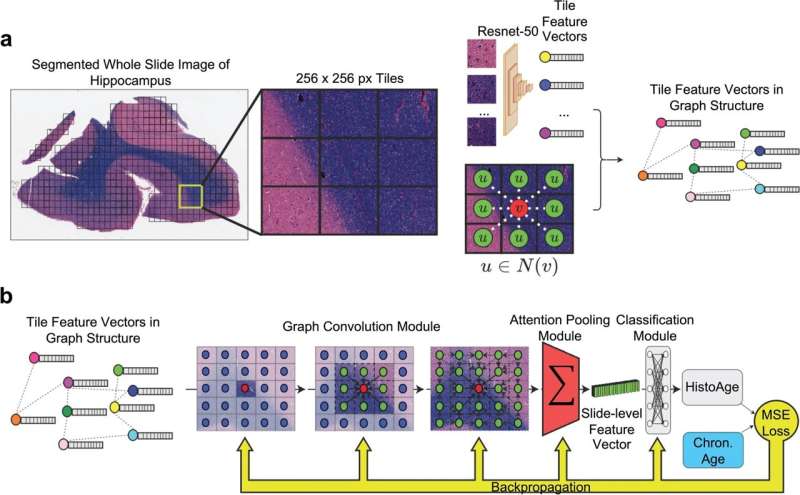
Schematic of preprocessing and model training

Researchers have, for the first time ever, used AI to develop an algorithm they term “HistoAge” which predicts age at death based on the cellular composition of human brain tissue specimens with an average accuracy of within 5.45 years. This powerful tool can also identify neuroanatomical regions vulnerable to age-related changes, an indicator of potential cognitive diseases.

Scientists have uncovered why night shift work is associated with changes in appetite. The findings could help the millions of people who work through the night and struggle with weight gain.

The brain circuitry disrupted in Alzheimer’s disease appears to influence memory through a type of brain wave known as theta oscillation, a team of researchers report. The findings, published in Nature Communications, could help researchers design and evaluate new treatments for Alzheimer’s, a condition that affects millions of people around the globe and has no cure.

A new study suggests that a healthy heart may help prevent Alzheimer’s—and this gives hope for new treatments.

Researchers have shown the potential of a new gene therapy approach to silence human sensory neurons (nerve cells) as a means of treating persistent pain. Many current drugs for chronic pain are highly addictive, which makes it important to discover new alternatives.

Scientists have developed new tools, based on AI language models, that can characterize subtle signatures in the speech of patients diagnosed with schizophrenia.

Can plant-derived nutrients alter gut bacteria to affect brain function? A team of scientists investigated this question in a study of overweight adults. Their findings, published in the journal Gut, suggest that dietary fiber can exert influence on both the composition of gut bacteria and the reward signals in the brain and associated food decision-making.

New guidance has been issued for clinicians on the determination of brain death, also known as death by neurologic criteria

Researchers have shown it is possible to detect tell-tale signs of Parkinson’s disease 20–30 years before symptoms appear. Their work opens the door to screening programs and preventative treatments long before irreversible damage is done.

Finally this week, there is evidence that some form of conscious experience is present by birth, and perhaps even in late pregnancy, an international team of researchers has found.

Weekly Neuroscience Update

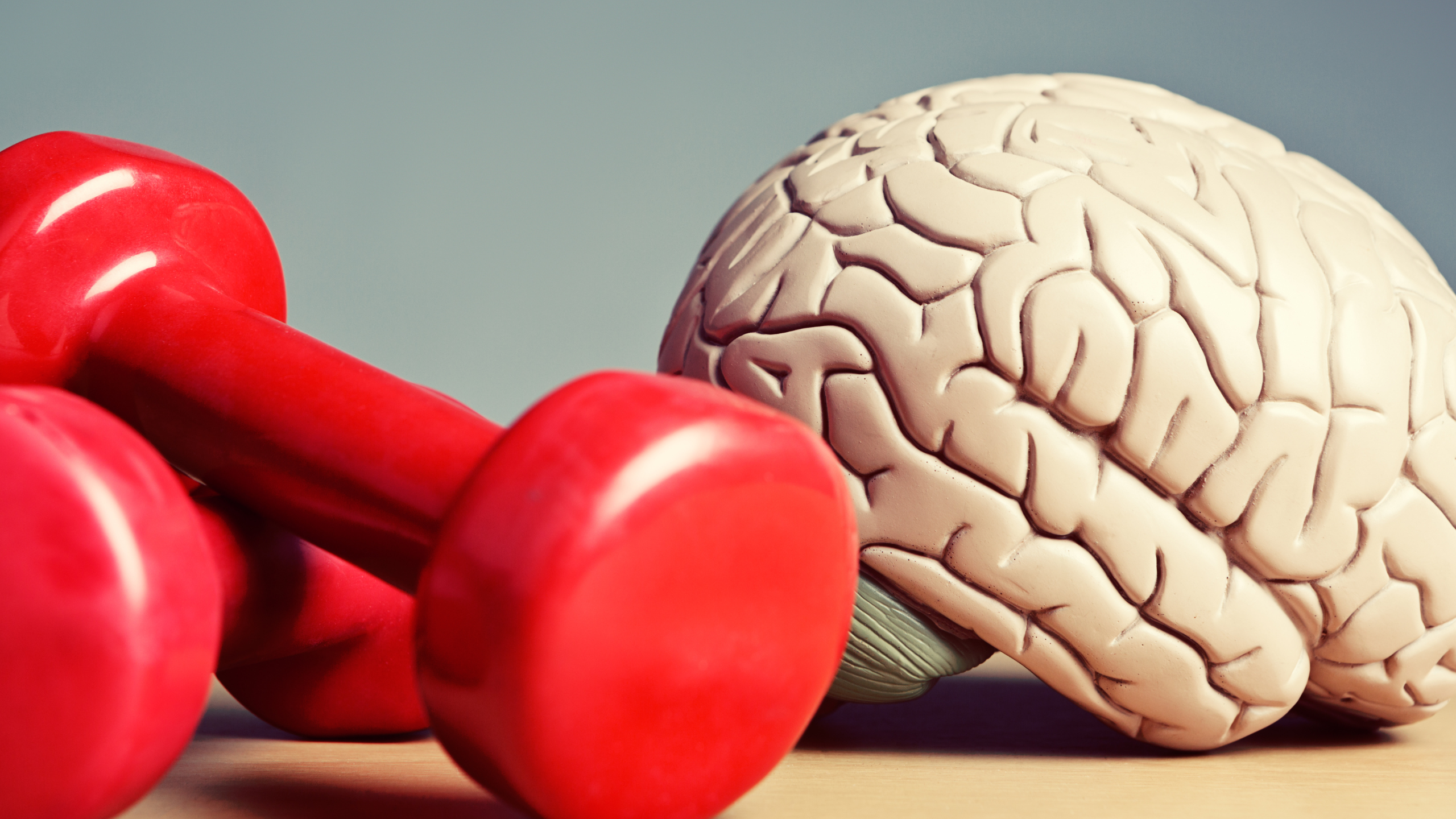
Exercise can improve your cognitive and mental health — but not all forms and intensities of exercise affect the brain equally. The effects of exercise are much more nuanced, as specific intensities of exercise over a long period of time are associated with different aspects of memory and mental health, according to a new study.

A research team has shown for the first time that non-invasive stimulation of the vagus nerve at the ear can strengthen the communication between stomach and brain within minutes.

A mutation in a newly discovered small protein is connected to a significant increase in the risk for Alzheimer’s disease, expanding the known gene targets for the disease and presenting a new potential avenue for treatment, according to a new study.

A new report highlights the advances and challenges in prevention, clinical care, and research in traumatic brain injury, a leading cause of injury-related death and disability worldwide.

Neurons in an area of the brain responsible for memory (known as the entorhinal cortex) are significantly larger in SuperAgers compared to cognitively average peers, individuals with early-stage Alzheimer’s disease, and even individuals 20 to 30 years younger than SuperAgers — who are aged 80 years and older, reports a new study.

Children who were infected with COVID-19 show a substantially higher risk of developing type 1 diabetes (T1D), according to new research.

Researchers have discovered a biological mechanism that increases the strength with which fear memories are stored in the brain. The study provides new knowledge on the mechanisms behind anxiety-related disorders, and identifies shared mechanisms behind anxiety and alcohol dependence.

Finally this week, a new study demonstrates how an AI algorithm can estimate biological age with high accuracy based on brain scan images.

Weekly Neuroscience Update

Researchers have presented new findings which found after one session of aerobic exercise people showed reduced cravings for alcohol, lower levels of stress, and improvements in mood.

When our eyes move during REM sleep, we’re gazing at things in the dream world our brains have created, according to a new study. The findings shed light not only into how we dream, but also into how our imaginations work.

Measuring how the eyes’ pupils change in response to light—known as the pupillary light reflex—could potentially be used to screen for autism in young children, according to a new study.

Researchers have made an important discovery about the way our brains process the sensations of sound and touch. They found that sensory systems in the brain are closely interconnected, with regions that respond to touch also involved when we listen to specific sounds connected to touching certain objects.

A study into the effect of surprise on our memory has inadvertently discovered a method that might help us to perform better in exams.

Scientists have uncovered how dopamine connects subregions of the striatum essential for habit formation, findings that may change the overall understanding of how habits are formed—and could be broken.

New research finds the brains of people playing online video games synchronize, even when there is a physical distance between the players.

By estimating people’s brain age from MRI scans using machine learning, a team of researchers has identified multiple risk factors for a prematurely aging brain. They found that worse cardiovascular health at age 36 predicted a higher brain age later in life, while men also tended to have older brains than women of the same age, as they report in The Lancet Healthy Longevity.

Young people with 22q11.2 Deletion Syndrome have distinct and marked EEG differences in brain activity during sleep, which could influence psychiatric symptoms.

Tight control of blood sugar in teens with Type 1 diabetes may help reduce the disease’s damaging effects on the brain, effects which have been shown even in younger children, according to a study published in Nature Communications.

Tests of the brain’s electrical activity have revealed fentanyl’s effects over time and indicated that the drug stops people’s breathing before other noticeable changes and before they lose consciousness.

A newly developed artificial intelligence model can detect Parkinson’s disease by reading a person’s breathing patterns. The algorithm can also discern the severity of Parkinson’s disease and track progression over time.

A new study reveals how a molecule produced by astrocytes interferes with normal neuron development in a range of neurodevelopmental disorders.

People with an obsessive urge to constantly check the news are more likely to suffer from stress, anxiety, as well as physical ill health, finds a new study published in the peer-reviewed journal Health Communication.

Finally this week, the impact of breathing diesel exhaust fumes may be more severe for females than males, according to new research.

Weekly Neuroscience Update

For the first time, a team of international scientists has studied the development of the main immune cell population residing in the human brain, called microglia, on human tissue.

Scientists have uncovered a molecular pathway that distills threatening sights, sounds and smells into a single message: Be afraid. A molecule called CGRP enables neurons in two separate areas of the brain to bundle threatening sensory cues into a unified signal, tag it as negative and convey it to the amygdala, which translates the signal into fear. The research, published in Cell Reports on August 16, 2022, may lead to new therapies for fear-related disorders such as post-traumatic stress disorder (PTSD) or hypersensitivity disorders such as autism, migraines and fibromyalgia.

Researchers have identified a new type of retinal ganglion cell, the neurons in the retina that encode the visual environment and transmit information back to the brain.

Children who sleep less than 9 hours per night have significant differences in brain regions associated with memory, intelligence, and well-being compared to their peers who sleep 9 or more hours per night. Less sleep in children was also associated with increased risks of depression, anxiety, and impulsive behaviors.

A new study finds that Alzheimer’s disease disrupts at least one form of visual memory by degrading a newly identified circuit that connects the vision processing centers of each brain hemisphere.

Leisure activities, such as reading a book, doing yoga and spending time with family and friends may help lower the risk of dementia, according to a new meta-analysis published in the August 10, 2022, online issue of Neurology.

Finally this week, a novel study reports the dynamics of consciousness may be understood by a newly developed conceptual and mathematical framework.

Weekly Neuroscience Update

New research shows that moderate physical activity was linked to increased volume in brain areas associated with memory, especially in older adults.

The biological changes that occur as a result of aging could be a mechanism behind why older adults with depression do not have a full resolution of symptoms following taking antidepressants. The persistence of depressive symptoms becomes a source of depleted psychological well-being, increased disability, accelerated cognitive decline, and premature aging in older adults.

Researchers have identified a pathway that begins in the gut and ends with a pro-inflammatory protein in the brain that appears to contribute to the development of Alzheimer’s disease.

A new study looks at the brains of black women who reported having experiences with racial discrimination. The goal of the study was to determine whether racial discrimination could affect the brain. After doing MRI scans on the women’s brains, the researchers found changes in their white matter.

The smell of fresh cut grass or blooming flowers appears to have a positive effect on a person’s overall well-being, a new study reveals.

A new study proposes a new learning method for people with autism that may accelerate the learning process and even significantly improve capabilities in terms of visual perception. According to the researchers, improving the perceptual capacity of people with autism is often a challenge, which usually requires long and tedious training alongside additional learning challenges that characterizes autism, such as the ability to generalize learning to new situations.

The unique features of an individual adolescent’s brain can help predict their risks of developing mental health problems later in life.

The effects of COVID-19 infection on neurological health are becoming more apparent. A new study reveals COVID-19 can predispose people to irreversible neurological conditions, accelerate brain aging, and increase the risk of stroke and brain bleeds.

Finally this week, researchers have found that transcranial brain stimulation can improve the age-related impairment in learning new motor skills.

Weekly Neuroscience Update

While depression is a common problem for people who have had a stroke, some people may have symptoms of depression years before their stroke, according to a study published in Neurology.

New research shows visual scanpaths during memory retrieval tasks were associated with the quality of the memory. Researchers say the replay of a sequence of eye movements helps boost memory reconstruction.

A new neuroimaging study reveals every person has unique brain anatomy. The uniqueness is a result of a combination of genetic factors and life experiences, researchers report.

Adolescents are over three times more vulnerable to developing a cannabis addiction than adults, but may not be at increased risk of other mental health problems related to the drug, finds a new study led by UCL and King’s College London researchers.

Researchers have developed a chop stick-like device that uses a weak electrical current to stimulate the tongue and enhance the taste of salt. The device could help to reduce dietary sodium intake by up to 30%.

Socially anxious women exhibit heightened oxytocin reactivity to psychosocial stress, according to new research published in Psychoneuroendocrinology. The study provides evidence that the hormone plays a role in physiological reactions to socially stressful situations.

Delayed circadian rhythms and sleep disruptions may be a cause of teen depression, rather than a symptom that develops as a result of the mental health disorder.

Health researchers have contributed to an international study published in Nature Neuroscience that sheds light on the mechanism by which anti-anxiety drugs act on the brain which could lead to cognitive impairment in vulnerable individuals.

A new machine-learning algorithm is able to accurately detect cognitive impairment by analyzing voice recordings.

Protein buildups like those seen around neurons in Alzheimer’s, Parkinson’s and other brain diseases occur in all aging cells, a new study suggests. Learning their significance may reveal new strategies for treating age-related diseases.

Finally, this week, having positive social interactions is associated with older adults’ sense of purposefulness, which can fluctuate from day to day, according to recent research.

Weekly Neuroscience Update

Intriguing new research has pinpointed a special population of T cells—tissue-resident memory T cells—as key players in the development of chronic autoimmune disorders that affect the central nervous system, opening a new window of understanding into conditions such as multiple sclerosis and many others.

New research shows emotional regulation was linked to theta wave activity in the frontal cortex of the brain.

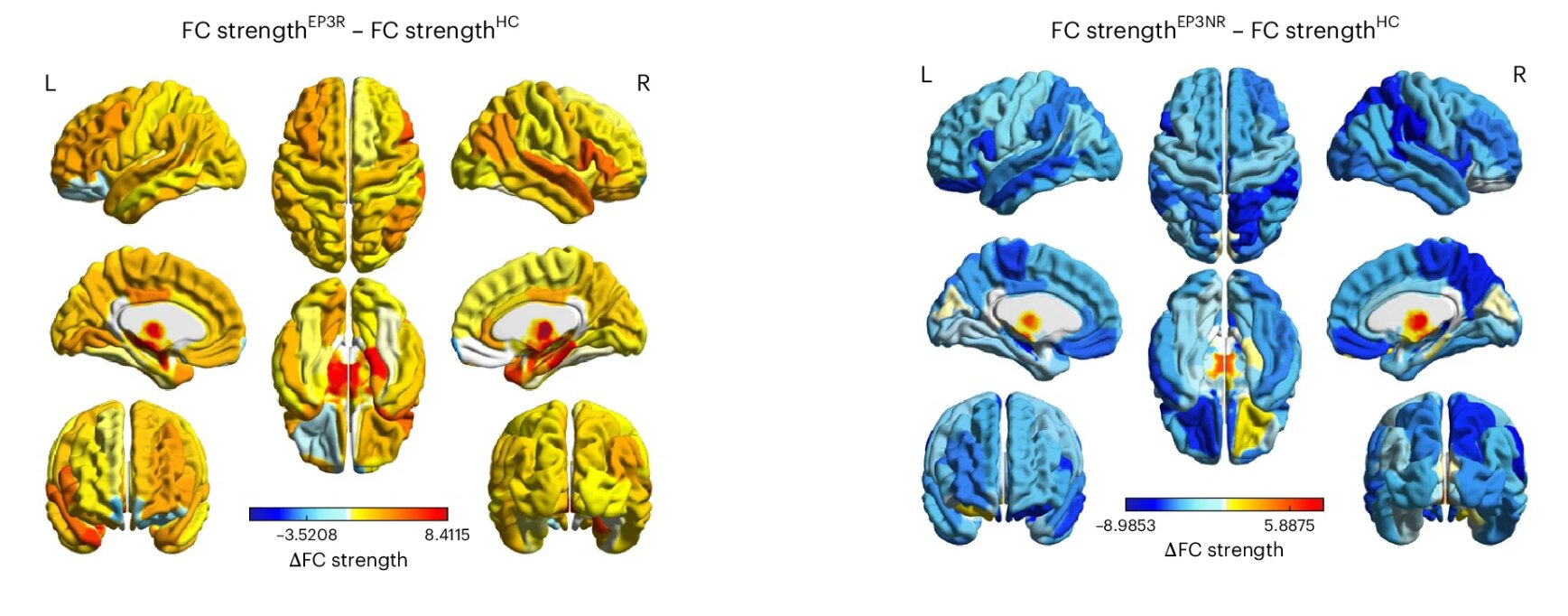
Researchers have recently carried out a study investigating the relationship between age and the functional coupling between specific neural networks in the brain. Their paper, published in Psychology and Aging, shows that the connectivity between certain brain regions can predict people’s chronological age with a high level of accuracy.

Men who experience behavior changes including apathy or having false beliefs and perceptions in later life are at risk of faster cognitive decline than women, according to new research. 

A new study shows that children younger than their classmates within a school year are more likely to be treated for Attention Deficit Hyperactivity Disorder (ADHD), suggesting immaturity may influence diagnosis.

Finally this week, researchers have identified a novel gene called MGMT that appears to increase Alzheimer’s disease risk in women.

End of Year Neuroscience Update

Welcome to the final research update of the year. 

A new study shows that people who do vigorous physical activities, like jogging or playing competitive sports, in areas with higher air pollution may show less benefit from that exercise when it comes to certain markers of brain disease. The markers examined in the study included white matter hyperintensities, which indicate injury to the brain’s white matter, and gray matter volume. Larger gray matter volumes and smaller white matter hyperintensity volumes are markers of overall better brain health.

Long-term memory consolidation and short-term memory processes that occur during sleep do so at a cost to one another according to new research. 

In a discovery that could one day benefit people suffering from traumatic brain injury, Alzheimer’s disease, and schizophrenia, researchers have identified the characteristics of more than 100 memory-sensitive neurons that play a central role in how memories are recalled in the brain.

An observational study of more than 3,000 adults aged 65 years or older has uncovered a link between cataract surgery and a reduced risk of developing dementia, including Alzheimer’s disease.

Researchers in Japan used magnetic resonance imaging to study the brains of secondary school students during a task focused on musical observation. They found that students trained to play music from a young age exhibited certain kinds of brain activity more strongly than other students. The researchers also observed a specific link between musical processing and areas of the brain associated with language processing for the first time.

A new theory suggests consciousness is a state tied to complex cognitive operations, and not a passive basic state that automatically prevails when we are awake.

Why do so many children with autism often suffer from epilepsy? Scientists have discovered an important brain protein that quiets overactive brain cells and is at abnormally low levels in children with autism.

A newly developed self-assessment test of cognitive function can help detect early signs of dementia sooner than commonly used office-based cognitive tests.

Scientists have identified a neural mechanism that supports advanced cognitive functions such as planning and problem-solving. The mechanism distributes information from a single neuron to larger neural populations in the prefrontal cortex.

A team of researchers has found a link between the way that cells produce energy for brain function and the mutated genes found in Alzheimer’s disease.

Children with autism have abnormally low levels of the CNTNAP2 protein. The protein, which can be detected in cerebrospinal fluid samples, may serve as a new biomarker for autism and could potentially become a target to treat epilepsy that is commonly associated with ASD.

Finally, this new study brings understanding how the brain processes information one step closer.