Weekly Neuroscience Update

covid-4948866_640

A new review of neurological symptoms of COVID-19 patients reveals the disease poses a global threat to the entire nervous system, reports a study in Annals of Neurology.

Researchers have combined tools from machine learning and neuroscience to discover that the brain uses a mathematical system to organize visual objects according to their principal components.

A new system for high-density EEG helps with the imaging of the origin and path of both normal and abnormal neural activity.

Brain function depends on inhibitory cells that balance or ‘brake’ excitation. These neurons allow the brain to process information and also prevent runaway seizures. A new study however, reports that in some critical structures of the developing brain, the inhibitory neurons cause excitation rather than suppression of brain activity. The findings, published in Science Advances, could have implications for the treatment of neonatal seizures.

New research shows changes in gut mucus may contribute to Alzheimer’s, Parkinson’s, and other neurological disorders.

Researchers have identified how specific genetic mutations cause ALS. The pathway, they believe, may also be responsible for the development of frontotemporal dementia.

Cancer itself, rather than chemotherapy alone, may contribute to the development of neuropathy some patients experience.

Finally this week, results from a new study suggest that whether certain genes are expressed — turned on or off– may play a role in susceptibility to post-traumatic stress disorder (PTSD).


Weekly Neuroscience Update

recognition-id-neuroscinews

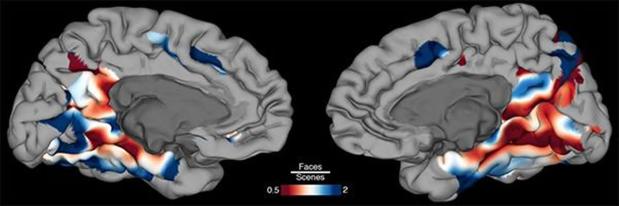
Image showing a map of the brain surface showing regions that preferentially activate during face (blue) and scene (red) identification. Image is credited to Oscar Woolnough, PhD, postdoctoral research fellow in the Department of Neurosurgery at McGovern Medical School at UTHealth in Houston.

A new study reveals areas of brain where recognition and identification occur.

Researchers have identified a hippocampal neural network that activates during stress. Activity in a hippocampal-hypothalamus network predicts greater feelings of stress, while connectivity between the hippocampus and dorsolateral prefrontal cortex predicts less stress.

Researchers have identified27 protein biomarkers that can predict whether a patient with COVID-19 is likely to develop severe coronavirus symptoms.

While the amount of antibodies generated varies widely in patients who have recovered from coronavirus, most people generate at least some antibodies which are intrinsically capable of neutralizing the SARS-CoV-2 virus according to a new study.

Twenty-nine genes have now been identified as being linked to problematic alcohol use. 

Toxic versions of the protein tau are believed to cause death of neurons of the brain in Alzheimer’s disease. A new study published in Nature Communications shows that the spread of toxic tau in the human brain in elderly individuals may occur via connected neurons. The researchers could see that beta-amyloid facilitates the spread of toxic tau.

Certain personality traits could increase the risk of developing mild cognitive impairment, a new study reports.

The anesthetic drug ketamine has been shown, in low doses, to have a rapid effect on difficult-to-treat depression. Researchers at Karolinska Institutet now report that they have identified a key target for the drug: specific serotonin receptors in the brain. Their findings, which are published in Translational Psychiatry, give hope of new, effective antidepressants.

Finally this week, a new study shows some infants can identify differences in musical tones at six months.


Weekly Neuroscience Update

covid-4948866_640

In a new study, researchers identified the most common characteristics of 85 COVID-19 patients who died in Wuhan, China in the early stages of the coronavirus pandemic. The study reports on commonalities of the largest group of coronavirus patient deaths to be studied to date.

Abnormal blood clotting contributes to death in some patients with severe COVID-19 infections.

A newly developed blood test for Alzheimer’s disease measures a specific variant of the tau protein. Early results show the test has a good capacity to distinguish Alzheimer’s disease from other tauopathies.

New findings support the theory that impaired prefrontal control of the dopamine system is a key mechanism for the development of schizophrenia.

Researchers report that in depressed individuals there are increased amounts of an unmodified structural protein, called tubulin, in lipid rafts — fatty sections of a cell membrane — compared with non-depressed individuals.

A new genetics test for COVID-19 has been developed by an international team of researchers. 

Genetic variability in the human immune system may affect susceptibility to, and severity of infection by severe acute respiratory syndrome coronavirus 2 (SARS-CoV-2), the virus responsible for the coronavirus disease (COVID-19).

Researchers have developed a new approach to prevent amyloid plaque formation by engineering a nanodevice that captures the peptides before they can assemble.

A new study puts into question conventional belief that the eyes communicate with the brain exclusively via one signaling pathway. Researchers have identified a subset of retinal neurons that sends inhibitory signals to the brain. This subset of neurons is also involved in the synchronization of circadian rhythms to light/dark cycles and pupil constriction to bright light intensity.

Finally, this week, a new study sheds light on the role brain insulin plays in weight and visceral fat accumulation.

Weekly Neuroscience Update

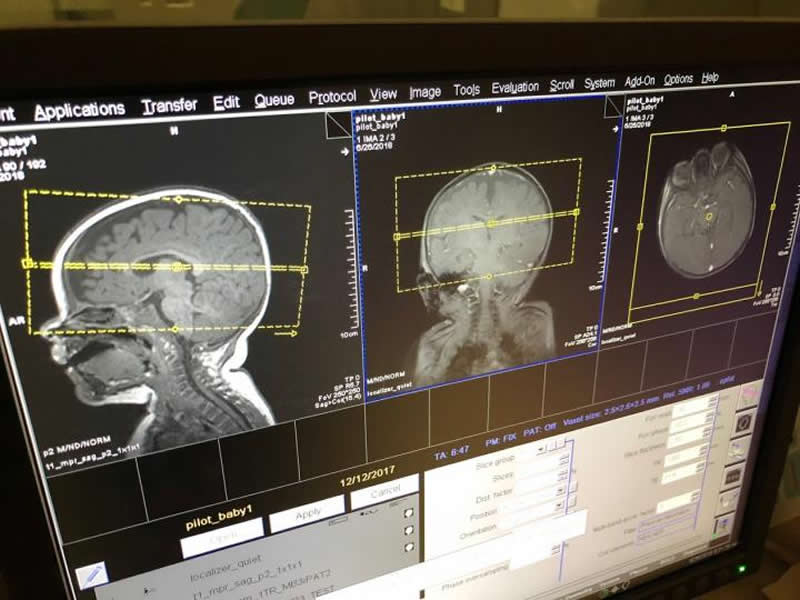
A baby next to fMRI scanning images of its brain. Understanding how an infant’s brain is typically organized may help answer questions when something goes awry. The image is credited to Cory Inman.

A newborn’s brain is more adult-like than previously assumed. Neuroimaging revealed much of the visual cortex scaffolding is in place, along with patterns of brain activity at 27 days of age, although it is not quite as strong as seen in adult brains.

New research uses the mating songs of birds to show how intrinsic properties of cells are closely tied to the complex processes of learning.

People with a life-long history of antisocial behavior had decreased mean surface area of the brain and lower mean cortical thickness than those with no history of antisocial behavior. Much of the cortical thinning was in areas associated with emotional regulation, motivation, and goal-directed behavior.

Two separate studies display the fascinating relations between AI and neuroscience.

Low-intensity exercise triggers brain networks associated with cognitive control and attention processing, while high-intensity exercise activates networks involved in emotional processing.

Following a stroke, dysfunction in the glymphatic system causes cerebrospinal fluid to flood the brain, drowning neurons, and triggering cerebral edema.

An unexpected research finding is providing new information that could lead to new treatments of certain neurological diseases and disorders, including multiple sclerosis, Alzheimer’s disease and spinal cord injury.

Male patients on the autism spectrum who were given oxytocin for four weeks experienced improvements in social attachment behaviors for up to 12 months.

Finally this week, new brain networks come ‘online’ during adolescence, allowing teenagers to develop more complex adult social skills, but potentially putting them at increased risk of mental illness, according to new research.

Weekly Neuroscience Update

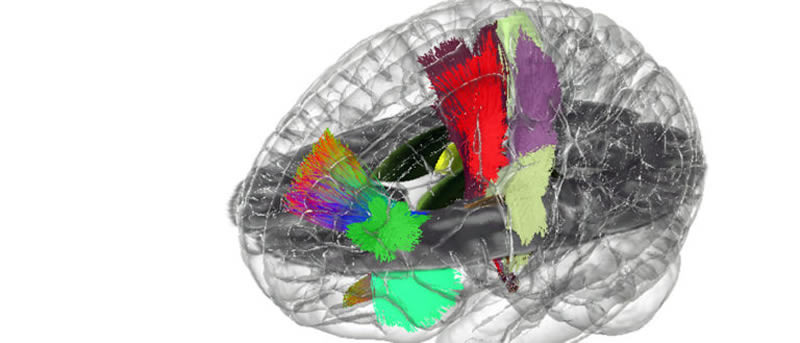
A holographic image of the human brain. The image is credited to Case Western Reserve.

Researchers have used the HoloLense software to create an interactive holographic mapping system for axonal pathways in the human brain.

Does Parkinson’s disease (PD) start in the brain or the gut? In a new contribution published in the Journal of Parkinson’s Disease, scientists hypothesize that PD can be divided into two subtypes: gut-first, originating in the peripheral nervous system (PNS) of the gut and spreading to the brain; and brain-first, originating in the brain, or entering the brain via the olfactory system, and spreading to the brainstem and peripheral nervous system.

In the largest study of its kind, researchers identified similarities in the brain activity of people with major depressive disorder, post-traumatic stress disorder, bipolar disorder, and anxiety disorders.

A new theory, inspired by thermodynamics, takes a high-level perspective of how neural networks in the brain transiently organize to give rise to memories, thought and consciousness.

For the first time, researchers have extracted and isolated amyloid beta (Aβ) fibrils from the brains of three people who had died of Alzheimer’s disease.

A new study has revelled that deep sleep restores the medial prefrontal cortex mechanisms that restore emotion. This lowers emotional and physiological reactivity, preventing the escalation of stress and anxiety.

The largest brain imaging study of its kind may have found the reason why people with anxiety and mood disorders so often feel unable to escape negative thoughts and emotions.

Finally this week, researchers have now developed a novel computational approach to accelerate finding optimal stimuli, by building deep artificial neural networks that can accurately predict the neural responses produced by a biological brain to arbitrary visual stimuli.

Weekly Neuroscience Update

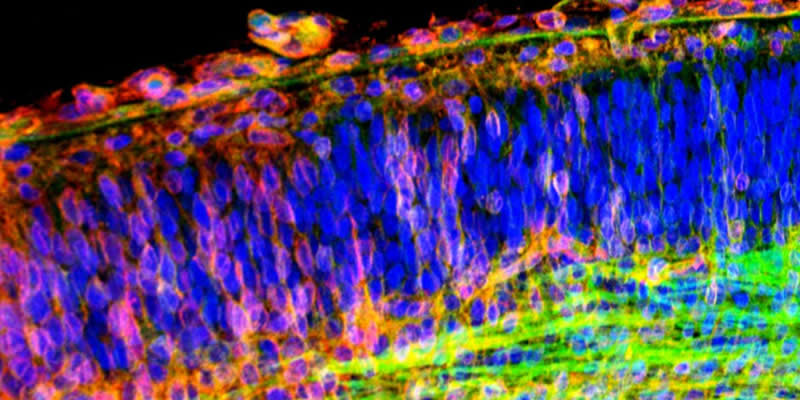
This image shows the developing brain visualized with fluorescence laser scanning microscopy. It illustrates the neurons (blue) and growing axons (red and green). Image INc-UAB.

Researchers have identified a new cell mechanism that connects Alzheimer’s disease and cancers.

The human brain can recognise a familiar song within 100 to 300 milliseconds, highlighting the deep hold favourite tunes have on our memory, a UCL study finds.

A new method allows researchers to detect serotonin at extremely low concentrations in serum.

New research shows for the first time that patients with mood and anxiety disorders share the same abnormalities in regions of the brain involved in emotional and cognitive control. The findings hold promise for the development of new treatments targeting these regions of the brain in patients with major depressive disorder, bipolar disorder, posttraumatic stress disorder, and anxiety disorders.

Artificial intelligence is helping shed light on how people’s brains, bodies, and emotions react to listening to music. 

Researchers have identified a set of neurons, located in a region of the hypothalamus, that may be the switch that turns the brain off, allowing for sleep. The neurons are also tied to body temperature regulation.

According to new research, musical intervention can help to improve mood and decrease agitation in those with dementia.

Performance on two quick tests ― a cognitive screen and an olfactory test ― may rule out future dementia, including Alzheimer disease (AD), for patients with mild memory problems, results of a large follow-up study show.

Features of the functional connectome are present in the fetal brain during the second and third trimesters of pregnancy.

Finally this week, a new study reveals how acetate, a byproduct of alcohol breakdown, travels to the brain’s learning system and alters proteins that regulate DNA function.

Weekly Neuroscience Update

artificial-membrane-brain-tisuse-neurosciencenews

A newly developed microfluidic device microfluidic device allowed researchers to keep tissue from the suprachiasmatic nucleus alive for over 25 days.

Neuroscientists have proved how different parts of the human brain work together to create and retrieve episodic memory.  Models suggested that, during formation of a memory, information is routed from cortex to hippocampus whilst retrieving a memory should see this information flow in reverse.

A collaborative study published today in the journal Cell Reports provides evidence for a new molecular cause for neurodegeneration in Alzheimer’s disease.

Researchers have identified brain circuitry differences that might be associated with suicidal behavior in individuals with mood disorders. The study, published in Psychological Medicine, provides a promising lead toward tools that can predict which individuals are at the highest risk for suicide.

A period of wakeful rest can help reduce memory intrusions associated with PTSD.

Does dementia spread gradually and evenly in all directions across the brain, or can it “jump” from one brain area to another? New research helps to settle the question by examining the progression of frontotemporal dementia.

Examining postmortem brains of autism spectrum disorder patients, researchers discover an accumulation of immune cells surrounding blood vessels in the brain.

Your personality type may influence addiction to certain drugs, a new study reveals. Those whose personalities rank higher for impulsivity are more likely to use ecstasy, while those who score higher for neurotic traits are more likely to use opioid like heroin, researchers report.

Finally this week, researchers have mapped out some of the mechanisms that may affect women’s fertility from the teenage years to menopause.


Weekly Neuroscience Update

event-order-memory-neurosceincenews.jpg

A demonstration of the hippocampus and LEC. The image is credited to University of Warwick.

A new theory and model helps explain how entorhinal time ramping cells produce hippocampal time cells. The hippocampal cells allow for memory association between places and people to help recall event sequences.

Researchers shed light on why we need to sleep and discuss the effects of sleep deprivation.

In a groundbreaking finding, researchers have identified a new sensory organ under the skin that can detect pain as a result of impact or pinpricks. The organ comprises of glial cells with multiple long protrusions which collectively make up the mesh-like organ under the skin.

A 3D map of how the brain responds to words could unlock new ways to understand and treat dyslexia and speech disorders.

A visual test may be a new tool in the diagnosis of autism. Individuals on the autism spectrum are slower to dampen neural activity in response to visual stimuli in the brain. Using EEG data collected from the visual region, researchers could predict with 87% accuracy whether or not a person had ASD.

Contrary to popular belief, a new study reveals higher levels of testosterone may make people more sensitive to moral norms.

Boosting a single molecule in the brain can change “dispositional anxiety,” the tendency to perceive many situations as threatening, in nonhuman primates, researchers have found.

Finally this week, a new study suggests there may be genetic explanations for why some children with poor language also have poor mental health.


Weekly Neuroscience Update

hands-2847508_960_720

Researchers have demonstrated a universal decoding system in humans that determines how we perceive vibrations of different frequencies through touch.

A new study by researchers at the University of Eastern Finland is the first to observe that dietary intake of phosphatidylcholine is associated with a reduced risk of dementia. Phosphatidylcholine was also linked to enhanced cognitive performance. The main dietary sources of phosphatidylcholine were eggs and meat. The findings were published in the American Journal of Clinical Nutrition.

Scientists have identified a group of proteins that help to regenerate damaged nerve cells. Their findings are reported in the journal Neuron.

Difficulty sleeping in a new environment is so common that neuroscientists have a name for it: the ”first-night effect” (FNE). New research shows FNE is basically the neurological equivalent of sleeping with one eye open. When you go to sleep for the first time in a new environment only half of your brain really rests, according to a study recently published in Current Biology.

Rhythms in gene expression in the brain are highly disrupted in people with schizophrenia, according to a new study.

Moderate exercise is not only good for memory as people age, it also appears to help prevent the development of physical signs of Alzheimer’s, known as biomarkers, in those who are at risk for the disease, according to research presented at the annual convention of the American Psychological Association.

Finally this week, a new study identifies 69 genes linked to increased autism risk, including 16 new genes previously not believed to be associated with ASD.

Weekly Neuroscience Update

dog-2606759_960_720.jpg

Cortisol levels associated with stress are reduced after interacting with cats and dogs, researchers report.

A headset that stimulates the ear canal improves both motor and non-motor symptoms of Parkinson’s disease. The effects of the stimulation appear to have a lasting effect following treatment.

Atypical eating behaviors may be a sign a child should be screened for autism, according to a new study from Penn State College of Medicine.

Researchers have identified a cell population that likely plays a key role in multiple sclerosis (MS). T helper cells in the blood of MS patients infiltrate the central nervous system, where they can cause inflammation and damage nerve cells. This discovery opens up new avenues for monitoring and treating MS patients.

Automated robotic technology allows researchers to identify new pathways activated when the brain rewires circuits in response to experience.

A potential link has been identified between obstructive sleep apnea (OSA) and major depressive disorder. Treating OSA may help to improve depressive symptoms, as well as reduce suicidal thoughts and improve sleep for those with insomnia.

Researchers are looking at how neuroscience can help with artificial intelligence technology and vice versa.