Weekly Neuroscience Update

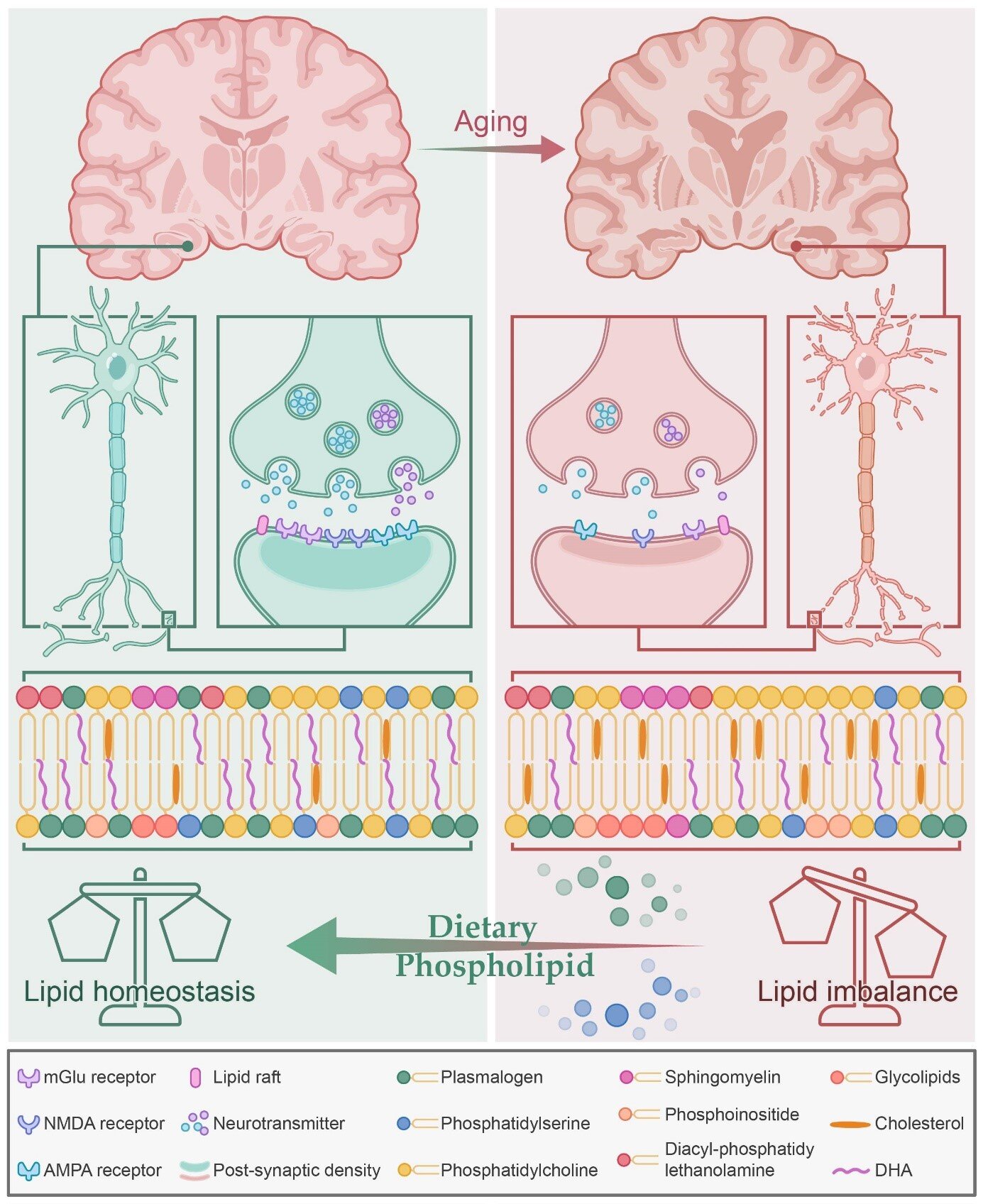
Dietary phospholipid intervention could prevent brain aging by maintaining lipid homeostasis and enhancing synaptic plasticity. Credit: Wei Xiong et al.

A new review highlights the significant role of dietary lipids in preventing brain aging and cognitive decline. As the global burden of aging-related brain diseases, particularly dementia, continues to rise, this research offers promising insights into potential nutritional interventions that could improve brain function during aging.

Cerebrospinal fluid (CSF) leaks may be one of the mechanisms that link traumatic brain injury (TBI) with dementia, according to a new hypothesis.

Short-term exposure to air pollution may be linked to an increased risk of stroke, according to a meta-analysis published in Neurology. Short-term exposure was defined as occurring within five days of the stroke.

People with a higher cumulative estrogen exposure throughout their life may have a lower risk of cerebral small vessel disease, according to a new study.

New research is painting a clearer picture of the early signs of multiple sclerosis (MS), showing that people are nearly twice as likely to experience mental illness in the years leading up to the onset of the disease.

Increased TV/DVD screen time at 1 and 2 years of age negatively affects developmental performance at 2 and 3 years of age, according to a study published in JAMA Pediatrics.

Whether you are an early bird or a night owl, your internal clock plays a critical role in maximizing your mental performance, according to a recent study. This effect is so strong that it can significantly impact academic performance for adolescent students and the results of brain health assessments for older adults.

Researchers are using ultra-high field 7 Tesla MRI to provide a better understanding of how sleep is regulated.

A new study suggests a common brain network exists among people with substance use disorder. By evaluating data from across more than 144 studies of addiction, the team found abnormalities across substance use disorders mapped to a common brain network across substances and lesion locations, suggesting a potential brain circuit to target with neurostimulation therapies.

Finally this week, people differ significantly in their memory performance and researchers have now discovered that certain brain signals are related to these differences.

Weekly Neuroscience Update

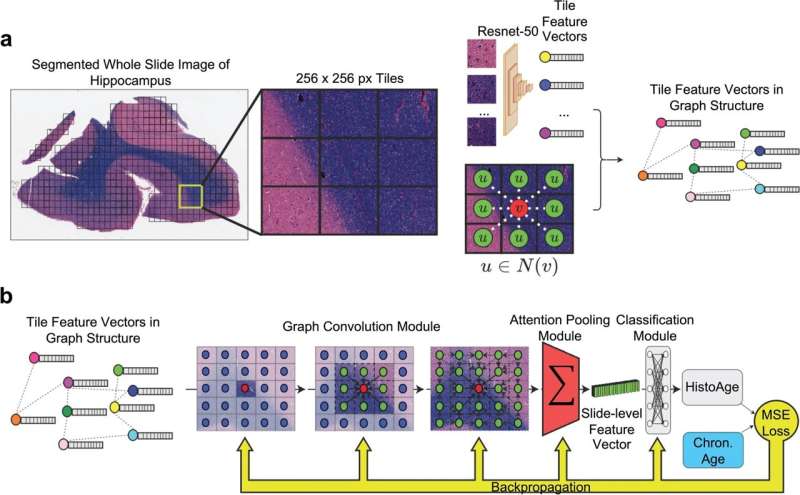
Credit: Nature (2023)

A new study has identified the link between memory and appetite.

Scientists have made a ‘paradigm shifting’ discovery on the mechanisms required for learning and memory that could lead to new therapies for Alzheimer’s disease and potentially Down syndrome.

Researchers have analyzed which physiological indicators recorded when watching a movie can predict the audience’s assessment. It turned out that the activity of zygomaticus major (the “smiling muscle”), heart rate variability and EEG indicators can tell us most about the viewer’s impression of the movie.

The largest genetic study of its kind has discovered specific changes in our DNA that increase the risk of developing epilepsy.

Researchers found that the skin, not pre-existing genetic programming, instructs nerve cells on how to mature for specific sensory tasks. The findings showcase that skin cues determine whether nerve endings develop to detect sensations in hairy or hairless skin. If corroborated by further research, this discovery could pave the way for therapies to mend damaged nerves or better comprehend congenital neuropathies.

A new study has explored the link between infant birthweight, gestational age and future cognitive problems.

Researchers have successfully developed temporary, organic electrodes that can be seamlessly integrated into biological systems. The method opens up a future where bioelectronics can be implanted in and removed from the body without surgery.

New research shows wildfire smoke impacts on the brain.

A new study has found that, among a sample of 152 young athletes exposed to repetitive head impacts (RHI) who were under age 30 at the time of death, 41.4% (63) had neuropathological evidence of CTE, a degenerative brain disease caused by RHI.

New research supports the idea that the brains of older adults who maintain physical fitness by engaging in regular strenuous exercise more closely resemble those of younger adults.

Researchers have succeeded in transforming brain signals into audible speech. By decoding signals from the brain through a combination of implants and AI, they were able to predict the words people wanted to say with an accuracy of 92 to 100%. Their findings are published in the Journal of Neural Engineering.

Finally this week, a virtual reality study has revealed a link between a sense of presence and cognitive abilities.

Weekly Neuroscience Update

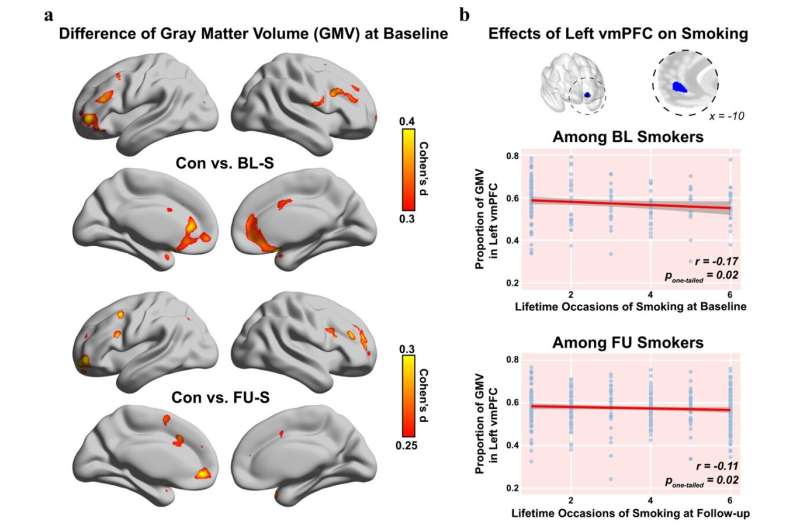
Smaller Left vmPFC was associated with future smoking. Credit: Nature Communications (2023)

Levels of gray matter in two parts of the brain may be linked to a desire to start smoking during adolescence and the strengthening of nicotine addiction, a new study has shown.

Researchers have enabled machine learning to accurately predict Parkinson’s disease subtypes using stem cell images. This breakthrough showcases computer models classifying four Parkinson’s subtypes, with top accuracies reaching 95%. This could revolutionize personalized medicine and aid in more targeted drug research for Parkinson’s.

A large international team of medical researchers has found that the severity of COVID-19 infections in children over the course of the pandemic varied by age and viral variant.

Researchers have illuminated how our brain maintains focus amidst distractions. Their study identifies “visual-movement” neurons in the lateral prefrontal cortex (LPFC) that use coordinated activity called “beta bursts” to suppress distracting stimuli and ensure attention remains on rewarding tasks. This discovery gives a deeper understanding of cognitive focus and offers insights into disorders like ADD and OCD.

More cases of children born with abnormal brain development may have genetic explanations than previously thought, according to a recent study published in JAMA Neurology.

Hearing impairment may cause difficulties in social interactions, but new research indicates that social struggles experienced by deaf individuals are likely not due to brain alterations, but rather due to non-supportive environments.

Scientists have identified a series of processes that help the brain adapt to damage caused by breakdowns in circuits that govern movement, cognition and sensory perception.

For the first time, researchers have discovered that the ventral tegmental area (VTA) of the brain—a key structure involved in motivation and reward appreciation—has altered connectivity patterns with specific brain regions in patients with obesity. Individuals with obesity have hyper-connectivity of the VTA with part of the ventral occipitotemporal cortex (visual processing for food images) and hypo-connectivity with the left inferior frontal gyrus (associated with cognitive control), according to a new study in Obesity.

Researchers have identified a key pathway, involved in inflammation, which appears to be activated in people with long COVID who have symptoms of “brain fog.”

Using a novel approach of precision neuroimaging and high-resolution functional magnetic resonance imaging (fMRI), a team of neuroscientists and physicists have discovered previously unknown cortical networks and shed light on the anatomical organization of the human memory system.

A pioneering scientific study has shown that the effects of multiple concussions in rugby players continue to have an impact on their brain even in retirement. 

Researchers have coupled the measurements of brain waves associated with disorders of consciousness (DoC) with glucose usage in specific brain areas, identifying where in the brain the waves might be generated.

A new study shows that brains with Alzheimer’s disease have subnormal levels of important dietary antioxidants.

A breakthrough project mapping brain changes in nearly 1,300 people diagnosed with six different types of mental illness has revealed the extraordinary diversity of brain changes found in people with conditions like major depression and schizophrenia.

Researchers have unveiled a promising link between adult education and reduced dementia risk. 

Neuroscientists have shown that adversities permanently change the functioning of the brain. Furthermore, an aberrant reaction of the brain to adversities is related to anxiety symptoms. This may have predictive value for the development of psychiatric disorders.

Finally this week, a new study identifies sex differences in the brain cell types responding to stress.

Weekly Neuroscience Update

Scientists have shown that the hypothalamus, a key region of the brain involved in controlling appetite, is different in the brains of people who are overweight and people with obesity when compared to people who are a healthy weight.

Researchers have shown in lab-based experiments that variants of SARS-CoV-2, the virus that causes COVID-19, can affect the blood-brain barrier and damage brain cells in different ways.

Unlike previously thought, speech production and singing are supported by the same circuitry in the brain. Observations in a new study can help develop increasingly effective rehabilitation methods for patients with aphasia.

Scientists have discovered an additional potential cause of the genetic mutations that result in rare conditions such as Huntington’s disease (HD).

Neuroscientists report the first results from experimental tests designed to explore the idea that “forgetting” might not be a bad thing, and that it may represent a form of learning—and outline results that support their core idea.

The largest-ever study of the genetics of the brain—encompassing some 36,000 brain scans—has identified more than 4,000 genetic variants linked to brain structure.

A first-in-human trial of deep brain stimulation (DBS) for post-stroke rehabilitation patients has shown that using DBS to target the dentate nucleus—which regulates fine-control of voluntary movements, cognition, language, and sensory functions in the brain—is safe and feasible.

New research finds that genetic risk for higher blood pressure even in those in their 40s and 50s may contribute to poorer cognitive function.

An obscure class of molecules, part of the vast system that helps the human body distinguish “self” from “non-self,” may also hold the key to stopping SARS-CoV-2 from commandeering healthy cells, scientists have found in a series of experiments.

Scientists have discovered how HIV hijacks intracellular processes to proliferate and contribute to neurodegeneration, according to a new study published in Nature Communications.

Researchers have discovered a potential breakthrough for people with myalgic encephalomyelitis/chronic fatigue syndrome (ME/CFS), marked by extreme exhaustion, post-exertional malaise and cognitive issues.

Finally this week, in a small, exploratory study, levels of certain types of microbes in babies’ guts have been shown to be associated with performance in tests of early cognitive development.

Weekly Neuroscience Update

Factors associated with healthy aging in Latin American populations. Credit: Nature Medicine (2023)

Researchers at Trinity College Dublin studying the factors influencing healthy brain aging in Latin American and Caribbean (LAC) countries find the lessons learned there, can also be applied to home.

Immune cells in the brains of people who had Alzheimer’s disease appear to behave differently than those who had healthy brains for their age, according to an analysis of the cells’ gene activity. The finding suggests it might be possible to treat Alzheimer’s disease by altering the behavior of these cells.

The longer a person has type 2 diabetes, the more likely they may be to experience changes in brain structure, a new study finds.

Using human “mini-brain” models known as organoids, scientists have discovered that the roots of autism spectrum disorder may be associated with an imbalance of specific neurons that play a critical role in how the brain communicates and functions. The specific cells are known as excitatory cortical neurons.

Psilocybin, the active ingredient in psychedelic mushrooms, shows promise for the transitional treatment of episodic migraines in early clinical trials, according to a recent review.

Researchers have discovered that a neural marker of error detection in the brain’s visual system previously considered pre-attentive may actually require attention and that subtle visual irregularities may be revealed by other neural markers.

A new study has demonstrated that self-organization of neurons as they learn follows a mathematical theory called the free energy principle.

The neural network related to speech is mostly located in the left cerebral hemisphere, while singing has been primarily associated with the structures of both hemispheres. However, a new study indicates that the left hemisphere has a greater significance, including in terms of singing, than previously thought.

A new digital headset designed to measure alterations in brain function could change decisions about how quickly an athlete is ready to return to play after a concussion.

A new study suggests stimulating the sense of smell can boost memory. Older adults exposed to odors while they slept performed better on verbal memory tests and showed improved function in a brain pathway that supports memory formation, according to the study, published in the journal Frontiers in Neuroscience.

Finally this week, researchers have shown that machine learning can accurately predict subtypes of Parkinson’s disease using images of patient-derived stem cells.

Weekly Neuroscience Update

Credit: Biological Psychiatry: Cognitive Neuroscience and Neuroimaging (2023). DOI: 10.1016/j.bpsc.2023.07.003

Researchers have recently been exploring the potential of psychedelic drugs, such as psilocybin and lysergic acid diethylamide (LSD) for treating depression and other mental disorders. Recent research compared the brains of those who had taken psychedelics to those who meditated or were hypnotized. The researchers found that while some may report similar experiences or feelings under these different states of consciousness, what is happening in their brains is very different. Despite the similarities in brain activity between psilocybin and LSD, the changes they induced were markedly different. It suggests that psychedelics, meditation, and hypnosis operate differently and possess distinct underlying mechanisms.

A new study has used multi-omics profiling to track the markers of aging in women.

In a recent review published in the journal Trends in Cognitive Science on August 3rd, a group of social scientists describe how the functions of social media algorithms are misaligned with human social instincts meant to foster cooperation, which can lead to large-scale polarization and misinformation.

Researchers have proposed a strategy to stratify risk of progression from mild cognitive impairment to Alzheimer’s disease.

Research from the Max Planck Florida Institute for Neuroscience has identified a mechanism through which insulin-like growth factors facilitate brain plasticity. The insulin superfamily of hormones, including insulin, insulin-like growth factor 1 (IGF1), and insulin-like growth factor 2 (IGF2), play a crucial role not only in regulating blood sugar, metabolism, and growth, but also in healthy brain development and function, including learning and memory.

Finally this week, how people feel about their sleep has a greater impact on their well-being than what sleep-tracking technology says about their sleep quality, new research has found.

Weekly Neuroscience Update

Encouraging children to indulge in reading for pleasure can enhance their cognitive and mental health during adolescence, a recent study reveals. The study, involving over 10,000 young adolescents from the US, discovered that an optimal reading duration of 12 hours per week contributed to improved brain structure and mental health.

New research has investigated associations of adverse childhood experiences with changes in epigenetic age acceleration.

Researchers have discovered a new depression subtype, the ‘cognitive biotype,’ affecting 27% of patients who respond poorly to typically prescribed antidepressants. These patients struggle with planning, self-control, sustained focus, and suppressing inappropriate behavior, with brain scans revealing reduced activity in the regions responsible for these tasks.

A team of researchers has developed a predictive model to recognize patterns of persistent negative thinking, or rumination, using machine learning.

A new study involving over 22,000 people with Multiple Sclerosis (MS) has identified a genetic variant associated with the disease’s faster progression. The research discovered a genetic variant that significantly affects disease severity. This development brings us closer to understanding and combatting the progressive form of MS. The identified genetic variant accelerates disability, undermining patient mobility and independence over time.

Regularly finding time for a little snooze is good for our brain and helps keep it bigger for longer, say researchers.

Do intelligent people think faster? Researchers made the surprising finding that participants with higher intelligence scores were only quicker when tackling simple tasks, while they took longer to solve difficult problems than subjects with lower IQ scores. 

Finally this week, new research provides the first physiological evidence supporting the scientific theory of how the brain consolidates memory during sleep. 

Weekly Neuroscience Update

 Credit: Science Advances (2023)

An international team of neuroscientists, anesthesiologists and other medical researchers has learned more about the changes that occur in brain neurotransmitter systems under the influence of psychedelics, anesthetics and cognitive enhancers by studying PET and fMRI scans of brains of people administered such drugs. The study is published in Science Advances.

With as little as 1 percent loss in body weight, a Mediterranean diet appears to slow the signs of accelerated brain aging typical of obesity, according to a new study.

Scientists have uncovered swirling spiral patterns of brain signals on the human cortex. The research indicates that these patterns, observed during both resting and cognitive states, play a crucial role in organizing brain activity and cognitive processing.

New research on why some people have allergies more than others has revealed that changing a specific protein called ETS1 can affect our body’s response to allergies.

Researchers have found compelling molecular evidence suggesting that bipolar disorder and schizophrenia, traditionally viewed as distinct conditions, may have more similarities than previously thought.

Finally this week, new research sheds light on the role of astrocytes, a type of brain cell, in olfactory perception or smell detection.

Weekly Neuroscience Update

Viewing interactive art online can improve our mood and reduce anxiety. People reported significant improvements in mood and anxiety after just a few minutes of viewing an interactive Monet Water Lily art exhibition.

The way our senses adjust while playing virtual reality (VR) games affects the severity of cybersickness experienced. Researchers measured how participants perceived the orientation of vertical lines before and after playing two VR games, one high-intensity, and one low-intensity. They found that those who experienced less sickness were more likely to have the largest change in the subjective visual vertical following exposure to VR. The findings could be useful for VR designers and developers in creating more comfortable and enjoyable experiences.

In a new study, scientists have discovered anatomical changes that occur in the brains of patients after their sight is restored.

Scientists have explored the links between three measures known to independently predict healthy aging: nutrient intake, brain structure and cognitive function. Their analysis adds to the evidence that these factors jointly contribute to brain health in older adults. 

Young men with cannabis use disorder are more likely to develop schizophrenia, according to a new study.

A new study challenges conventional thinking on the role of short and long-term memories in relearning motor skills. Researchers found that fleeting short-term memories, rather than long-term ones, are responsible for rapid motor learning, indicating the existence of mechanisms for regulating the learning rates for memories that are distinct from the memories themselves.

Researchers have identified spatial and temporal abnormalities in spontaneous fixational saccades as a potential biomarker for cognitive and positive symptoms in schizophrenia.

Poor verbal memory may increase the risk of psychiatric hospitalization for patients diagnosed with bipolar disorder or depression. The severity of the illness was previously thought to have an impact on poor memory, but new research shows that poor memory may also have an impact on the risk of being hospitalized.

Researchers have uncovered crucial findings regarding Long COVID, discovering significant immune system and nervous system changes that could explain the neurological symptoms experienced by patients.

A new study from Aarhus University indicates that certain types of epilepsy medication taken during pregnancy may increase the risk of severe psychiatric disorders in children.The research found a worrying link between the antiseizure medication valproate and the child’s risk of developing psychiatric disorders such as autism, ADHD and intellectual disability.

Finally this week, scientists have recently identified a unique form of cell messaging occurring in the human brain that’s not been seen before. Excitingly, the discovery hints that our brains might be even more powerful units of computation than we realized.

Weekly Neuroscience Update

 Credit: Science Advances (2023)

Researchers have published a study in Science Advances that looks into the genetic mechanisms behind the development of schizophrenia.

Students whose brainwaves are more in sync with their classmates and teacher are likely to learn better than those lacking this “brain-to-brain synchrony,” shows a new study by a team of psychology and education researchers. The findings, which appear in the journal Psychological Science, offer new insights into the learning process. 

Scientists are testing a new personalized immunotherapy approach that is designed to work similarly to a vaccine by training the immune system to fight glioblastoma brain cancer.

People experiencing hearing loss who are not using a hearing aid may have a higher risk of dementia than people without hearing loss, suggests a new study published in The Lancet Public Health journal. However, using a hearing aid may reduce this risk to the same level as that of people without hearing loss.

Researchers have shown for the first time that in middle-aged men, Obstructive Sleep Apnea may cause early cognitive decline, even in patients who are otherwise healthy and not obese.

In a new study, teens who added walnuts to their diet for 100 days showed improvements in attention function, and for those with ADHD, frequent walnut consumption was associated with improvements in behavior. Researchers also noted an increase in fluid intelligence in those who frequently consumed walnuts as part of their daily diet.

Listening to or practicing music had positive implications on cognitive decline in older adults by stimulating the production of gray matter in key brain areas, a new study reveals.

Researchers have used machine learning to investigate the molecular and neural mechanisms that could underlie differences among individuals diagnosed with autism spectrum disorder (ASD). Their paper, published in Nature Neuroscience, identifies different subgroups of ASD associated with distinct functional connections in the brain and symptomatology, which could be related to the expression of different ASD-related genes.

A novel imaging technique is capable of showing reactive astrocyte-neuron interactions. The technique sheds new light on Alzheimer’s pathologies and offers a potential breakthrough for the diagnosis and treatment of dementia.

An international team of 79 researchers has collaborated on a study published in Nature Medicine to delve into perivascular spaces (PVS), a poorly understood artifact seen in magnetic resonance imaging of cerebral small vessel disease, a leading cause of stroke and dementia.

Finally this week, new research findings show that probiotic supplementation could be a positive strategy to counteract oxidative stress and inflammation promoted by sleep loss.