Weekly Neuroscience Update

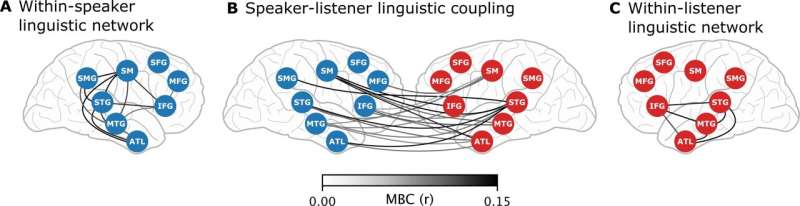
Illustration of the triple-wise correlation network model. Credit: Science Advances (2024). 

By mapping brain activity in three dimensions, researchers have achieved a more detailed picture of how the brain changes with age.

A new study reveals epigenetic alterations in the immune system of Alzheimer’s patients’ blood, suggesting environmental or behavioral factors could influence Alzheimer’s risk. The study indicates these epigenetic changes affect genes associated with Alzheimer’s susceptibility, potentially due to factors like viral infections or pollutants.

Almost half of people who suffer a sports-related traumatic brain injury are still experiencing physical symptoms after six months according to new research findings.

A new study suggests a novel link between depression and higher body temperatures, analyzing data from over 20,000 participants worldwide. While the causal relationship remains unclear, findings indicate that body temperature increases with the severity of depression symptoms, offering a potential new avenue for treatment.

Acupuncture may improve language function in patients with poststroke motor aphasia, according to a new study.

Researchers have found that adolescents being bullied by their peers are at greater risk of the early stages of psychotic episodes and in turn experience lower levels of a key neurotransmitter in a part of the brain involved in regulating emotions.

The contraceptive pill also affects the brain and the regulation of emotions, say researchers.

An international research team has developed a computational biology tool, based on multi-level network analysis, to achieve an integrated vision of multiple sclerosis. This tool could be used to study other complex diseases such as types of dementia.

A new scanning study of 390 babies has shown distinct patterns between term and pre-term babies in the moment-to-moment activity and connectivity of brain networks.

Researchers have developed a machine-learning tool that accurately identifies individuals at high risk of psychosis through MRI brain scans. This innovative approach, which achieved an 85% accuracy rate in training and 73% using new data, offers a promising avenue for early intervention in psychosis, potentially improving treatment outcomes.

A new study highlights music’s crucial role in enhancing the quality of life for people aged 50 to 80, with 98% reporting at least one health benefit from engaging with music.

Researchers have unveiled the “MiniTouch,” a revolutionary device that equips prosthetic limbs with the ability to convey thermal sensations to amputees, bridging a significant gap in sensory feedback technology. This breakthrough allows a transradial amputee to differentiate between objects of varying temperatures and experience more human-like touch, enhancing both functional use and emotional connection with the prosthesis.

Scientists have found a new treatment target for CDKL5 deficiency disorder (CDD), one of the most common types of genetic epilepsy.

A new study presents a compelling case for the integration of Large Language Models (LLMs) like ChatGPT into neuroscience, highlighting their potential to transform research by analyzing vast datasets beyond human capability. The authors suggest that LLMs can bridge diverse neuroscience fields by communicating with each other, thus accelerating discoveries in areas such as neurodegeneration drug development.

Finally this week, researchers have developed a robotic sensor that incorporates artificial intelligence techniques to read braille at speeds roughly double that of most human readers.

Weekly Neuroscience Update

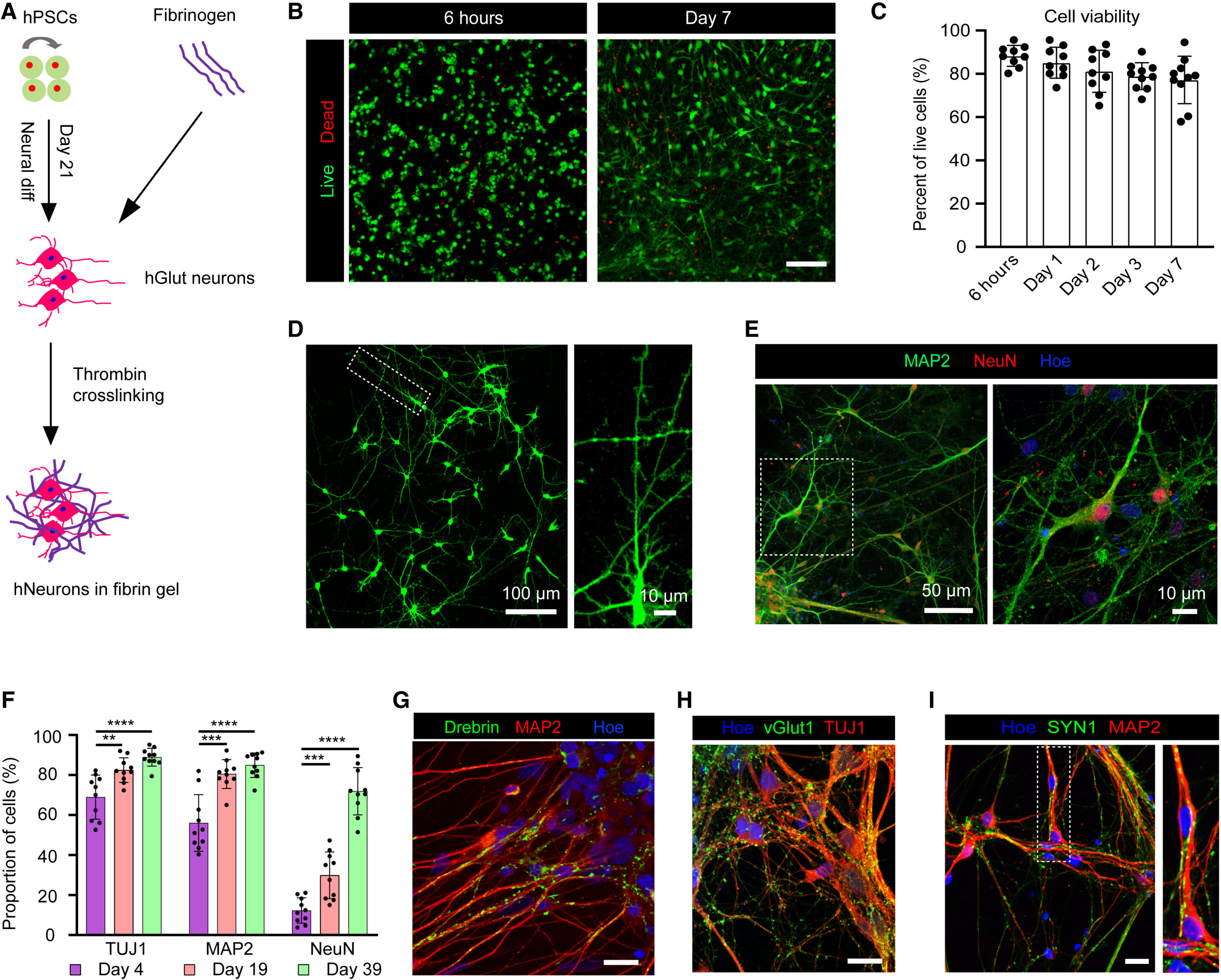
Credit: Cell Stem Cell (2024). DOI: 10.1016/j.stem.2023.12.009

Researchers have developed the world’s first 3D-printed brain tissue that grows and behaves similarly to natural brain tissue, marking a significant leap forward for neurological and neurodevelopmental disorder research.

For patients with Parkinson disease differences in quality of life outcomes are seen with deep brain stimulation of the subthalamic nucleus (STN-DBS), according to a recent study.

New findings published in the journal Nature Neuroscience have shed light on a mysterious pathway between the reward center of the brain that is key to how we form habits, known as the basal ganglia, and another anatomically distinct region where nearly three-quarters of the brain’s neurons reside and assist in motor learning, known as the cerebellum.

Researchers have shown that a blood test can pinpoint the underlying cause of brain injury in newborns.

A new study suggests that high-intensity training (HIT), compared to conventional training, may improve walking ability in patients with chronic traumatic brain injury (TBI). Possible secondary benefits may include improved aerobic capacity/efficiency and cognition.

A team of scientists has unveiled a potential game-changer in the fight against glioblastoma, the most common and currently incurable form of brain cancer.

Combining brain stimulation with intense physical rehabilitation helped stroke survivors recover movement in their arms and hands and maintain these improvements for one year, according to a study to be presented at the American Stroke Association’s International Stroke Conference 2024.

Psychologists have investigated the extent to which neuromodulation of the brain with ultrasound waves influences people’s behavior. The results can also be used as a basis for therapeutic purposes.

A preliminary study reveals that intravenous injections of ginkgo biloba components could significantly improve early cognitive recovery in ischemic stroke patients. Conducted across multiple centers in China, the research tested the effects of ginkgo diterpene lactone meglumine (GDLM) on 3,163 stroke survivors, showing notable improvements in cognitive scores compared to a placebo group.

The brains and blood of people with a history of excessive drinking show cellular evidence of premature aging.

A new study gives insights into the underlying mechanisms of the formation of protein clumps in Alzheimer’s disease. The study could pave the way for new treatments for this devastating neurodegenerative disorder.

Finally, this week, engaging in music throughout your life is associated with better brain health in older age, according to a new study.

Weekly Neuroscience Update

Microscopic photos observed through changes of the flourescence of the synapse sensor (SynapShot) by cultivating the neurons of an experimental rat and expressing the SynapShot. The changes in the synapse that is created when the pre- and post-synaptic terminals come into contact and the synapse that disappears after a certain period of time are measured by the fluorescence of the SynapShot. Credit: KAIST Optogenetics & RNA therapeutics Lab

New research has observed the processes of memory and cognition in real-time.

A new study reveals significant findings in the fight against Long Covid. Through a comprehensive analysis of blood serum from 113 patients, researchers discovered changes in blood serum proteins related to the complement system, coagulation, and tissue injury in Long Covid patients.

New research has found that exercising both before and after learning optimizes memory formation, with a notable 10% improvement in remembering motor skills.

A new study employs generative AI to shed light on how the human brain processes memories for learning, imagination, and planning. The study used a computational model resembling the hippocampus and neocortex’s neural networks to simulate memory encoding and retrieval.

A new study has reported that SARS-CoV-2, the virus that causes COVID, can infect dopamine neurons in the brain and trigger senescence—when a cell loses the ability to grow and divide.

Researchers have taken the first steps to treat Alzheimer’s disease, Parkinson’s disease and Type 2 diabetes by creating multiple patent-pending compounds shown to inhibit protein aggregation associated with those diseases.

A neuroscientific study is paving the way for improving the diagnosis and treatment of Alzheimer’s.

A new study reveals limitations in the current use of mathematical models for personalized medicine, particularly in schizophrenia treatment. Although these models can predict patient outcomes in specific clinical trials, they fail when applied to different trials, challenging the reliability of AI-driven algorithms in diverse settings.

Research into the nature of memory reveals how cells that store information are stabilized over time.

A new study explores how infants and toddlers acquire language. Findings reveal early comprehension begins around 6-7 months, and significant improvements in language understanding occur around a child’s first birthday.

New research looks at ways to predict when a migraine attack will occur.

Researchers at the National Institutes of Health have found overactivation in many brain regions, including the frontal and parietal lobes and the amygdala, in unmedicated children with anxiety disorders. They also showed that treatment with cognitive behavioral therapy (CBT) led to improvements in clinical symptoms and brain functioning.

An international research has proposed a new model for classifying Parkinson’s disease.

A ribbon of brain tissue called cortical gray matter grows thinner in people who go on to develop dementia, and this appears to be an accurate biomarker of the disease five to 10 years before symptoms appear, scientists report.

3D bioprinting sheds light on why blood vessel curvature may foster brain cancer metastasis.

Researchers achieved a significant advancement in robotics by replicating human-like variable speed walking using a musculoskeletal model. This model, steered by a reflex control method akin to the human nervous system, enhances our understanding of human locomotion and sets new standards for robotic technology.

There is a difference between how the brains of healthy older adults perceive color compared to younger adults, finds a new study.

Researchers conducted a study to explore the neuroscientific basis of fairness in social situations, investigating the interplay between personal interests and societal norms. By applying electric brain stimulation to 60 participants, the researchers pinpointed specific brain regions crucial to fairness decisions.

Finally this week, scientists have made a significant discovery using an artificial neural network model, suggesting that musical instinct may emerge naturally from the human brain.

What Happens To Your Brain As You Age?

As the most complex organ in your body, your brain changes radically throughout your life. Starting from before birth and continuing even after you’ve died.

As we age, the brain undergoes several transformations that can impact its structure and function. These changes are part of the natural aging process, and while they are normal, they can sometimes affect certain aspects of cognitive function.

Let’s explore some general trends associated with aging and the brain:

Shrinking of Brain Volume: As people age, there is a gradual reduction in overall brain volume. This is primarily due to a decrease in the size and weight of individual neurons, as well as a reduction in the number of synapses (connections between neurons). The frontal cortex, important for functions such as decision-making and problem-solving, is particularly vulnerable to age-related volume loss.

Reduced Blood Flow: Another notable change in the aging brain is the decrease in blood flow. This reduced circulation can affect the delivery of essential nutrients and oxygen to brain cells, potentially impacting cognitive functions such as memory and attention.

Changes in Neural Communication: Aging can disrupt the intricate network of neural connections within the brain. These disruptions may lead to slower information processing, difficulty in multitasking, and challenges in forming new memories. However, the brain has a remarkable ability to adapt and compensate for these changes, often finding alternative pathways to complete tasks.

Altered Neurochemical Balance: The aging process can also impact the production and regulation of various neurotransmitters. These chemical messengers play a vital role in synaptic communication. Imbalances in neurotransmitters like dopamine and serotonin can affect mood, motivation, and overall cognitive function.

Increased Risk of Neurodegenerative Diseases: While not an inevitable consequence of aging, the risk of developing certain neurodegenerative disorders such as Alzheimer’s disease or Parkinson’s disease does increase with age. These conditions can have a profound impact on memory, movement, and other cognitive abilities.

It’s important to note that while these trends are commonly seen in the aging brain, everyone’s experience is unique. Many factors, including genetics, lifestyle choices, and overall health, can influence how an individual’s brain ages. Adopting a healthy lifestyle, including regular physical exercise, a balanced diet, cognitive stimulation, and social engagement, can contribute to maintaining brain health as one ages. Additionally, ongoing research aims to better understand the aging brain and develop strategies to promote cognitive well-being in older individuals.

    Weekly Neuroscience Update

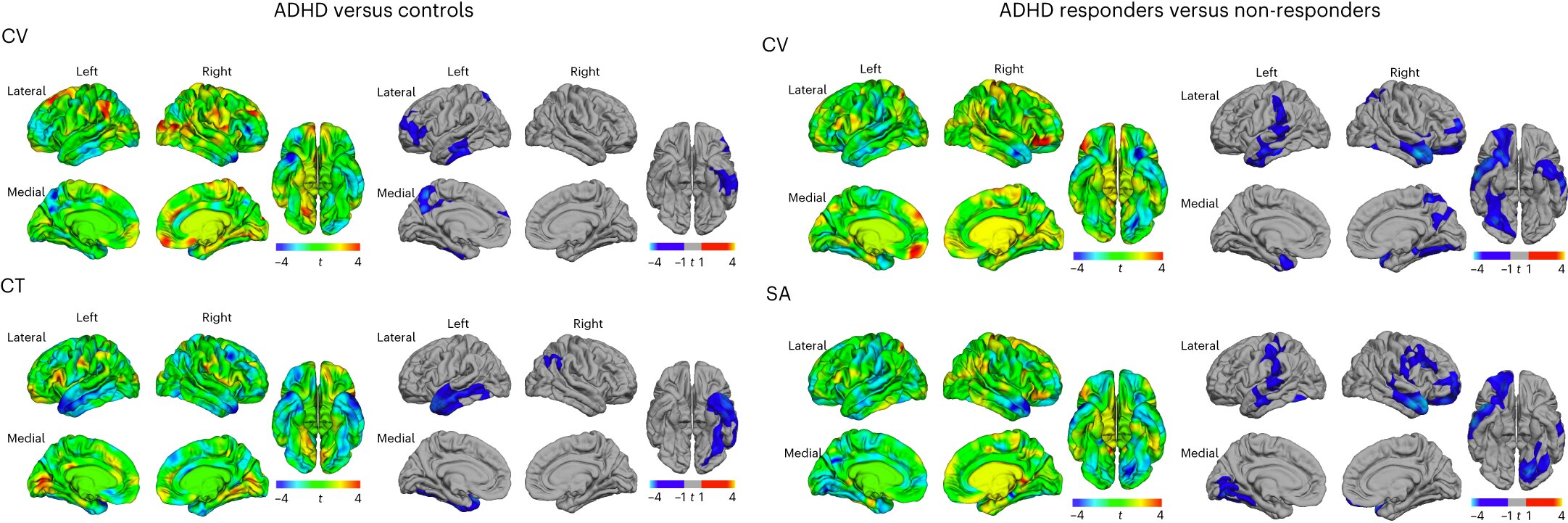
    Credit: Nature Mental Health (2023)

    Researchers have identified important new methods for accurately identifying possible biomarkers in adolescent brains that can reliably predict cognitive developments and psychiatric issues.

    A new study has examined the neural processes underlying odor processing in the human olfactory system and how the brain handles odor information from different nostrils and details the finding that each nostril has its own sense of smell, recording a distinct representation of the odor information it encounters.

    A groundbreaking discovery suggests that dendrites could be pivotal in learning processes and may even influence our understanding of brain states and degenerative diseases.

    A new study reveals the brain’s swift response to human errors compared to unintended outcomes. The study found that the brain recognizes an error within one second and then engages in a longer process to prevent future errors. This process was absent when the outcome wasn’t a direct result of an action, indicating a specialized error-awareness mechanism in the brain.

    Researchers have identified new therapeutic targets for progressive supranuclear palsy (PSP), an incurable brain disorder with symptoms mimicking Parkinson’s and dementia.

    A speech prosthetic developed by a collaborative team of neuroscientists, neurosurgeons, and engineers can translate a person’s brain signals into what they’re trying to say. The new technology might one day help people unable to talk due to neurological disorders regain the ability to communicate through a brain-computer interface.

    It’s been debated for decades, but now researchers have suggested that left-handedness is not linked to better spatial skills.

    A new study sheds light on when adolescents start thinking like adults. Researchers found that executive function, critical for task-switching and focus, typically matures around 18 years old. Drawing from over 10,000 participants and multiple datasets, this large-scale study offers a developmental chart for teen cognitive growth. These findings are invaluable for education, psychiatry, and the judicial system.

    Emerging research underscores the profound connection between mental health and heart disease, with depression and anxiety hastening the onset of cardiovascular risk factors.

    Researchers have discovered a potential link between the microbe C. perfringens and the progression of multiple sclerosis (MS). The study hints at the prospect of developing a vaccine or alternative treatments in the near future.

    In a new study, researchers use a very large dataset to identify predictive brain imaging-based biomarkers of mental illness in adolescents.

    Using advanced brain scanning technology, a research team has revealed insights into what happens in the brain during an advanced form of meditation called jhana. By uncovering distinct patterns of activity in different regions of the brain during jhana, the research suggests exciting possibilities for innovative therapies merging ancient meditation practices with modern neuroscience to improve well-being.

    Finally this week, new research suggests your biological age, more than the years you’ve lived, may predict your risk of dementia and stroke in the future.

    Weekly Neuroscience Update

    A new study unveils the existence of traveling waves of the neurochemical acetylcholine in the striatum, a region of the brain responsible for motivating actions and habitual behaviors.

    Researchers have conducted a study aimed at better understanding the patterns in neural network communication associated with ‘bad’ decisions made while gambling. Their paper, published in Frontiers in Neuroscience, shows that different types of ‘bad’ decisions made while gambling, namely avoidant and approach decisions, are associated with distinct neural communication patterns.

    What determines how a teenager’s brain is structured and how it evolves? Researchers have established a close link between brain activity and a maturation process called cortical thinning.

    Researchers have found COVID-19 does not appear to cause direct brain damage or viral invasion. In blood or cerebrospinal fluid samples, no abnormal biomarkers were found. The findings thus suggest that post-COVID condition is not the result of ongoing infection, immune activation, or brain damage.

    A recent study finds differences in functional brain connectivity in people with and without psychosis and schizophrenia that could help researchers understand the neural underpinnings of this disease.

    Brain health in people over age 50 deteriorated more rapidly during the pandemic, even if they didn’t have COVID-19, according to major new research linking the pandemic to sustained cognitive decline. The cognitive decline seems to have been exacerbated by several factors during the pandemic, including an increase in loneliness and depression, a decrease in exercise, and higher alcohol consumption.

    Prenatal lead exposure is associated with an increased risk for cognitive developmental delay in children, according to a new study.

    Children who are too short for their age can suffer reduced cognitive ability arising from differences in brain function as early as six months of age, according to new research. Stunted growth had previously been linked with poor cognitive outcomes later in life, but this is the first time that this association has been found in infancy. It is also the first time stunted growth has been linked to functional differences in how the brain works in early development.

    Finally this week, researchers have developed a new method for mapping how the parts of the brain “speak” to each other, critical to understanding behavior changes in patients with neurological disease.

    Weekly Neuroscience Update

    An international team of researchers has published a digital atlas showing how the normative maturation of the fetal brain occurs between 14 – 31 weeks’ gestation, a critical developmental period.

    New findings suggest that measuring changes in how pupils react to light could help predict recovery from depression and personalize transcranial magnetic stimulation (TMS) treatment of major depressive disorder.

    A new study has found the influence of language on human thinking could be stronger than previously assumed. 

    Scientists at Imperial College London are leading the development and testing of a new method of stimulating the brain, which could provide an alternative treatment for brain diseases such as Alzheimer’s, and its associated memory loss.

    Researchers report neural signaling during online exchanges is considerably reduced compared to face-to-face conversation.

    Two different regions of the brain are critical to integrating semantic information while reading, which could shed more light on why people with aphasia have difficulty with semantics, according to new research.

    Finally this week, researchers in Canada have examined what type of music helps to dampen pain perception.

    Weekly Neuroscience Update

    Study summary graphic. Credit: Mount Sinai Health System

    A team of researchers has created the first “multiome” atlas of brain cell development in the human cerebral cortex across six broad developmental time points from fetal development into adulthood, shedding new light on their roles during brain development and disease.

    A new study links rhythmic oscillations in ovarian hormone levels in women during the menstrual cycle to changes in brain structure.

    Researchers at Monash University have identified a new way of mapping ‘phosphenes’—the visual perception of the bright flashes we see when no light is entering the eye—to improve the outcome of surgery for patients receiving a cortical visual prosthesis (‘bionic eye’).

    newly published atlas offers the most detailed maps yet of the location, structure, and, in some cases, function of more than 3,000 types of brain cells.

    Researchers have analyzed more than a million human brain cells to produce detailed maps of gene switches in brain cell types and revealed the links between specific types of cells and various common neuropsychiatric disorders.

    A new study shows that teenagers with OCD experience deficits in decision-making and behavioral control. This is linked to abnormal activity in an area of the brain called the orbitofrontal cortex (OFC).

    Severe inflammation in early childhood is a clinically known risk factor for developing autism and schizophrenia. Now, for the first time, scientists have discovered that inflammation alters the development of vulnerable brain cells, and this could have mechanistic links to neurodevelopmental disorders. This finding could lead to treatments for many different childhood-onset neurodevelopmental disorders.

    Scientists have discovered widespread differences in metal levels in the brains of patients with Huntington’s disease, a type of dementia, compared to a control group with healthy tissue.

    In two parallel projects, researchers have been involved in creating the most comprehensive atlases of human brain cells to date. The two studies provide clues on different brain diseases and give hope for medical advancements in the future, such as new cancer drugs.

    In a suite of new studies, a large consortium of researchers shares new knowledge about the cells that make up our brains and the brains of other primates.

    The brains of people who reduce their drinking, as well as of people who quit drinking entirely, have greater volume in certain regions than people who drink more heavily, according to a new study of adults treated for alcohol use disorder. 

    Sleeping patterns and stress hormones could be the key to understanding how and when people with epilepsy are likely to experience seizures, a new study reveals.

    New research has found molecular evidence highlighting important sex differences in the brains of people with major depressive disorder, with evidence of changes occurring specifically in the female brain, but not in males.

    Finally this week, new research has found that MRI scans can reveal the parts of the brain that are involved in responding to fatty foods.

    Weekly Neuroscience Update

    Schematic of preprocessing and model training

    Researchers have, for the first time ever, used AI to develop an algorithm they term “HistoAge” which predicts age at death based on the cellular composition of human brain tissue specimens with an average accuracy of within 5.45 years. This powerful tool can also identify neuroanatomical regions vulnerable to age-related changes, an indicator of potential cognitive diseases.

    Scientists have uncovered why night shift work is associated with changes in appetite. The findings could help the millions of people who work through the night and struggle with weight gain.

    The brain circuitry disrupted in Alzheimer’s disease appears to influence memory through a type of brain wave known as theta oscillation, a team of researchers report. The findings, published in Nature Communications, could help researchers design and evaluate new treatments for Alzheimer’s, a condition that affects millions of people around the globe and has no cure.

    A new study suggests that a healthy heart may help prevent Alzheimer’s—and this gives hope for new treatments.

    Researchers have shown the potential of a new gene therapy approach to silence human sensory neurons (nerve cells) as a means of treating persistent pain. Many current drugs for chronic pain are highly addictive, which makes it important to discover new alternatives.

    Scientists have developed new tools, based on AI language models, that can characterize subtle signatures in the speech of patients diagnosed with schizophrenia.

    Can plant-derived nutrients alter gut bacteria to affect brain function? A team of scientists investigated this question in a study of overweight adults. Their findings, published in the journal Gut, suggest that dietary fiber can exert influence on both the composition of gut bacteria and the reward signals in the brain and associated food decision-making.

    New guidance has been issued for clinicians on the determination of brain death, also known as death by neurologic criteria

    Researchers have shown it is possible to detect tell-tale signs of Parkinson’s disease 20–30 years before symptoms appear. Their work opens the door to screening programs and preventative treatments long before irreversible damage is done.

    Finally this week, there is evidence that some form of conscious experience is present by birth, and perhaps even in late pregnancy, an international team of researchers has found.

    Weekly Neuroscience Update

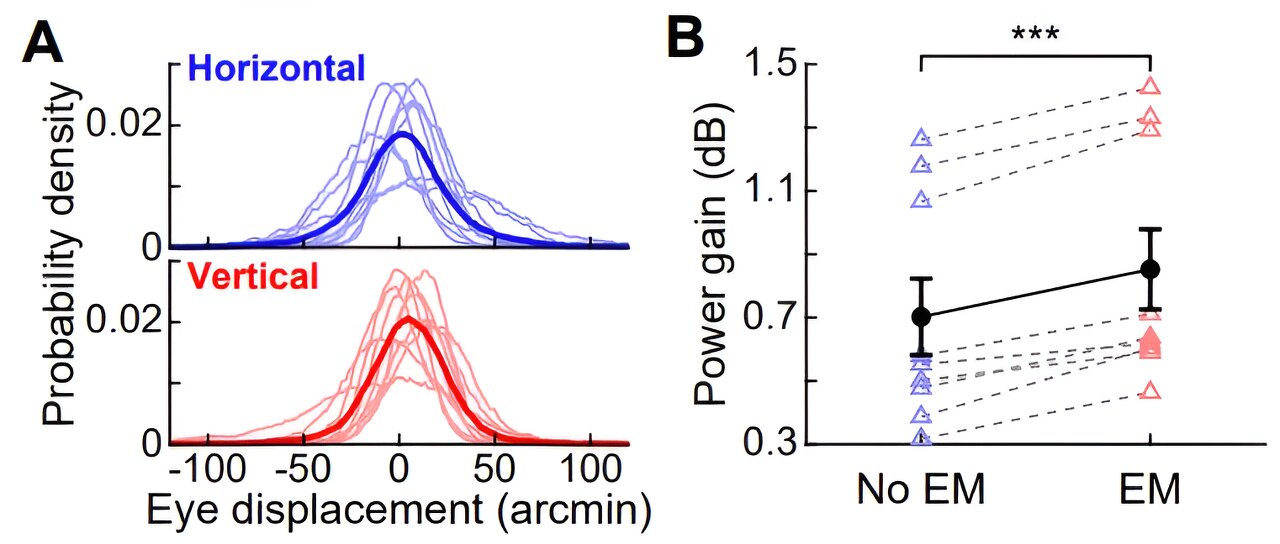
    Credit: Psychological Bulletin (2023)

    A new study has provided the first clear picture of where language processes are located in the brain. The findings may be useful in clinical trials involving language recovery after brain injury.

    Researchers have developed a model for studying one type of familial epilepsy, opening the door to understanding—and eventually targeting—the mechanisms that lead to the disorder and its associated fatalities.

    A new study published in Nature Medicine sheds light on how biological sex influences brain function and its impact on the risk of various brain-related diseases.

    A breakthrough technique developed by University of Oxford researchers could one day provide tailored repairs for those who suffer brain injuries. The researchers have demonstrated for the first time that neural cells can be 3D-printed to mimic the architecture of the cerebral cortex.

    A research team has identified new potential treatments for children with rare genetic conditions of blood vessels, which cause severe, symptoms like seizures and impaired development.

    Scientists have discovered new insights into how our brain stores episodic memories—a type of long-term, conscious memory of a previous experience—that could be critical to the development of new neuroprosthetic devices to help patients with memory problems, like Alzheimer’s disease and dementia.

    A global blood test for concussion could be a step closer after a new study discovered specific proteins or biomarkers that can help diagnose concussions relatively quickly and accurately.

    The brain circuitry that is disrupted in Alzheimer’s disease appears to influence memory through a type of brain wave known as theta oscillation, a team led by UT Southwestern Medical Center researchers report. The findings, published in Nature Communications, could help researchers design and evaluate new treatments for Alzheimer’s, a condition that affects millions of people around the globe and has no cure.

    Finally this week, a new study reveals the role of vascular system cells—pericytes—in the formation of long-term memories of life events—memories that are lost in diseases such as Alzheimer’s disease.