Weekly Neuroscience Update

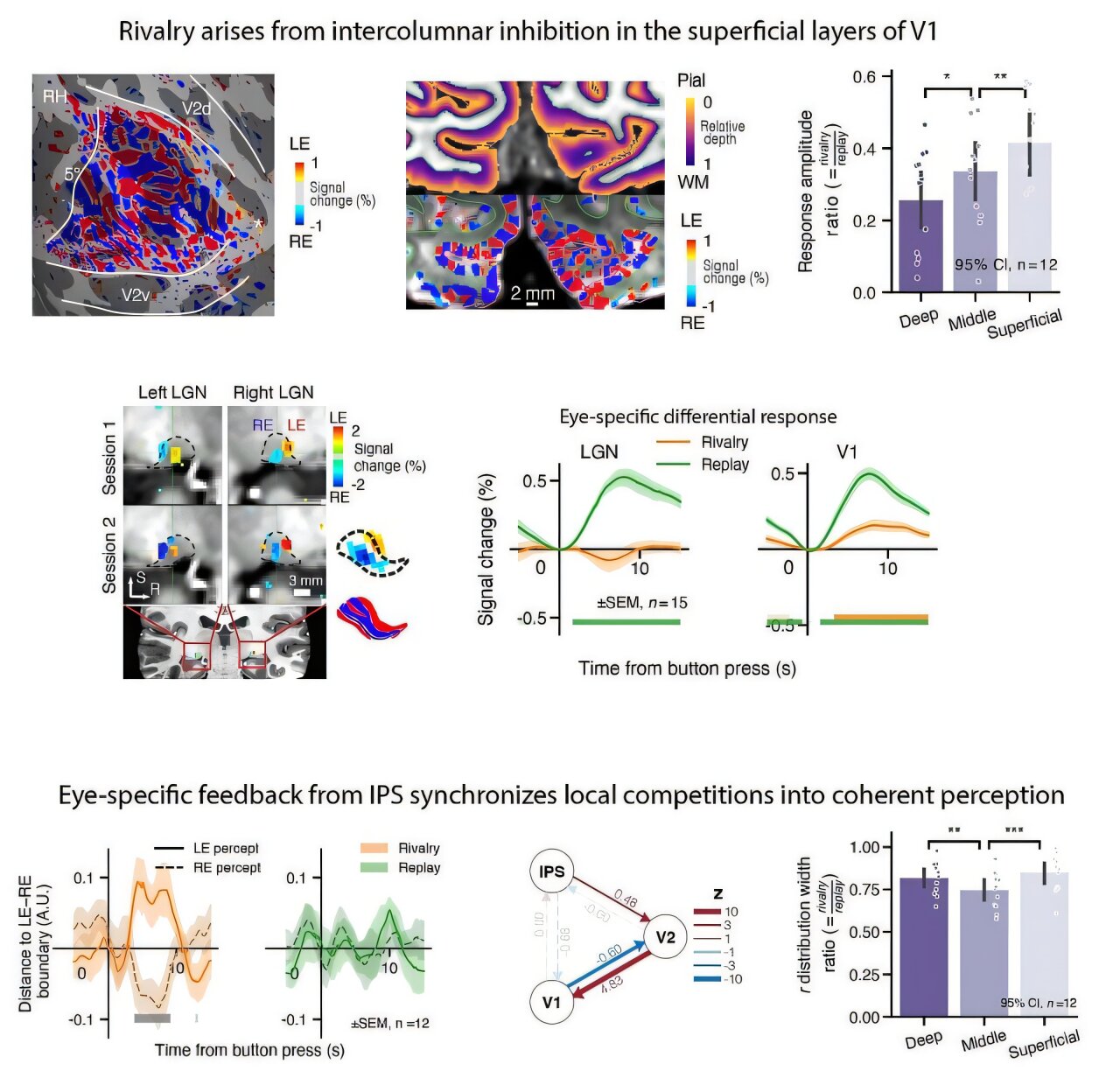
Mesoscale neural mechanisms of binocular rivalry in humans. Credit: Zhang Peng’s group

A research group has revealed how the human brain resolves perceptual conflicts and generates conscious perception through local inhibition in the sensory cortex and feedback integration from the parietal cortex.

A new clinical trial shows that deep brain stimulation (DBS) improved symptoms in half of adults with treatment-resistant depression, with one-third reaching remission.

A large-scale analysis of nearly 1,900 children found that those with a family history of substance use disorder show early differences in how their brains transition between activity states, long before any drug exposure. Girls with a family history showed increased transition energy in introspective networks, suggesting greater difficulty shifting out of internal, stress-linked states.

New research shows that spontaneous eye blinks naturally sync to the beat of music, revealing a hidden form of auditory-motor synchronisation that occurs even without conscious movement.

An extensive, two-year study of nearly 12,000 children found that higher screen time at ages 9–10 predicts an increase in ADHD symptoms, independent of a child’s starting symptom level. Brain imaging revealed that heavy screen use is associated with smaller cortical volume and disrupted development in regions critical for attention, cognition, and reward processing.

Researchers have identified five major phases of human brain wiring that unfold from birth to old age, marked by four major turning points at ages 9, 32, 66, and 83.

A new study shows that when two people work together toward a shared goal, their brains begin to process information in increasingly similar ways. Using EEG recordings, researchers found that while all participants showed similar early responses to visual patterns, only collaborating pairs developed sustained neural alignment linked to the rules they agreed upon.

A large analysis of more than 11 million medical records found that people with untreated obstructive sleep apnea face a substantially higher risk of developing Parkinson’s disease over time.

New research has revealed that Parkinson’s disease causes significant and progressive changes to blood vessels in the brain, changing our understanding of the disease which may lead to new treatment methods.

Diesel exhaust particles disrupt the function of the brain’s immune cells, a new study shows.

Researchers have developed a “virtual clinical trial” exploring a unique pharmacological treatment in patients who do not fully regain consciousness after a coma. The proposed treatment involves employing psychedelic drugs, such as psilocybin and lysergic acid diethylamide (LSD) that have intense, consciousness-altering effects in healthy volunteers.

A new meta-analysis shows that lithium supplementation does not significantly slow cognitive decline in people with mild cognitive impairment or Alzheimer’s disease.

New research shows that young adults with obesity already display biological patterns associated with liver stress, chronic inflammation, and early neural injury—changes typically seen in older adults with cognitive impairment. Participants with obesity also had unusually low blood choline levels, a nutrient critical for liver function, inflammation control, and long-term brain health.

A new study demonstrates that an AI assistant can conduct psychiatric assessment interviews with greater diagnostic accuracy than widely used mental health rating scales.

New brain imaging research shows that structural damage in schizophrenia spectrum disorders may begin in specific “epicenter” regions before spreading across connected brain networks. Individuals with the condition showed widespread reductions in structural similarity between key cognitive and emotional brain regions.

Finally, this week, researchers are exploring whether a person’s genetic risk for depression can help predict how multiple sclerosis (MS) progresses.
Weekly Neuroscience Update

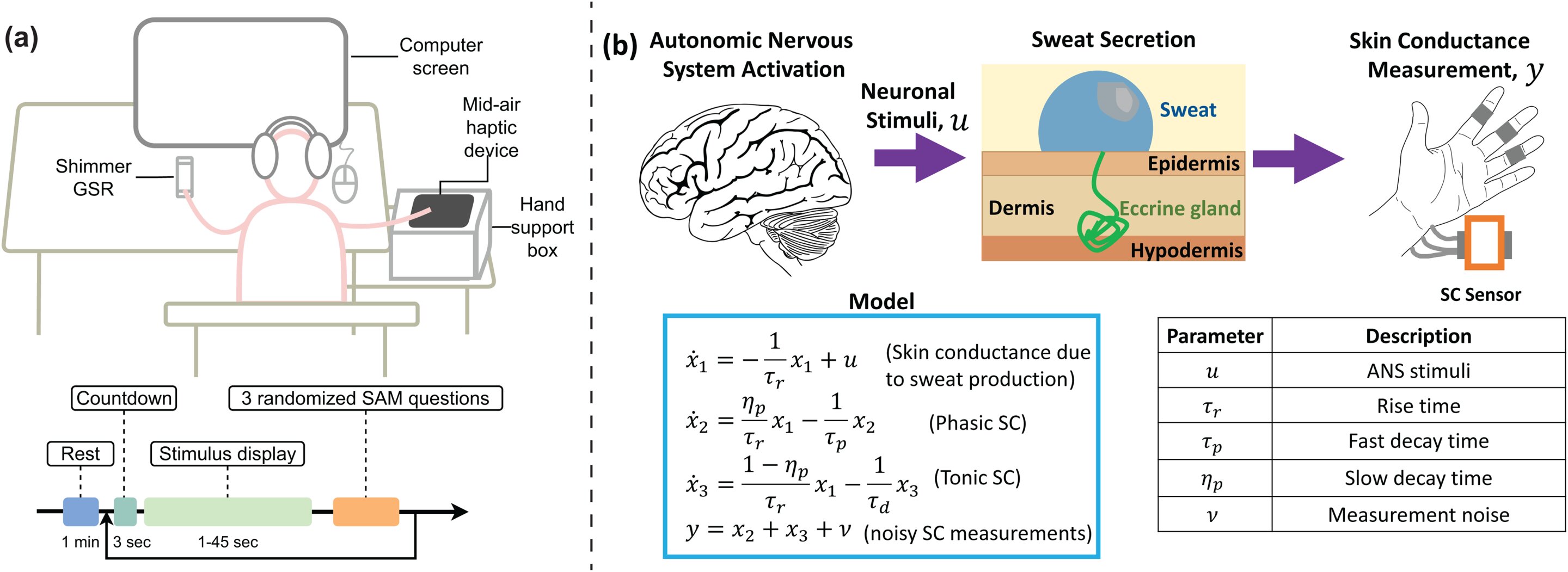
Credit: PLOS Mental Health (2025). DOI: 10.1371/journal.pmen.0000463

A recent study explores how physiological signals can reveal cognitive arousal—the level of mental alertness and emotional activation—without relying on subjective reporting.

New research reveals that women with long COVID show distinct biological disruptions — including gut inflammation, anaemia, and abnormal hormone levels — that may explain their heightened and persistent symptoms. These findings emerged from immune, biomarker, and genetic analyses in people one year after infection.

A new software enables brain simulations which both imitate the processes in the brain in detail and can solve challenging cognitive tasks. 

University of Auckland researchers report that an 8-week, twice-weekly LSD microdosing regimen for major depressive disorder was feasible and well-tolerated, with Montgomery-Åsberg Depression Rating Scale (MADRS) scores reduced by 59.5% at the end of treatment and sustained to six months.

Dance styles engage the brain in different ways depending on the movements, aesthetics, and emotions associated with the dance, according to a study published in Nature Communications.

New research shows that depression beginning before age 25 has a much stronger hereditary component than depression that emerges later in life. By analysing genetic data from over 150,000 people with depression, researchers identified distinct genetic regions linked specifically to early-onset cases.

Scientists have developed an innovative, non-invasive brain stimulation therapy to significantly improve visual function in stroke patients who have suffered vision loss following a stroke.

A rare intracranial brain-recording study revealed that tirzepatide, a GLP-1 and GIP receptor agonist, temporarily silences craving-related neural activity in a key reward circuit of the brain. Researchers observed that the drug initially shut down signaling in the nucleus accumbens of a patient with treatment-resistant obesity. However, after five months, both the “food noise” and the corresponding neural patterns returned, suggesting the effect was short-lived. The findings highlight how these metabolic drugs influence human brain circuits and underscore the need for more durable treatments targeting impulsivity in eating disorders.

Researchers report that ketogenic diets are associated with modest reductions in depressive symptoms in adults, while evidence for anxiety remains uncertain.

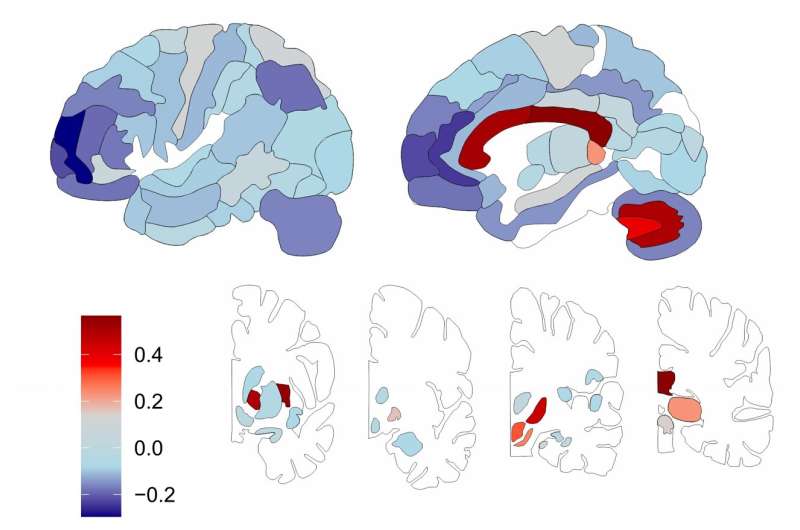
An international study has uncovered similar structural changes in the brains of young people diagnosed with anxiety disorders, depression, ADHD and conduct disorder, offering new insights into the biological roots of mental health conditions in children and young people.

A randomised, placebo-controlled trial shows that cannabis with active THC reduces immediate alcohol cravings and lowers drinking levels in heavy-drinking young adults.

New research shows that the brain distinguishes between “what an odour is” and “how it feels,” processing them at different times. After smelling, the brain sends a quick signal that identifies molecular features for differentiation.

“Drains” in the brain, responsible for clearing toxic waste in the organ, tend to get clogged up in people who show signs of developing Alzheimer’s disease, a new study shows.

Researchers have discovered how the brain keeps time for precise movements, revealing a neural “hourglass” mechanism between the motor cortex and striatum. The motor cortex sends timing signals that accumulate in the striatum until they reach a threshold that triggers action.

Finally this week, a new brain imaging study reveals that music activates the same chemical system in the brain that is responsible for the pleasure associated with food and social bonding. 

Weekly Neuroscience Update

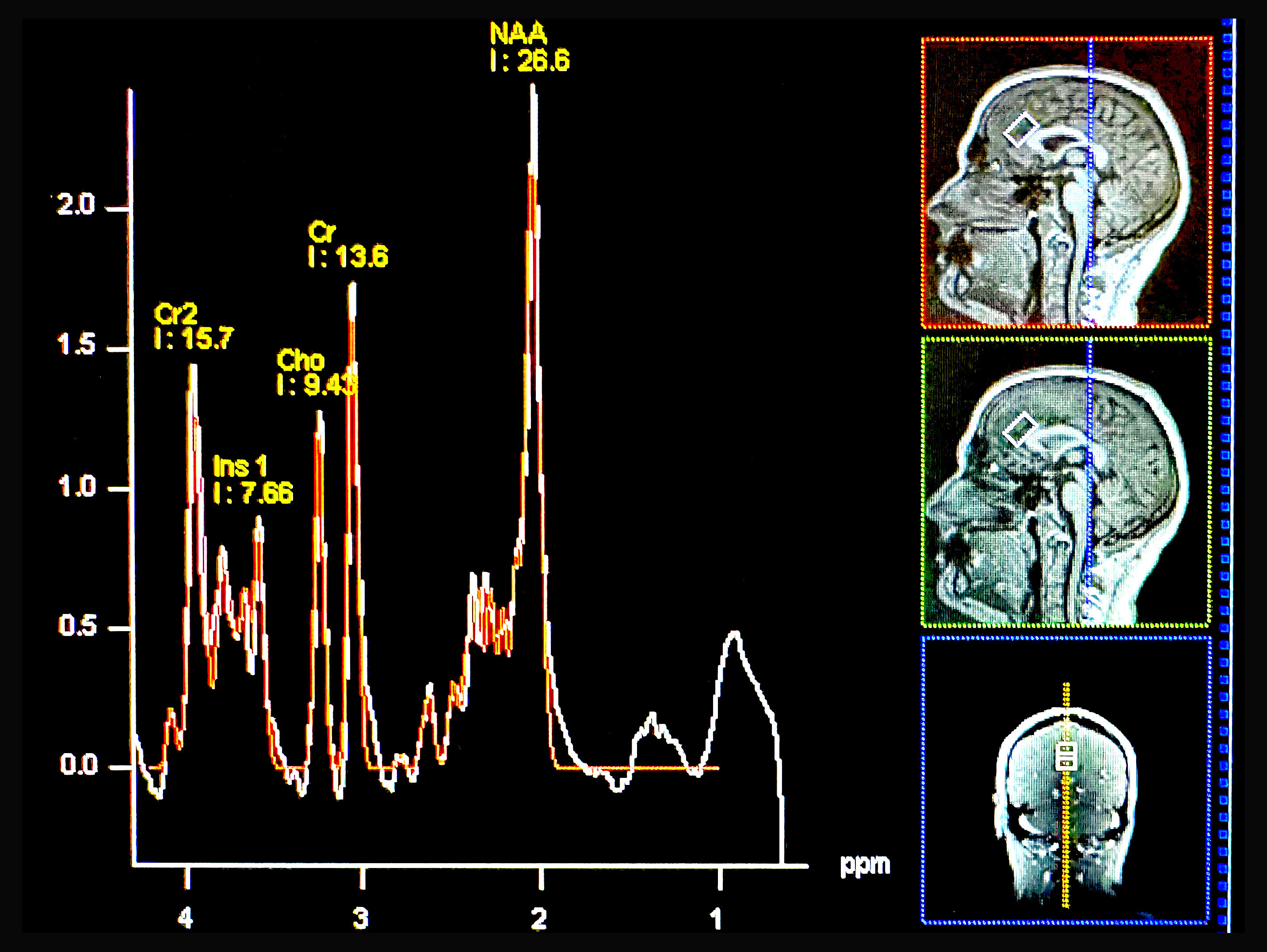
A non-invasive imaging technique, 1H-MRS, can detect chemicals in different parts of the brain. Choline is represented by “Cho” in the above graph. Credit: UC Regents

A new study shows that people with anxiety disorders tend to have lower levels of a chemical called choline in their brains compared to people without anxiety. Choline is a nutrient that plays an important role in brain function. It helps produce acetylcholine, a neurotransmitter involved in memory, mood regulation, and muscle control. It’s also a component of cell membranes, helping brain cells communicate efficiently.

Researchers have developed a highly sensitive diagnostic that predicts a person’s stage of dementia based on neurovascular and metabolic changes.

The way we speak in everyday conversation may hold important clues about brain health, according to a new study that found that subtle features of speech timing, such as pauses, fillers (‘uh,’ ‘um’) and word-finding difficulty, are strongly linked to executive function, the set of mental skills that support memory, planning and flexible thinking. 

ADHD symptoms are influenced by socioeconomic factors in regions affected by conflict and resource limitations, a new study focusing on non-Western populations has found.

Infants born deaf or hard of hearing show adverse changes in how their brains organise and specialise, which can significantly affect their cognitive and linguistic development. However, recent studies indicate that timely exposure to sound and language, even in modified forms, can considerably help these children develop more normally and bridge the gap in their learning processes.

A research team has discovered extensive genetic links between neurological disorders like migraine, stroke and epilepsy, and psychiatric illnesses such as schizophrenia and depression.

New research reveals that trait shyness is linked to reduced spontaneous neural activity in the cerebellum, a brain region traditionally associated with motor control but increasingly recognised for its role in emotion and social cognition.

Scientists have developed the most detailed molecular map yet of how the brain develops and reacts to inflammation, revealing that disease processes can “reawaken” genes from early life.

A new brain decoding method called mind captioning can generate accurate text descriptions of what a person is seeing or recalling—without relying on the brain’s language system. Instead, it uses semantic features from vision-related brain activity and deep learning models to translate nonverbal thoughts into structured sentences.

Researchers have found that living in a socioeconomically deprived neighbourhood can harm brain health as early as midlife.

A new study reveals that autism symptom severity correlates with shared brain-connectivity patterns in children with autism or ADHD. Stronger autistic traits are linked to increased connectivity between frontoparietal and default-mode networks, which are vital for social cognition and executive functions.

Mayo Clinic researchers have developed a new tool that can estimate a person’s risk of developing memory and thinking problems associated with Alzheimer’s disease years before symptoms appear.

Using full-genome sequencing data from more than 347,000 individuals, researchers have quantified how much genetic variation explains human traits such as height, body mass index, fertility, and disease risk. The results show that genes account for roughly 30% of the variation between individuals, with higher estimates for traits like height and lower for fertility.

Finally this week, a large-scale study of more than 86,000 Europeans found that speaking multiple languages may help slow biological and cognitive aging. 

Weekly Neuroscience Update

Distribution of cholesterol in the human brain. Credit: Maria Osetrova

Scientists have found that 93% of the lipids in brain tissue are distributed differently in the white and gray matter, the subcortex, the visual and motor cortices, and the prefrontal cortex, which is responsible for decision-making, social behavior, and other functions.

Researchers have shown how glial cells are reprogrammed into neurons via epigenetic modifications.

Young adults who have higher levels of inflammation, which is associated with obesity, physical inactivity, chronic illness, stress and smoking, may experience reduced cognitive function in midlife, a new study has found.

A paper recently published in Nature Communications advances our understanding of how the brain responds to emotionally charged objects and scenes.

A new study finds that higher inflammation in young adulthood is associated with reduced cognitive function in midlife. Inflammation due to factors like obesity and smoking can impact memory and processing speed. This link, previously noted in older adults, now extends to early adulthood, suggesting long-term brain health effects. Reducing inflammation through lifestyle changes may help prevent cognitive decline.

Researchers have discovered why migraines are often one-sided, revealing that proteins released during aura are carried to pain-signaling nerves via cerebrospinal fluid.

A recent study has pinpointed brain regions associated with mood fluctuations and pleasure responses in bipolar disorder. The findings revealed that people with bipolar disorder show heightened activity in the ventral striatum during rewards, explaining extreme mood shifts.

In groundbreaking research, scientists have determined the structure of molecules within a human brain affected by Alzheimer’s disease. 

A global research team has discovered a gene whose variants potentially cause neurodevelopmental disorders (NDDs) in hundreds of thousands of people across the world. The findings published in Nature, are an exciting first step towards the development of future treatments for the disorders which have devastating impacts on learning, behavior, speech, and movement.

A longitudinal study has found that high-intensity interval exercise improves brain function in older adults for up to five years.

A new research collaboration has harnessed a powerful machine learning model to predict concussion status in patients.

A new study shows that human biases in handedness and visual field processing have social and cognitive implications. Researchers found that people with a reversed bias (left hand, right visual) are more likely to have social difficulties and conditions like autism or ADHD.

A recent study sheds light on how the brain adapts hearing in different listening situations.

Finally this week, a study investigating the effect of sleep on brain performance has found a link between an individual’s preference for morning or evening activity and their brain function, suggesting that self-declared “night owls” generally tend to have higher cognitive scores.

Weekly Neuroscience Update

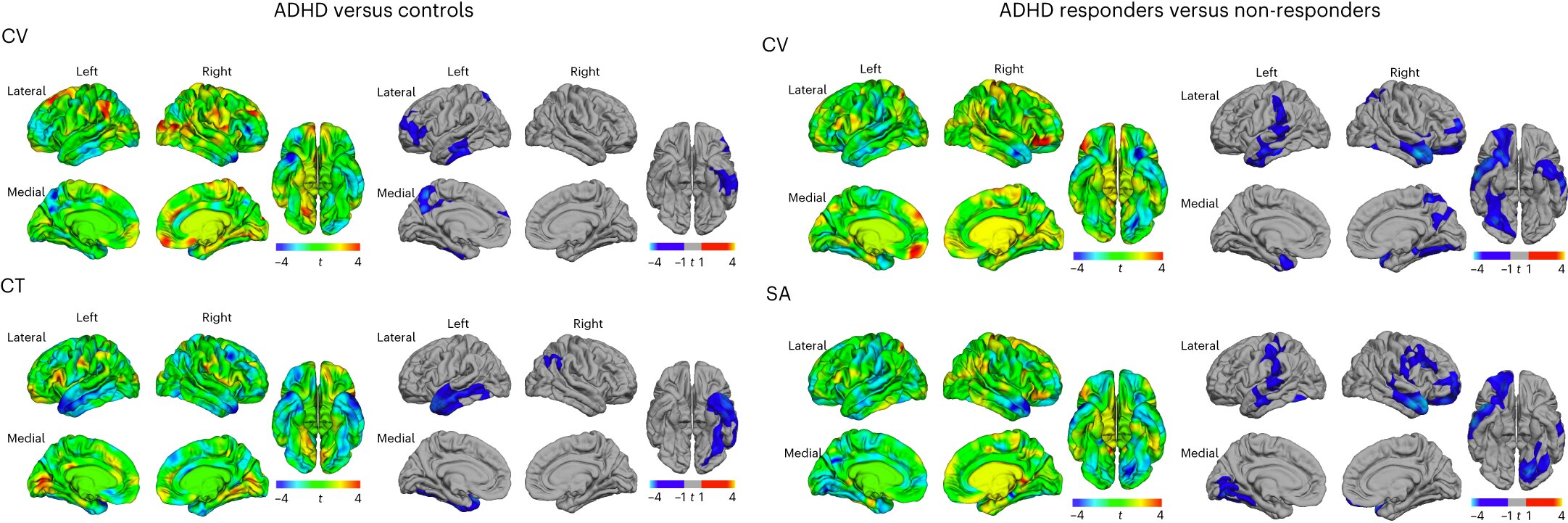
Vertex-wise comparisons between ADHD (N = 60) and controls (N = 23), and between ADHD responders (N = 42) and non-responders (N = 18). Credit: Nature Mental Health (2024).

New research has found that the effectiveness of ADHD medication may be associated with an individual’s neuroanatomy.

Although there are still some aspects pending confirmation for its use in the clinical setting, and its resolution needs to be improved slightly, a new study has shown that a method routinely used to carry out ophthalmological tests can also be used to monitor the neurodegeneration that occurs in Parkinson’s patients.

Scientists have uncovered a mechanism in the brain that allows cocaine and morphine to take over natural reward processing systems.

New research has identified a specific pattern of autoantibodies in the blood that precedes the clinical onset of multiple sclerosis (MS), potentially paving the way for early diagnosis and treatment. Their study found that 10% of MS patients displayed a unique set of autoantibodies against both human proteins and common pathogens like the Epstein-Barr Virus years before showing symptoms.

Researchers have identified a promising new approach to treating persistent neurological symptoms associated with Lyme disease.

A new study investigates why everyday actions like locking a door are often forgotten. The study revealed that while emotionally charged or unique events are initially memorable, even these can fade within 24 hours, particularly positive experiences. This research provides insight into the selective nature of memory and suggests that our brains prioritize and even forget information to manage cognitive load.

Managing a stroke patient’s blood sugar levels after they receive powerful clot-busting drugs might help them survive their health crisis, a new trial finds.

Researchers have created a thin film that combines an electrode grid and LEDs that can both track and produce a visual representation of the brain’s activity in real time during surgery. The device is designed to provide neurosurgeons with visual information about a patient’s brain to monitor brain states during surgical interventions to remove brain lesions including tumors and epileptic tissue.

A new study identifies a new metric for diagnosing autism.

New research has found a significant association between participating in low to moderate intensity exercise and reduced rates of depression.  However, this was not strongly observed for high-intensity exercise. Physical activity was also significantly associated with reduced risk of severe mental health conditions, including a reduction in psychosis/schizophrenia by 27%.

An international collaborative research team has discovered a novel mechanism underlying memory involving rapid changes in a specific DNA structure.

People who take acid-reducing drugs may have a higher risk of migraine and other severe headache than people who do not take these medications, according to a study published in the online issue of Neurology Clinical Practice

Finally this week, new research has highlighted the profound link between dietary choices and brain health.

Weekly Neuroscience Update

A study of brain function in cosmonauts reveals how the brain’s organization changes after an extended period in space, demonstrating the adaption required to live in a weightless environment.

Researchers are turning to artificial intelligence to find novel drugs that can block kappa opioid receptors with the hope to alleviate opioid addiction. The kappa opioid receptor is a protein in the brain that plays a role in pain management and addiction. When opioids bind to this receptor, it can produce a range of effects, including pain relief, as well as addiction and dependence.

Adults with high levels of attention-deficit hyperactivity disorder (ADHD) symptoms are more likely to experience anxiety and depression than adults with high levels of autistic traits, according to new research.

Scientists studying sleep difficulties have now published data in Frontiers in Neuroscience that shows that, even in an urban population experiencing disrupted sleep, humans experience longer REM sleep in winter than in summer and less deep sleep in autumn.

Regardless of the game type or length of time a child plays a video game, there is no correlation with a decline in cognitive ability, a new study reports.

Researchers have identified the in-vivo dynamics of synapses that underlie fear memory formation and extinction in the living brain. Fear memory formation and extinction are complex processes that involve changes in the connections between neurons, or synapses, in the brain. Understanding these processes at the level of individual synapses can provide important insights into the neural mechanisms of fear and anxiety disorders.

New research has found that children with conduct disorders exposed to maltreatment showed far more extensive changes in brain structure compared to children with conduct disorders who were not mistreated.

While kleptomania meets the criteria of addiction and is classified as a “Disruptive, Impulse-Control, and Conduct Disorder” by the American Psychiatry Society, few studies of the condition have been published to date. Now a team of researchers has recently found that patients with kleptomania exhibit distinct patterns of gazing and brain activity when shown images with environmental cues relevant to their symptoms. Such characteristics were not observed in healthy subjects.

Finally this week, researchers who examined the relationship between making music and mental health have found that musically active people have, on average, a slightly higher genetic risk for depression and bipolar disorder.

Weekly Neuroscience Update

Intriguing new research has pinpointed a special population of T cells—tissue-resident memory T cells—as key players in the development of chronic autoimmune disorders that affect the central nervous system, opening a new window of understanding into conditions such as multiple sclerosis and many others.

New research shows emotional regulation was linked to theta wave activity in the frontal cortex of the brain.

Researchers have recently carried out a study investigating the relationship between age and the functional coupling between specific neural networks in the brain. Their paper, published in Psychology and Aging, shows that the connectivity between certain brain regions can predict people’s chronological age with a high level of accuracy.

Men who experience behavior changes including apathy or having false beliefs and perceptions in later life are at risk of faster cognitive decline than women, according to new research. 

A new study shows that children younger than their classmates within a school year are more likely to be treated for Attention Deficit Hyperactivity Disorder (ADHD), suggesting immaturity may influence diagnosis.

Finally this week, researchers have identified a novel gene called MGMT that appears to increase Alzheimer’s disease risk in women.

Weekly Neuroscience Update

Researchers have developed a new method of measuring axons using MRI neuroimaging.

People with autism spectrum disorder (ASD) appear to suffer malfunctions in a cell that produces a special coating around nerve fibers that facilitates efficient electrical communication across the brain. 

New findings about dopaminergic neurons in the striatum could have implications for treating Parkinson’s disease and Tourette syndrome.

Researchers have found that it is possible to assess a person’s ability to feel empathy by studying their brain activity while they are resting rather than while they are engaged in specific tasks.

Boys who exhibit inattention-hyperactivity by age 10 have an increased risk for traumatic brain injury later in life.

Combining fMRI and behavioral data, researchers examined gender identity in cisgender and transgender individuals using a new machine learning algorithm. The AI identified at least nine dimensions of brain-gender variation.

New research has provided insights into why people often make unrealistic plans that are doomed to fail.

Finally this week, a new study has found that dopamine — a neurotransmitter that plays an important role in our cognitive, emotional, and behavioral functioning — plays a direct role in the reward experience induced by music. The findings have been published in the Proceedings of the National Academy of Sciences.

Weekly Neuroscience Update

neural-network-communication-neurosciencneews.jpg

How do neural networks in different brain areas communicate with each other? The Bernstein Center Freiburg proposes a new model.

Researchers propose a new model to help explain how the level of activity in neural networks influences the flow of information.

A neurofeedback system enables Parkinson’s disease patients to voluntarily control brainwaves associated with symptoms of the disorder, according to new research published in eNeuro.

One night of sleep loss can increase the desirability of junk foods, finds a study of healthy weight young men published in Journal of Neuroscience.

When two events occur within a brief window of time they become linked in memory, such that calling forth the memory of one helps retrieve memory for the other event, according to research published in Psychological Science. This happens even when temporal proximity is the only feature that the two events share.

Researchers have identified specific diffusible molecules that are essential for boundary formation in the brain.

Scientists report that neuron loss in Alzheimer’s disease may not be such a bad thing. The study reveals the loss of neurons may be the result of a cell quality control mechanism attempting to protect the brain from the accumulation of malfunctioning neurons.

A new study reveals passive exposure to foreign speech sounds over the course of several consecutive days helps enhance language learning.

People with Huntington’s disease who participated in intellectually stimulating activities had less brain atrophy than those with the disease who did not take up such activities.

Finally this week, boys with good motor skills are better problem-solvers than their less skillful peers, a new study from Finland shows. 

Weekly Neuroscience Update

2-discoveryofn.jpg

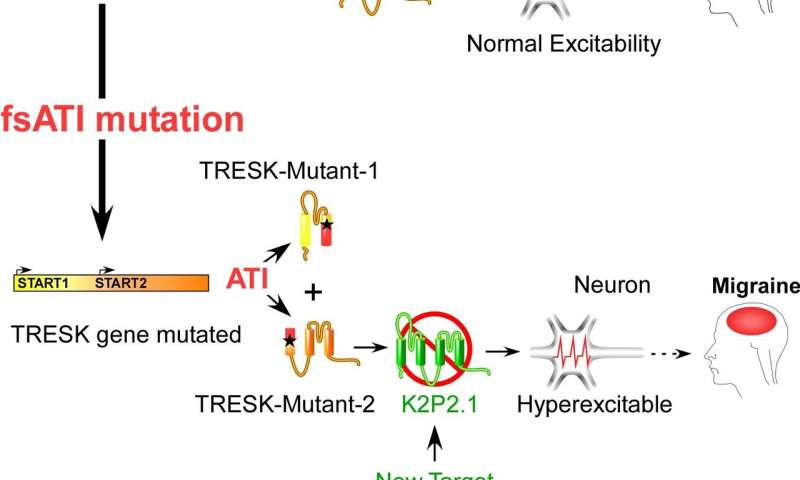
Image Credit: Guillaume Sandoz, CNRS

Researchers at CNRS, Université Côte d’Azur and Inserm have demonstrated a new mechanism related to the onset of migraine. In fact, they found how a mutation, causes dysfunction in a protein which inhibits neuronal electrical activity, induces migraines. These results, published in Neuron on Dec. 17, 2018, open a new path for the development of anti-migraine medicines.

Scientists using eye tracking software, report what we look at helps guide our decisions when faced with two visible choices.

A new study reports children and teens who face chronic bullying have altered brain structure, as well as problems with anxiety and depression. Researchers found those who were bullies had structural changes to the putamen and caudate, contributing to the development of anxiety related behaviors and emotional processing.

Researchers have identified specific neurons in the medial prefrontal cortex, called self-monitoring error neurons, that fire immediately after people make a mistake.

New findings show how alcohol influences dopaminergic and inhibitory neurons in the ventral tegmental area. The findings could help develop new treatments for alcohol dependence.

A diet of fast food, cakes and processed meat increases your risk of depression, according to a new study.

Scientists who recently identified the molecular start of Alzheimer’s disease have used that finding to determine that it should be possible to forecast which type of dementia will develop over time – a form of personalized medicine for neurodegenerative diseases.

A new study reports lightly stroking an infant, at a speed of 3 centimeters per second, can help to provide pain relief prior to medical procedures.

Researchers have identified cognitive subgroups related to genetic differences in Alzheimer’s patients. The findings could open the door for more personalized treatments of the neurodegenerative disease.

A previously unknown brain mechanism that regulates anxiety has come to light. It allows a gene-altering protein to enter the nucleus of brain cells.

Finally this week, researchers discovered activity in brain regions involved in reward response from dopamine was higher in subjects injected with the hormone ghrelin, but only when responding to images associated with food smells. The study reports ghrelin controls the extent to which the brain associates reward with food odors.