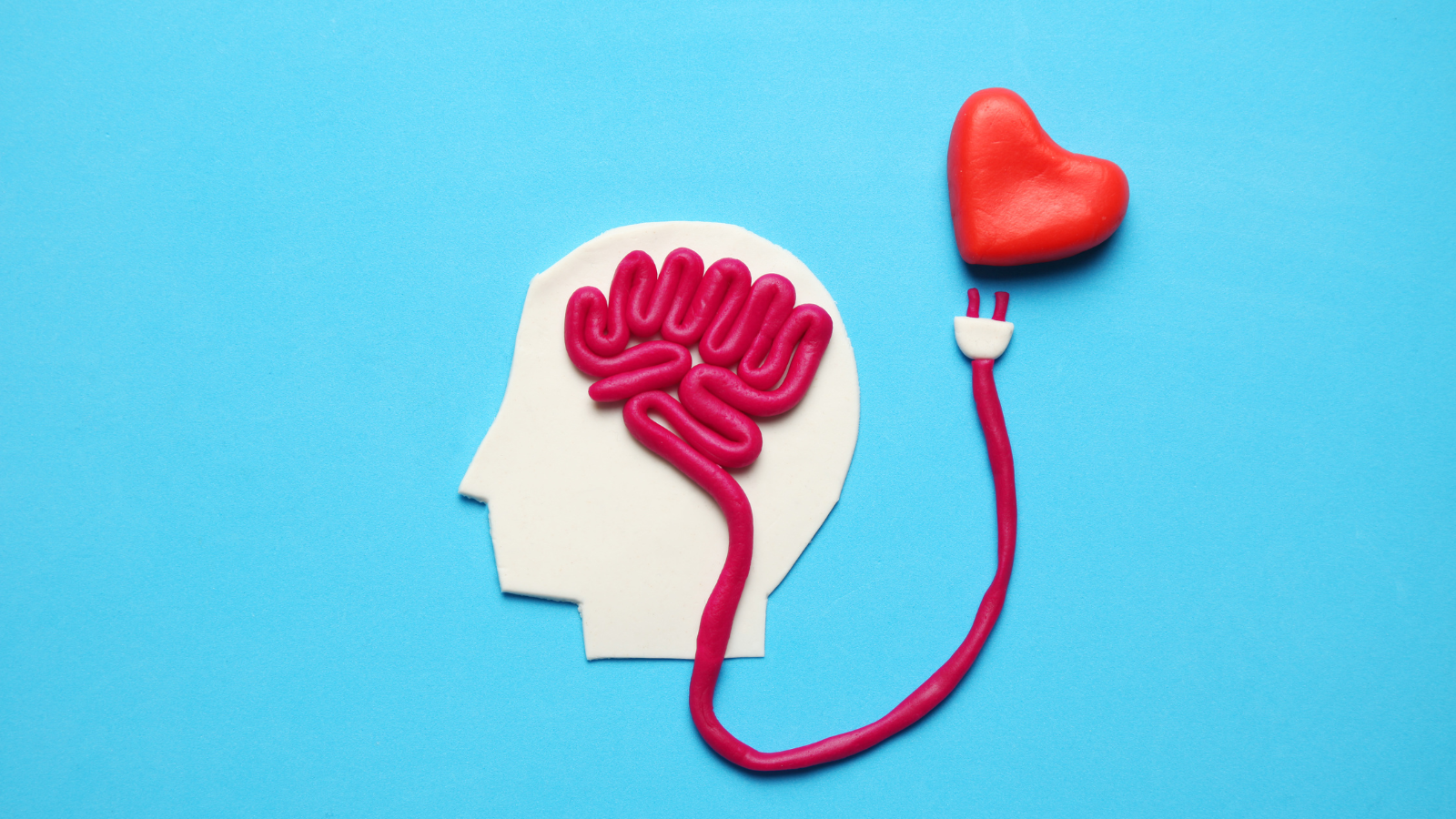
Throughout history, love has captivated human beings as a complex and powerful emotion. From Shakespeare’s poetic verses to the modern scientific exploration of the brain, the phenomenon of falling and being in love has been a subject of fascination. As neuroscience advances, researchers are now able to peer into the workings of the brain and understand the chemical and neural processes involved in love.
The Chemistry of Love
At the heart of the love experience is a cocktail of chemicals that shape our emotions. Dopamine, a neurotransmitter known as the “feel-good” chemical, floods the brain in the initial stages of attraction. This surge in dopamine is responsible for new love’s euphoric feelings.
Another key player is oxytocin, known as the “love hormone” or “cuddle hormone.” Intimacy, bonding, and physical touch release oxytocin, which fosters trust between partners and deepens emotional connections.
Love is also governed by serotonin, a neurotransmitter that affects mood and happiness. Serotonin levels can fluctuate when we are in love, affecting our mood and affecting how we experience emotion.
The Role of the Brain
Neuroimaging studies using techniques like functional magnetic resonance imaging (fMRI) have provided valuable insights into the brain regions involved in the experience of love. The ventral tegmental area (VTA), a region associated with reward and motivation, becomes highly active, releasing dopamine and contributing to the pleasurable sensations of love.
The caudate nucleus, part of the brain’s reward system, is also implicated in romantic love. Studies have shown increased activity in the caudate nucleus when individuals view pictures of their loved ones, indicating its role in the reinforcement of romantic attachment.
The Impact of Love on Cognitive Function
Interestingly, being in love has been shown to influence cognitive function. Research suggests that individuals in the early stages of romantic love may experience impaired concentration and obsessive thinking about their beloved. This heightened focus on the object of affection is believed to be a result of increased activity in the prefrontal cortex, a region associated with decision-making and personality expression.
Long-Term Love and Attachment
As relationships progress, the dynamics of love evolve. Long-term love and attachment are associated with the release of oxytocin, fostering a deeper connection between partners. The brain’s reward system continues to play a role, but the nature of the reward shifts from the thrill of new love to the comfort and security of a stable, committed relationship.
Watch this interesting TED talk for more on this topic.
 inside-the-brain.com