Weekly Neuroscience Update

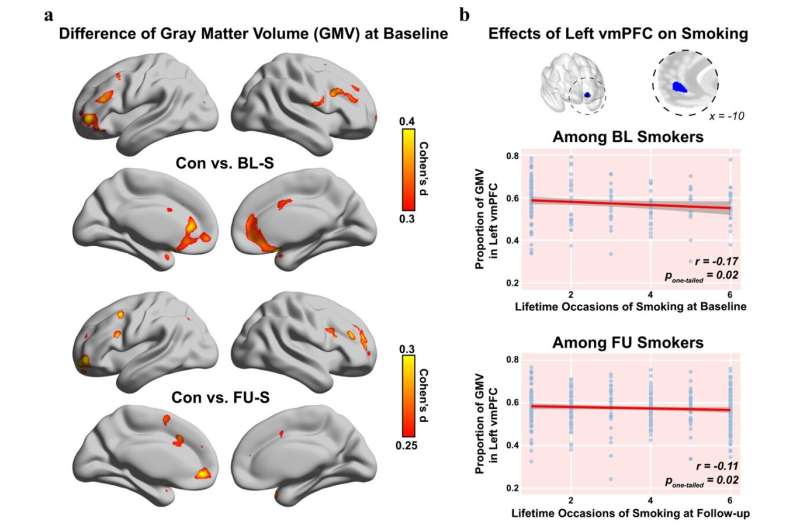
Smaller Left vmPFC was associated with future smoking. Credit: Nature Communications (2023)

Levels of gray matter in two parts of the brain may be linked to a desire to start smoking during adolescence and the strengthening of nicotine addiction, a new study has shown.

Researchers have enabled machine learning to accurately predict Parkinson’s disease subtypes using stem cell images. This breakthrough showcases computer models classifying four Parkinson’s subtypes, with top accuracies reaching 95%. This could revolutionize personalized medicine and aid in more targeted drug research for Parkinson’s.

A large international team of medical researchers has found that the severity of COVID-19 infections in children over the course of the pandemic varied by age and viral variant.

Researchers have illuminated how our brain maintains focus amidst distractions. Their study identifies “visual-movement” neurons in the lateral prefrontal cortex (LPFC) that use coordinated activity called “beta bursts” to suppress distracting stimuli and ensure attention remains on rewarding tasks. This discovery gives a deeper understanding of cognitive focus and offers insights into disorders like ADD and OCD.

More cases of children born with abnormal brain development may have genetic explanations than previously thought, according to a recent study published in JAMA Neurology.

Hearing impairment may cause difficulties in social interactions, but new research indicates that social struggles experienced by deaf individuals are likely not due to brain alterations, but rather due to non-supportive environments.

Scientists have identified a series of processes that help the brain adapt to damage caused by breakdowns in circuits that govern movement, cognition and sensory perception.

For the first time, researchers have discovered that the ventral tegmental area (VTA) of the brain—a key structure involved in motivation and reward appreciation—has altered connectivity patterns with specific brain regions in patients with obesity. Individuals with obesity have hyper-connectivity of the VTA with part of the ventral occipitotemporal cortex (visual processing for food images) and hypo-connectivity with the left inferior frontal gyrus (associated with cognitive control), according to a new study in Obesity.

Researchers have identified a key pathway, involved in inflammation, which appears to be activated in people with long COVID who have symptoms of “brain fog.”

Using a novel approach of precision neuroimaging and high-resolution functional magnetic resonance imaging (fMRI), a team of neuroscientists and physicists have discovered previously unknown cortical networks and shed light on the anatomical organization of the human memory system.

A pioneering scientific study has shown that the effects of multiple concussions in rugby players continue to have an impact on their brain even in retirement. 

Researchers have coupled the measurements of brain waves associated with disorders of consciousness (DoC) with glucose usage in specific brain areas, identifying where in the brain the waves might be generated.

A new study shows that brains with Alzheimer’s disease have subnormal levels of important dietary antioxidants.

A breakthrough project mapping brain changes in nearly 1,300 people diagnosed with six different types of mental illness has revealed the extraordinary diversity of brain changes found in people with conditions like major depression and schizophrenia.

Researchers have unveiled a promising link between adult education and reduced dementia risk. 

Neuroscientists have shown that adversities permanently change the functioning of the brain. Furthermore, an aberrant reaction of the brain to adversities is related to anxiety symptoms. This may have predictive value for the development of psychiatric disorders.

Finally this week, a new study identifies sex differences in the brain cell types responding to stress.
Unraveling the Intricacies of Working Memory and Cognitive Processing

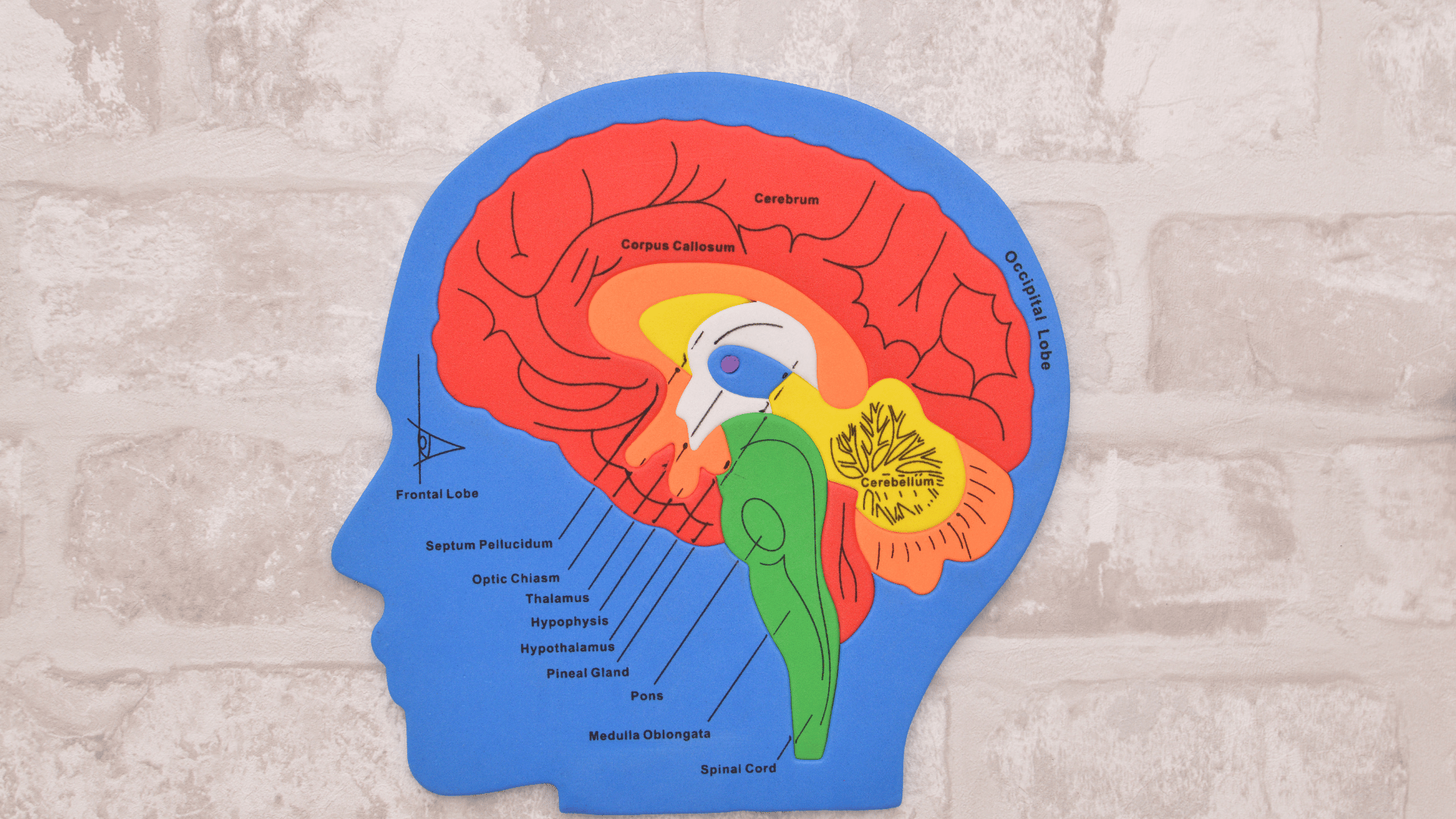
When we engage our working memory, we temporarily retain information in our brain. A team of researchers has now demonstrated that the key to understanding working memory relies not only on what one is storing in memory but also why – highlighting the “working” aspect of working memory, which underscores the purpose of storing information in the first place. Specifically, the study focuses on both how we store the visual properties of our memories in the occipital lobe, where our visual system resides, and on how the neural codes that store those memories change over time as people begin to prepare a response that depends on the memory.

In the study, the response simply required people to look where they remembered an object that disappeared several seconds ago. This sheds light on the intricate interplay between memory formation and the cognitive processes that guide our actions. As you read this sentence, for example, your working memory holds the words temporarily, and this could influence how you interpret the information and potentially respond to it. The importance of working memory to many of our cognitive abilities is well known, but less clear are the neurological machinations driving this process.

According to conventional textbook theories, the encoding patterns within our working memory remain constant over time. This signifies that the neural activity pattern responsible for storing a specific visual memory remains unchanged from its initial encoding, regardless of whether it’s been a mere second or a substantial 10 seconds. These intricate neural activity patterns serve as the repositories of visual memories, effectively forming a temporal bridge that connects a past stimulus with a forthcoming memory-guided response.

However, recent investigations involving animals have revealed that the neural patterns responsible for memory are notably more fluid. In fact, the stability of memory codes has been brought into question, as they seem to exhibit perplexing changes over time.

To delve into this phenomenon, researchers Li and Curtis, known for their prior breakthroughs in deciphering the organization of our working memory within the brain, developed innovative techniques. Their goal was to not only quantify the shifting neural dynamics but also to render these dynamics intelligible. To achieve this, they projected intricate neural measurements onto a simple 2D plane, akin to the screen of a laptop or smartphone.

The accompanying video vividly illustrates the progression of neural activity during a working memory trial. Initially, a cluster of activity emerges, encoding the briefly presented visual target (depicted as a pink circle), evident in both the primary visual cortex (V1) and a higher-level visual area (V3AB). In V3AB, this activity cluster remains fixed at the target location throughout the memory retention period. However, within V1, a line of activity evolves during the delay period between the individual’s current gaze direction (indicated by a pink cross) and the intended eye movement after the delay.

The researchers posit that this evolving line represents the projected path of the intended gaze shift that individuals are mentally rehearsing but have yet to execute.

While prior research had documented the dynamic nature of neural activity during working memory, the underlying cause for these dynamics had remained enigmatic. The latest findings help shed light on this puzzle. They suggest that these dynamic neural patterns are manifestations of the transformation of past sensory experiences—what has recently been perceived—into anticipated behaviors guided by memory—what actions might be taken based on that memory.

More information: Clayton E. Curtis, Neural population dynamics of human working memory, Current Biology (2023). DOI: 10.1016/j.cub.2023.07.067www.cell.com/current-biology/f … 0960-9822(23)01039-4

Weekly Neuroscience Update

Scientists have shown that the hypothalamus, a key region of the brain involved in controlling appetite, is different in the brains of people who are overweight and people with obesity when compared to people who are a healthy weight.

Researchers have shown in lab-based experiments that variants of SARS-CoV-2, the virus that causes COVID-19, can affect the blood-brain barrier and damage brain cells in different ways.

Unlike previously thought, speech production and singing are supported by the same circuitry in the brain. Observations in a new study can help develop increasingly effective rehabilitation methods for patients with aphasia.

Scientists have discovered an additional potential cause of the genetic mutations that result in rare conditions such as Huntington’s disease (HD).

Neuroscientists report the first results from experimental tests designed to explore the idea that “forgetting” might not be a bad thing, and that it may represent a form of learning—and outline results that support their core idea.

The largest-ever study of the genetics of the brain—encompassing some 36,000 brain scans—has identified more than 4,000 genetic variants linked to brain structure.

A first-in-human trial of deep brain stimulation (DBS) for post-stroke rehabilitation patients has shown that using DBS to target the dentate nucleus—which regulates fine-control of voluntary movements, cognition, language, and sensory functions in the brain—is safe and feasible.

New research finds that genetic risk for higher blood pressure even in those in their 40s and 50s may contribute to poorer cognitive function.

An obscure class of molecules, part of the vast system that helps the human body distinguish “self” from “non-self,” may also hold the key to stopping SARS-CoV-2 from commandeering healthy cells, scientists have found in a series of experiments.

Scientists have discovered how HIV hijacks intracellular processes to proliferate and contribute to neurodegeneration, according to a new study published in Nature Communications.

Researchers have discovered a potential breakthrough for people with myalgic encephalomyelitis/chronic fatigue syndrome (ME/CFS), marked by extreme exhaustion, post-exertional malaise and cognitive issues.

Finally this week, in a small, exploratory study, levels of certain types of microbes in babies’ guts have been shown to be associated with performance in tests of early cognitive development.

Weekly Neuroscience Update

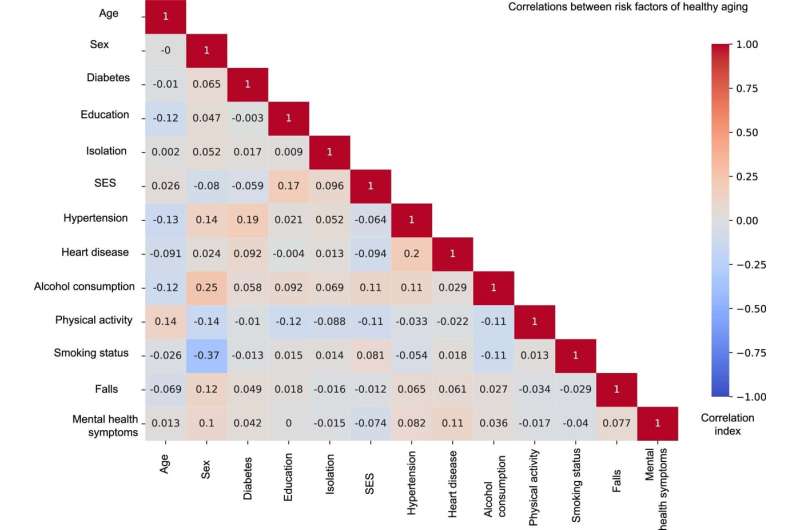
Factors associated with healthy aging in Latin American populations. Credit: Nature Medicine (2023)

Researchers at Trinity College Dublin studying the factors influencing healthy brain aging in Latin American and Caribbean (LAC) countries find the lessons learned there, can also be applied to home.

Immune cells in the brains of people who had Alzheimer’s disease appear to behave differently than those who had healthy brains for their age, according to an analysis of the cells’ gene activity. The finding suggests it might be possible to treat Alzheimer’s disease by altering the behavior of these cells.

The longer a person has type 2 diabetes, the more likely they may be to experience changes in brain structure, a new study finds.

Using human “mini-brain” models known as organoids, scientists have discovered that the roots of autism spectrum disorder may be associated with an imbalance of specific neurons that play a critical role in how the brain communicates and functions. The specific cells are known as excitatory cortical neurons.

Psilocybin, the active ingredient in psychedelic mushrooms, shows promise for the transitional treatment of episodic migraines in early clinical trials, according to a recent review.

Researchers have discovered that a neural marker of error detection in the brain’s visual system previously considered pre-attentive may actually require attention and that subtle visual irregularities may be revealed by other neural markers.

A new study has demonstrated that self-organization of neurons as they learn follows a mathematical theory called the free energy principle.

The neural network related to speech is mostly located in the left cerebral hemisphere, while singing has been primarily associated with the structures of both hemispheres. However, a new study indicates that the left hemisphere has a greater significance, including in terms of singing, than previously thought.

A new digital headset designed to measure alterations in brain function could change decisions about how quickly an athlete is ready to return to play after a concussion.

A new study suggests stimulating the sense of smell can boost memory. Older adults exposed to odors while they slept performed better on verbal memory tests and showed improved function in a brain pathway that supports memory formation, according to the study, published in the journal Frontiers in Neuroscience.

Finally this week, researchers have shown that machine learning can accurately predict subtypes of Parkinson’s disease using images of patient-derived stem cells.

Weekly Neuroscience Update

Credit: Biological Psychiatry: Cognitive Neuroscience and Neuroimaging (2023). DOI: 10.1016/j.bpsc.2023.07.003

Researchers have recently been exploring the potential of psychedelic drugs, such as psilocybin and lysergic acid diethylamide (LSD) for treating depression and other mental disorders. Recent research compared the brains of those who had taken psychedelics to those who meditated or were hypnotized. The researchers found that while some may report similar experiences or feelings under these different states of consciousness, what is happening in their brains is very different. Despite the similarities in brain activity between psilocybin and LSD, the changes they induced were markedly different. It suggests that psychedelics, meditation, and hypnosis operate differently and possess distinct underlying mechanisms.

A new study has used multi-omics profiling to track the markers of aging in women.

In a recent review published in the journal Trends in Cognitive Science on August 3rd, a group of social scientists describe how the functions of social media algorithms are misaligned with human social instincts meant to foster cooperation, which can lead to large-scale polarization and misinformation.

Researchers have proposed a strategy to stratify risk of progression from mild cognitive impairment to Alzheimer’s disease.

Research from the Max Planck Florida Institute for Neuroscience has identified a mechanism through which insulin-like growth factors facilitate brain plasticity. The insulin superfamily of hormones, including insulin, insulin-like growth factor 1 (IGF1), and insulin-like growth factor 2 (IGF2), play a crucial role not only in regulating blood sugar, metabolism, and growth, but also in healthy brain development and function, including learning and memory.

Finally this week, how people feel about their sleep has a greater impact on their well-being than what sleep-tracking technology says about their sleep quality, new research has found.