
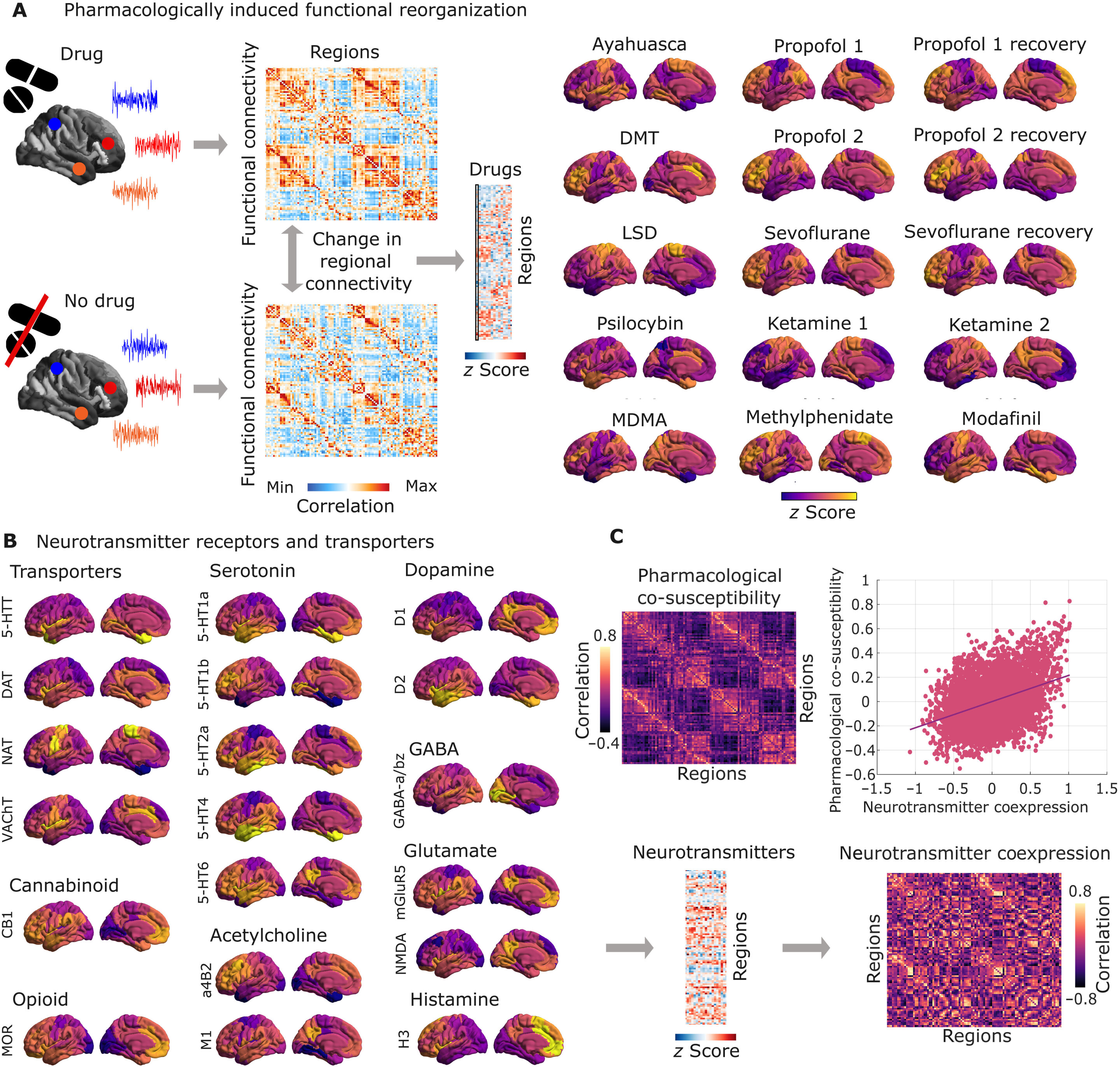
An international team of neuroscientists, anesthesiologists and other medical researchers has learned more about the changes that occur in brain neurotransmitter systems under the influence of psychedelics, anesthetics and cognitive enhancers by studying PET and fMRI scans of brains of people administered such drugs. The study is published in Science Advances.
With as little as 1 percent loss in body weight, a Mediterranean diet appears to slow the signs of accelerated brain aging typical of obesity, according to a new study.
Scientists have uncovered swirling spiral patterns of brain signals on the human cortex. The research indicates that these patterns, observed during both resting and cognitive states, play a crucial role in organizing brain activity and cognitive processing.
New research on why some people have allergies more than others has revealed that changing a specific protein called ETS1 can affect our body’s response to allergies.
Researchers have found compelling molecular evidence suggesting that bipolar disorder and schizophrenia, traditionally viewed as distinct conditions, may have more similarities than previously thought.
Finally this week, new research sheds light on the role of astrocytes, a type of brain cell, in olfactory perception or smell detection.
 inside-the-brain.com