Weekly Neuroscience Update

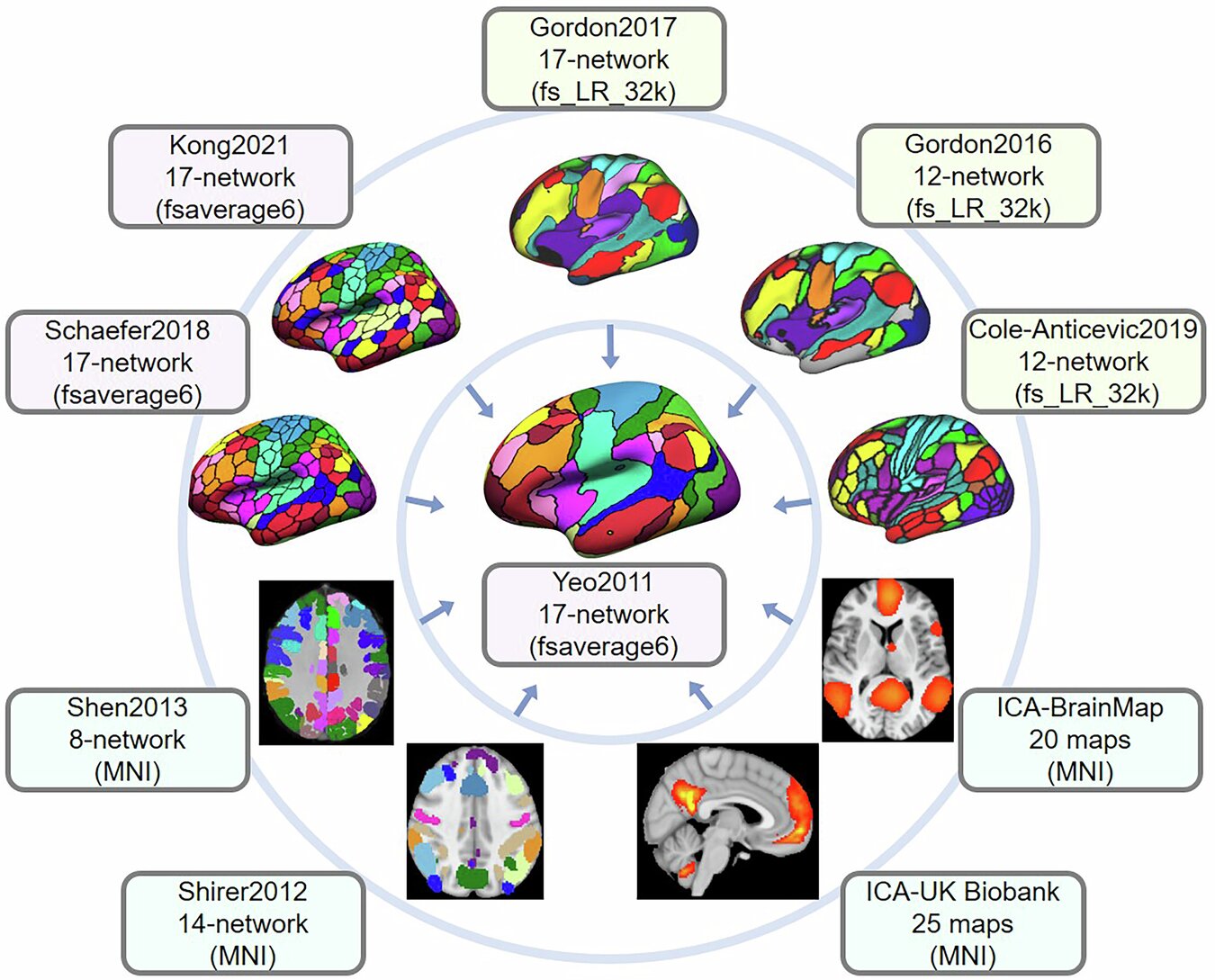
Example atlases included in the Network Correspondence Toolbox (NCT). Credit: Nature Communications (2025)

UCLA Health researchers have helped to develop a new digital toolbox to create a “common language” for brain network studies, potentially accelerating new discoveries and treatments for neurological and psychiatric conditions.

New research published in The Journal of Neuroscience suggests that relieving psychological stress by targeting specific neurons in the brain can lower blood pressure and reduce anxiety.

People who have early signs of heart problems may also have changes in brain health that can be early signs of dementia, such as loss of brain volume, according to a meta-analysis published online in Neurology. The meta-analysis does not prove that early heart problems cause loss of brain cells; it only shows an association.

Scientists have gained greater clarity in the brain regions and neurons that control metabolism, body temperature and energy use. 

A recent study published in Science challenges assumptions about infant memory, showing that young minds do indeed form memories. The question remains, however, why these memories become difficult to retrieve later in life.

The brain’s appetite signalling pathways can be disrupted by consuming non-caloric sweeteners, according to new research.

Analysis of stroke patients from 1971 to 2019 showed college graduates exhibited stronger overall cognitive abilities immediately post-stroke. However, stroke survivors with any higher education saw a more rapid deterioration of executive functions, such as working memory and problem-solving, compared to those with lower levels of education.

New research suggests that psychopaths have a distinct pain experience, which can differ from what their bodies register.

A study published in the journal Scientific Reports suggests that virtual reality (VR) may offer a promising avenue for pain management in cancer patients. By immersing patients in realistic underwater environments using VR headsets, researchers observed a significant reduction in self-reported pain. This subjective improvement was further corroborated by real-time brain imaging, which revealed notable alterations in the neural pathways associated with pain perception.

A new review highlights how unpredictable sensory experiences, beyond traditional stressors like abuse and neglect, can disrupt brain development.

Scientists have uncovered a fundamental principle of how brain cells stay connected, and their discovery could change how we understand Alzheimer’s disease. Published in Cell Reports, this study reveals that neurons—the cells that make up our brain—use simple physics to maintain their connections, and that these processes change in Alzheimer’s patients.

New research shows that the brain’s numerical processing involves both absolute and relative quantity, with relative size processing increasing as information moves from the back to the front of the brain.

A pilot study of a post-stroke population has revealed some potential benefits of transcranial direct current stimulation (tDCS) on attention and fatigue. Study findings are published in Frontiers in Human Neuroscience.

Finally this week, marathon runners experience a temporary decline in brain myelin during races, with levels returning to normal after recovery, according to a study published in Nature Metabolism.

Weekly Neuroscience Update

Credit: Brain Communications (2025)

The parts of the brain that are needed to remember words, and how these are affected by a common form of epilepsy, have been identified by a team of neurologists and neurosurgeons.

New research published in PLOS ONE, reveals that witnessing trauma triggers unique brain changes, distinct from those caused by experiencing trauma firsthand. The study is the first to shed light on the molecular differences between directly acquired PTSD and bystander PTSD and could pave the way for changes in how the disorders are treated.

Scientists have discovered that neural changes in teens may predict how decision-making and behavioural control develop.

A new study shows that the rubber hand illusion can reduce the intensity of pain caused by heat. Researchers found that when participants viewed a rubber hand being illuminated while their hidden hand received a heat stimulus, they reported feeling less pain. This suggests that integrating visual and sensory cues can influence pain perception. The findings may one day help develop new treatments for chronic pain conditions such as complex regional pain syndrome.

Verbal fluency, the ability to recall and use vocabulary, is the strongest cognitive predictor of longevity in a 20-year study of elderly adults. This suggests a link between linguistic ability and overall health.

Neuroscientists have discovered a way to control how much zinc is released to specific locations in the brain. The essential mineral plays a major role in the brain’s function, including improving memory and lessening symptoms of some neurological disorders, but getting the right amount to the right place is key.

According to new research, inflammation inside and outside the brain may contribute to neurological complications in COVID-19.

A study published  in the British Journal of Psychiatry has found that nearly half of people diagnosed with depression don’t respond to multiple antidepressant medications and are considered “treatment-resistant.” The study found that 48% of patients whose electronic health care records reported a diagnosis of depression had tried at least two antidepressants, and 37% had tried four or more different options.

Scientists have developed a computational framework that maps how the brain processes speech during real-world conversations.

For children with autism who severely injure themselves, a pilot study suggests that deep brain stimulation (DBS) of the brain’s reward centre (nucleus accumbens) is a safe and possible treatment that could be beneficial, especially when behavioural therapies don’t work.

New research suggests that factors present in the placenta during pregnancy might play a role in increasing the risk of a child developing schizophrenia.

Scientists at Peking University have used a new method to discover that dopamine helps protect and control the function of a protein called Tau. This finding helps us better understand how dopamine works normally and in diseases of the brain.

A research team has uncovered the neural mechanisms underlying the processing of pain and itch in the anterior cingulate cortex (ACC).

A new study finds that women in their 80s who develop increasing daytime sleepiness over five years are twice as likely to develop dementia. Researchers tracked 733 women without cognitive impairment, using wrist devices to monitor sleep and circadian rhythms. Those who showed stable sleep patterns had the lowest dementia risk, while those with increasing sleepiness faced the highest risk. Surprisingly, declining nighttime sleep was not significantly linked to dementia risk.

A research team has developed an electrode capable of safely encasing nerves without causing damage.

Finally this week, new research shows that even 12-month-old babies can form memories, as indicated by activity in the hippocampus. This challenges the idea that infants can’t remember and suggests that infantile amnesia (not remembering early childhood) might be because we can’t access those memories later, rather than not forming them in the first place.

Weekly Neuroscience Update

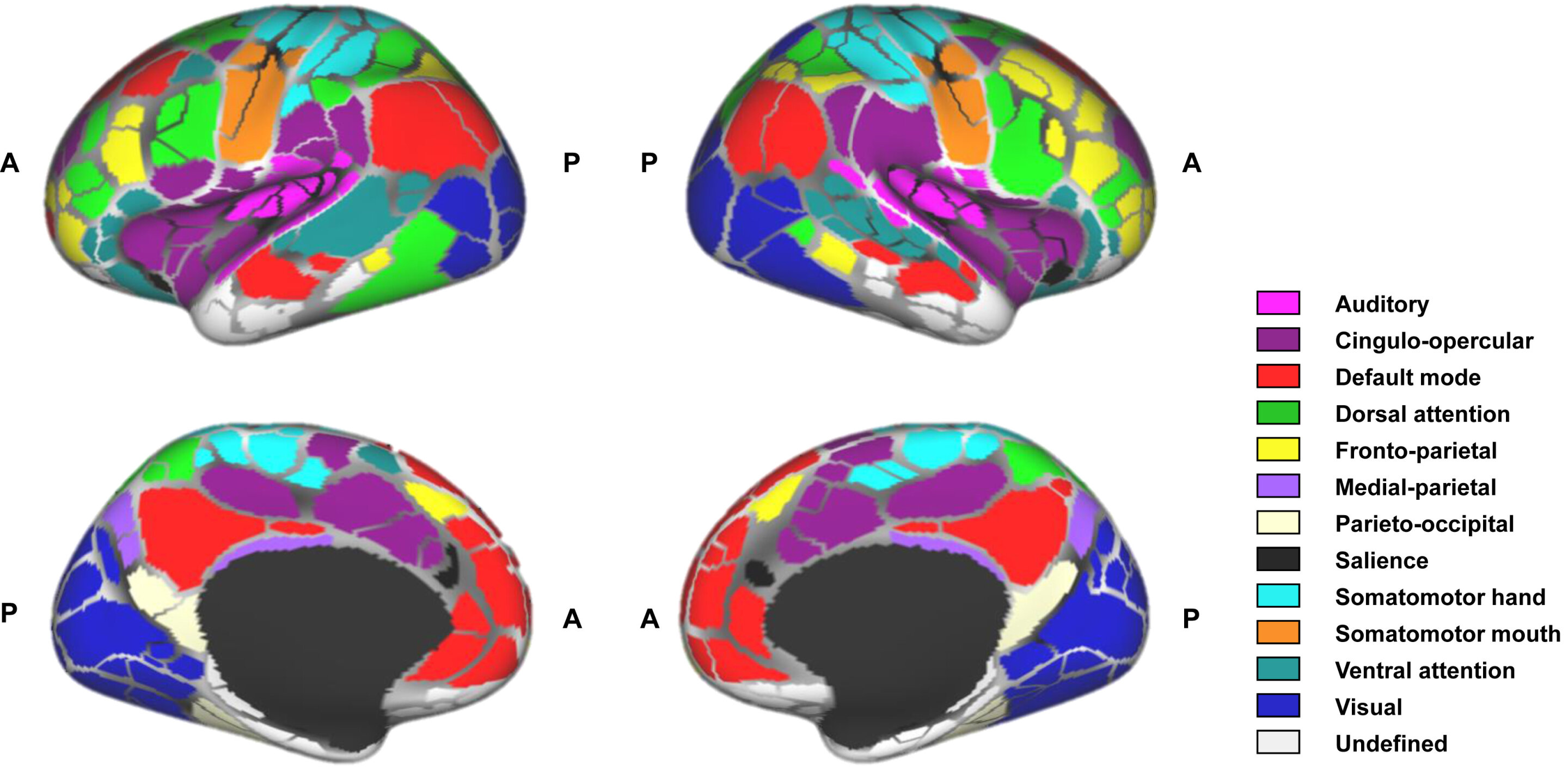
Cortical Resting-State Networks defined by Gordon’s Parcellation. Credit: Journal of the American Academy of Child & Adolescent Psychiatry (2025).

Exposure to high ambient temperatures is associated with lower connectivity in three brain networks in preadolescents, suggesting that heat may impact brain function. 

A new study reveals that consuming high-calorie, highly processed foods for just five days can reduce the brain’s sensitivity to insulin, a key factor in obesity and type 2 diabetes. Researchers found that even in healthy individuals, short-term unhealthy eating altered brain function, mimicking effects seen in people with obesity.

Scientists are exploring the role of gut-brain axis in Parkinson’s, anxiety and long COVID.

New research highlights that optimal brain health is strongly linked to cardiovascular wellness. The study underscores that dementia and cognitive decline share risk factors with heart disease, suggesting these conditions are largely preventable by managing diet, exercise, cholesterol, blood sugar, and blood pressure.

Approximately 40 percent of adults with chronic pain experience depression or anxiety, according to a review published in JAMA Network Open.

A multidisciplinary team of researchers has discovered how lateral inhibition helps our brains process visual information, and it could expand our knowledge of sensory perception, leading to applications in neuro-medicine and artificial intelligence.

Brain changes may remain visible in brain scans after recovery from concussion, a new study shows.

Researchers are using photoacoustic imaging to observe brain activity and, in the process, discovering more about how it responds to different types of learning and experiences. Photoacoustic imaging uses optics and acoustics to generate a signal in biological tissues—in this case, the brain—where the signal provides structural and functional data and allows researchers to track factors such as brain activity. 

A study exploring a new brain imaging technique is bringing stroke experts a step closer to better tailoring rehabilitation.

Scientists have uncovered new insights into how neurofilaments act like Velcro in neurodegenerative diseases, clogging up the brain and preventing normal function, according to a study published in the journal JCI Insight.

Poor sleep could have an impact on brain health, according to a new study from The Australian National University (ANU) published in the journal Sleep Medicine.

Mayo Clinic researchers have found a new way to more precisely detect and monitor brain cell activity during deep brain stimulation, a common treatment for movement disorders such as Parkinson’s disease and tremor. This precision may help doctors adjust electrode placement and stimulation in real time, providing better, more personalized care for patients receiving the surgical procedure.

A new neuroimaging study has revealed that viewing nature can help ease how people experience pain, by reducing the brain activity linked to pain perception.

An international team of scientists has revealed new clues about the neural mechanisms underlying memory formation and recognition in the developing human brain, according to a study published in Science Advances.

Poor sleep among older adults is linked to disruptions in the brain’s “waste removal system,” according to a recent study.

Research published in the Proceedings of the National Academy of Sciences  reveals that brain aging isn’t a steady decline, but rather a series of shifts with key turning points. These transition points follow an S-shaped statistical curve with clear transition points, rather than either the late-life clinical onset or gradual linear decline previously assumed, suggesting there are specific windows when intervention could be most impactful.

Finally this week, new research reveals that our brains simplify complex social interactions by using basic mental “building blocks” or shortcuts.

Weekly Neuroscience Update

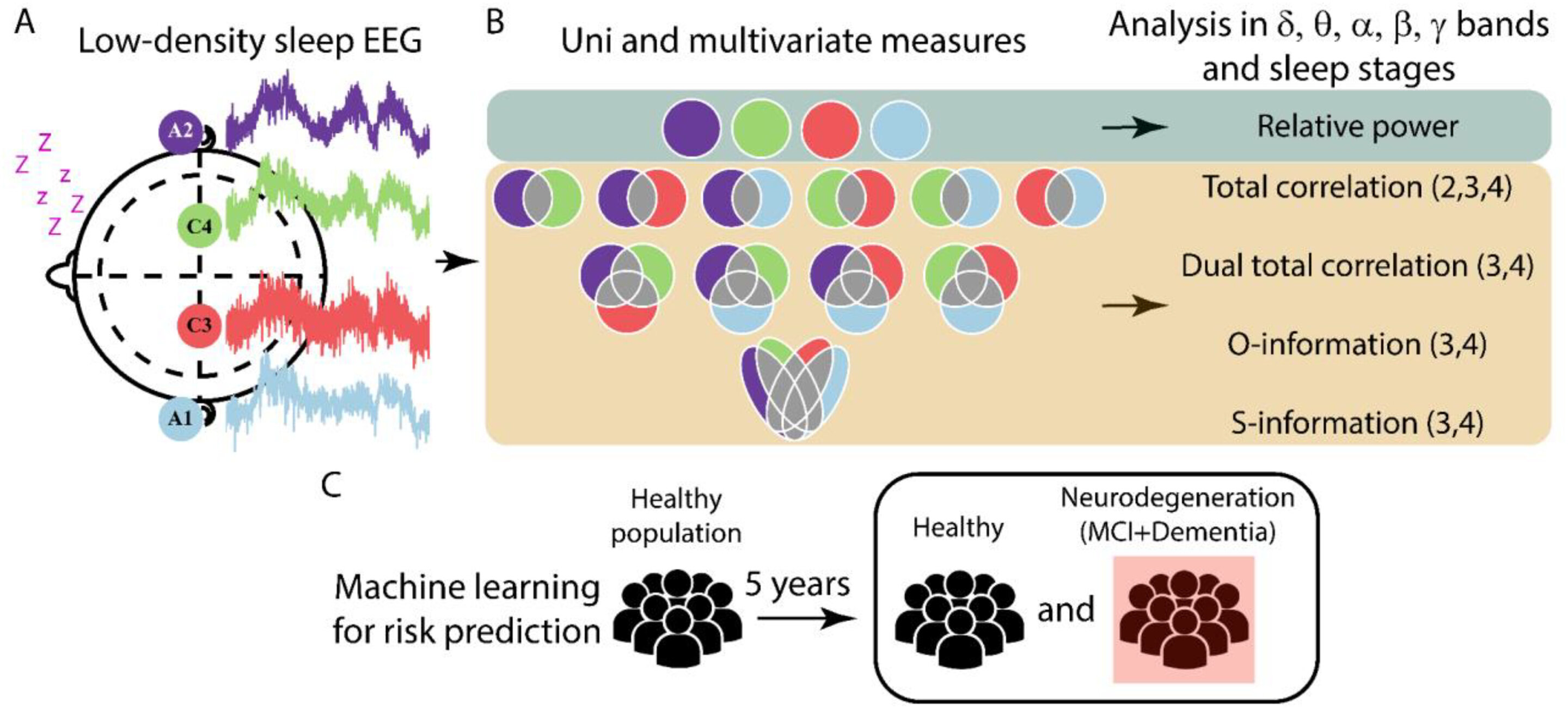
Credit: Journal of Alzheimer’s Disease (2025). DOI: 10.1177/13872877251319742

Researchers have developed an AI tool that analyzes brain wave activity recorded during sleep using electroencephalography (EEG), a non-invasive technique that measures electrical activity in the brain through sensors placed on the scalp.

An encoding study reveals how the brain uses past experiences to predict the unfolding of similar events over time.

A new brain-computer interface (BCI) has enabled a paralyzed man to control a robotic arm by simply imagining movements. Unlike previous BCIs, which lasted only a few days, this AI-enhanced device worked reliably for seven months. The AI model adapts to natural shifts in brain activity, maintaining accuracy over time.

Learning to think more about specific events in the future appears to reduce impulsivity, improve decision-making, and shows potential as a therapy for alcohol use disorder, a recent study has found.

Repeated sessions of electrical stimulation to brain networks associated with memory improved verbal learning in some Alzheimer’s disease patients for up to eight weeks in a preliminary trial led by UT Southwestern Medical Center researchers. The findings, published in The Journal of Prevention of Alzheimer’s Disease, indicate that while future trials are needed, neurostimulation shows early promise as a treatment for Alzheimer’s and other neurodegenerative disorders, such as Lewy body dementia.

Alcohol use leads to earlier brain aging and impaired behavioral flexibility, with those effects detectable even among adults in their 20s and 30s, according to an innovative study.

Researchers at Karolinska Institutet have identified a new mechanism that may improve the treatment of ischemic stroke. The study, published in the Journal of Clinical Investigation, shows that the growth factor PDGF-CC and its receptor PDGFRα play a crucial role in scar formation in the brain after an ischemic stroke.

An abnormal form of the tau protein found to accumulate in the brains of Alzheimer’s disease patients also accumulates in the eyes of patients with the condition, according to a recent study.

Scientists have observed for the first time how neurons in the human brain store memories independent of the context in which they are acquired. Published in Cell Reports, the study confirms that neurons can distinguish objects or people regardless of their context, enabling the formation of higher and more abstract relationships, which constitute the basis of human intelligence.

Higher fish consumption is associated with slower disability progression in multiple sclerosis (MS), according to research published in the Journal of Neurology, Neurosurgery & Psychiatry.

Using sophisticated neuroimaging techniques, researchers have mapped the brain’s activity during natural conversations, revealing how we seamlessly process speech and sound. These insights not only deepen our understanding of human connection but also pave the way for transformative advancements in speech technology and communication tools.

Finally this week, a recent study in Computers in Human Behavior, researchers observed that staying away from smartphones can even change one’s brain chemistry.